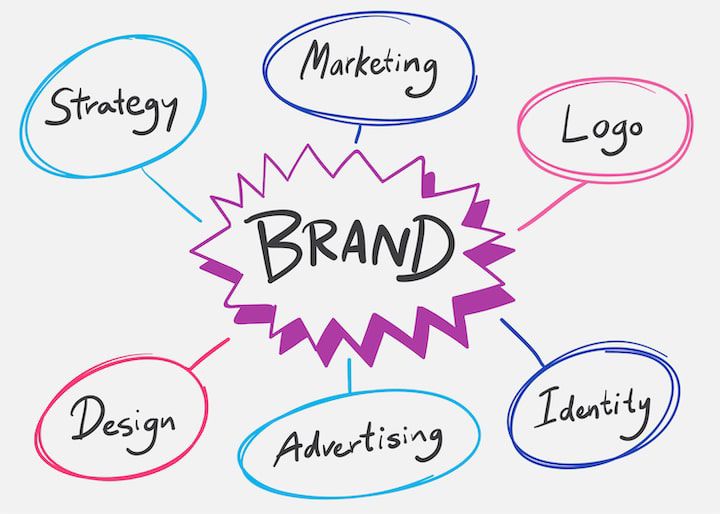
Position your manufacturing brand to attract premium buyers in 2025. Discover proven strategies, market trends, and expert tips to boost leads and close bigger deals.
To position your manufacturing brand for premium buyers is one of the smartest moves you can make this year. Premium buyers are discerning. They pay top rates for quality, reliability, and trust. They do not settle. They choose brands that communicate clear, undeniable value at every touchpoint.
This guide gives you a practical, step-by-step roadmap. Follow it to attract high-value clients, increase leads, and drive sustainable revenue growth in 2025.
Why Premium Buyers Think Differently
Premium buyers are not chasing the lowest price. They are buying certainty, certainty that your product performs, your team delivers, and your brand endures. According to McKinsey's B2B marketing research, premium industrial buyers value supplier reputation almost as much as product specification.
They scan for quality signals before they ever contact your sales team. Your brand must speak loudly and clearly before you enter any room. Premium buyers also prioritize value over cost. They look beyond pricing and focus on long-term benefits.
Key Expectations
- Consistent product quality
- Strong brand reputation
- Transparent processes
- Reliable delivery timelines
Premium buyers do not negotiate your value down; they reward you for proving it upfront."
7 Proven Strategies to Position Your Manufacturing Brand
1. Lead With Outcomes, Not Features
Stop listing machine specs and start communicating business results. Show buyers what their operation looks like after they work with you. Quantify efficiency gains, cost savings, and downtime reduction.
2. Build a Premium Visual Identity
Your website, catalog, and packaging are your brand's handshake. Outdated visuals scream "commodity." Invest in clean, professional design that mirrors the quality of your output. Visit www.thisisbusiness360.com for branding guidance tailored to manufacturers.
3. Leverage Thought Leadership Content
Publish technical articles, white papers, and case studies regularly. Share industry market trends your buyers care about. Buyers trust brands that educate them, not just sell to them.
PRO TIPS: CONTENT THAT CONVERTS
- Publish one expert article per month to provide updates that your audience values.
- Use LinkedIn to distribute insights directly to procurement decision-makers.
- Link your content to a clear lead-capture page on your site.
4. Certify and Showcase Compliance
ISO certifications, industry standards, and quality audits are not just compliance exercises. They are trust badges. Display them prominently on every touchpoint of your website, proposals, and trade show materials.
5. Price With Confidence
Discounting signals desperation to premium buyers. Instead, anchor your price with a compelling value narrative. Break down what your buyer is actually getting in return. According to Harvard Business Review's pricing strategy guides, value-based pricing consistently outperforms cost-plus pricing in B2B markets.
6. Curate Social Proof Strategically
Use client success stories, project snapshots, and measurable results. Focus on industries and buyer types that match your ideal client profile. Specificity builds credibility far better than generic praise.
7. Align Your Sales Team With Your Brand Promise
Your sales conversations must mirror your brand positioning. Train your team to lead with value language, not discount language. Every interaction either reinforces or erodes your premium positioning.
Manufacturing Market Trends Shaping Premium Buyer Behavior in 2025
Staying ahead requires you to track current market trends closely. In 2025, several forces are reshaping buyer expectations in the sector:
Sustainability demands are rising. Premium buyers increasingly favor suppliers with documented ESG (Environmental, Social, Governance) commitments. Explore the latest guidance from ISO 14001 Environmental Standards to align your brand.
Digital procurement is accelerating. Buyers are researching, shortlisting, and even onboarding suppliers entirely online. Your digital brand presence is now your most powerful sales tool.
Supply chain resilience is a premium. Buyers are willing to pay more for reliable, local, or certified-resilient supply chains. If your operation is built for reliability, shout it from the rooftops.
Read our internal guide: How to Build a Resilient Supply Chain Brand Strategy for deeper insights.
Internal Alignment: The Hidden Key to Brand Positioning
Your brand promise cannot live only in your marketing materials. Every department, from production to customer service, must deliver the same premium experience your brand advertises. Consistency is the foundation of trust. Trust is the currency of premium positioning.
Conduct an internal brand audit. Ask: Does every customer interaction reflect our brand promise? If not, fix the gap before investing in external marketing.
The gap between your brand promise and your customer experience is where premium buyers walk away.
Frequently Asked Questions
What does it mean to position your manufacturing brand for premium buyers?
It means communicating your unique value so clearly and consistently that high-value buyers choose you over cheaper alternatives, without hesitation or heavy negotiation.
How long does brand repositioning take in manufacturing?
Most businesses begin to see measurable shifts in buyer perception within 6–12 months of consistent, strategic brand-positioning efforts. How can I attract high-paying clients?
Focus on quality, branding, and value-based pricing instead of competing on cost.
Why is brand positioning important?
It differentiates your business and increases perceived value in competitive markets.
How do market trends affect positioning?
They help align your brand with current buyer expectations and future demand.
What market trends should manufacturers track in 2025?
Key trends include ESG and sustainability demands, growth in digital procurement, supply chain resilience, and the rising influence of thought leadership content in B2B decision-making.
Can small manufacturers compete for premium buyers?
Absolutely. Premium buyers buy trust, quality, and expertise, not company size. A well-positioned small manufacturer consistently wins over a larger, poorly branded competitor.
Where can I get expert help with manufacturing brand strategy?
Visit www.thisisbusiness360.com or call +234 806 496 8725 to speak with a brand strategy specialist today.
Ready to Attract Premium Buyers This Year?
Stop competing on price. Start winning on value. Our team at Business360 helps manufacturers build powerful, premium-positioned brands that attract the right buyers and close bigger deals.
Call us: +234 806 496 8725 | Let's build your premium brand today.