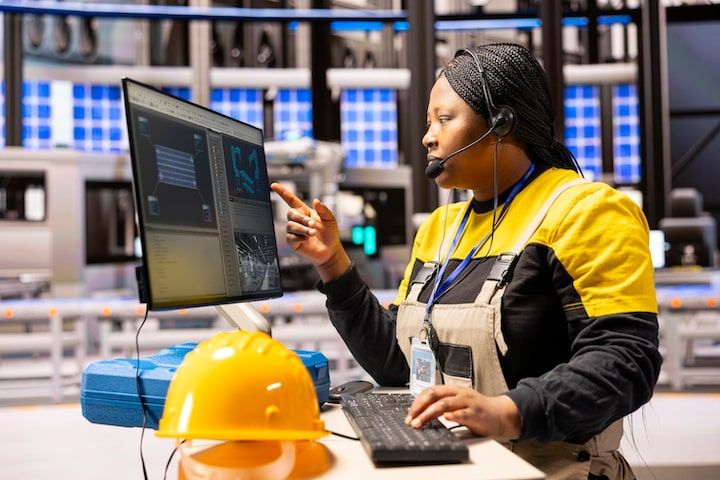
Discover why digital transformation is no longer optional for the manufacturing economy. Learn how smart tech drives 2026 factory efficiency.
Global factory systems face a critical turning point this year. In the modern manufacturing economy, legacy machinery alone cannot sustain corporate survival. Rapidly rising operational expenses, supply chain gaps, and volatile input costs push factories to their absolute limits. Staying competitive requires immediate systemic changes.
Investing in smart manufacturing systems is your fastest route to a 30% surge in factory floor output. Upgrading your industrial infrastructure protects your bottom line against market shocks.
Recent global industrial updates reveal a clear trend across processing hubs. Modern factories no longer rely on manual tracking or gut feeling. Instead, they use data analytics and automated workflows to outpace competitors in the market.
Why Legacy Production Fails the Modern Market
Traditional production methods struggle to meet modern consumer demands, and relying on disconnected hardware creates massive structural blind spots. Old systems break unexpectedly, causing costly factory downtime that eats into profit margins. Furthermore, separate industrial units cannot share key operational data smoothly, resulting in significant material waste during production runs.
According to Investopedia's foundational definitions, manufacturing relies on mechanical or chemical transformation to add real value. Without deep digital integration, your transformation processes remain slow, expensive, and rigid.
The Strategic Shift: Core Pillars of Modern Industrial Success
True digital change requires more than just buying new software. It demands a fully connected industrial ecosystem where data guides every floor decision. A comprehensive analysis by ScienceDirect shows that the entire social and economic impact of the manufacturing sector changes when automation scales up.
Real modernization relies on three core technological pillars. First, the Industrial Internet of Things (IIoT) uses smart floor sensors to stream live machinery data directly to managers. Second, advanced machine learning tools forecast parts wear before systems fail. Finally, integrated management platforms connect raw supply logs to customer delivery.
Recent operational data benchmarks show how urgent this shift has become. In fact, research from PwC's 2026 Digital Trends in Operations Survey reveals that 87% of operations leaders say poor data hygiene directly hampers their progress toward achieving value.
Additionally, market analytics from Mordor Intelligence show that Industrial IoT platforms now control a dominant 34.4% share of the manufacturing technology market. Implementing these connected systems prevents costly operational surprises. To discover deeper integration blueprints, browse our comprehensive industrial scaling guides.
Overcoming Global and Regional Market Inefficiencies
Industrial operators worldwide encounter intense macroeconomic pressures. For instance, the influential roadmap published by KPMG Nigeria highlights how infrastructure gaps directly stall local industrial growth. Factories must deploy smart technology to survive these volatile conditions.
Digital platforms offer immediate fixes for these regional hurdles. Automation lowers production costs and helps optimize the use of limited energy resources. Research from MDPI confirms that green, tech-driven practices directly improve long-term financial performance.
Concrete Benefits of Smart Factory Integration
Transitioning to automated systems delivers measurable improvements across your whole organization. Optimized schedules increase weekly factory yield without extra labor, and automated tracking flags hazardous machine overloads before accidents occur. This streamlined approach to warehouse logistics significantly lowers inventory holding costs.
The corporate strategy experts at Revind AI point out that visibility remains the biggest win in digital transformation. Seeing every step of your factory-floor workflow eliminates costly operational guesswork.
As noted by Kikonic Tech, updating your technology stack is a mandatory business strategy for long-term relevance. Delaying this transition leaves your business vulnerable to agile, tech-forward competitors. Learn how to optimize your production lines today via our operational transformation hub.
Frequently Asked Questions
What is the primary driver of the modern manufacturing economy? Data connectivity drives modern factory success. Real-time insights allow plants to adapt instantly to fluctuating market demands.
How much does factory digital transformation cost? Initial setup costs vary based on plant scale. However, smart automation tools typically pay for themselves within twelve months through reduced waste.
Can small manufacturing businesses adopt smart automation? Yes. Smaller operators can scale up incrementally by adding modular cloud analytics to their existing physical machinery.
Take Charge of Your Production Future
Do not let outdated legacy processes drain your corporate profits. Partner with our team to upgrade your industrial workflows and maximize your factory output today.
- Call Us: +234 806 496 8725
- Visit Our Website:www.thisisbusiness360.com