

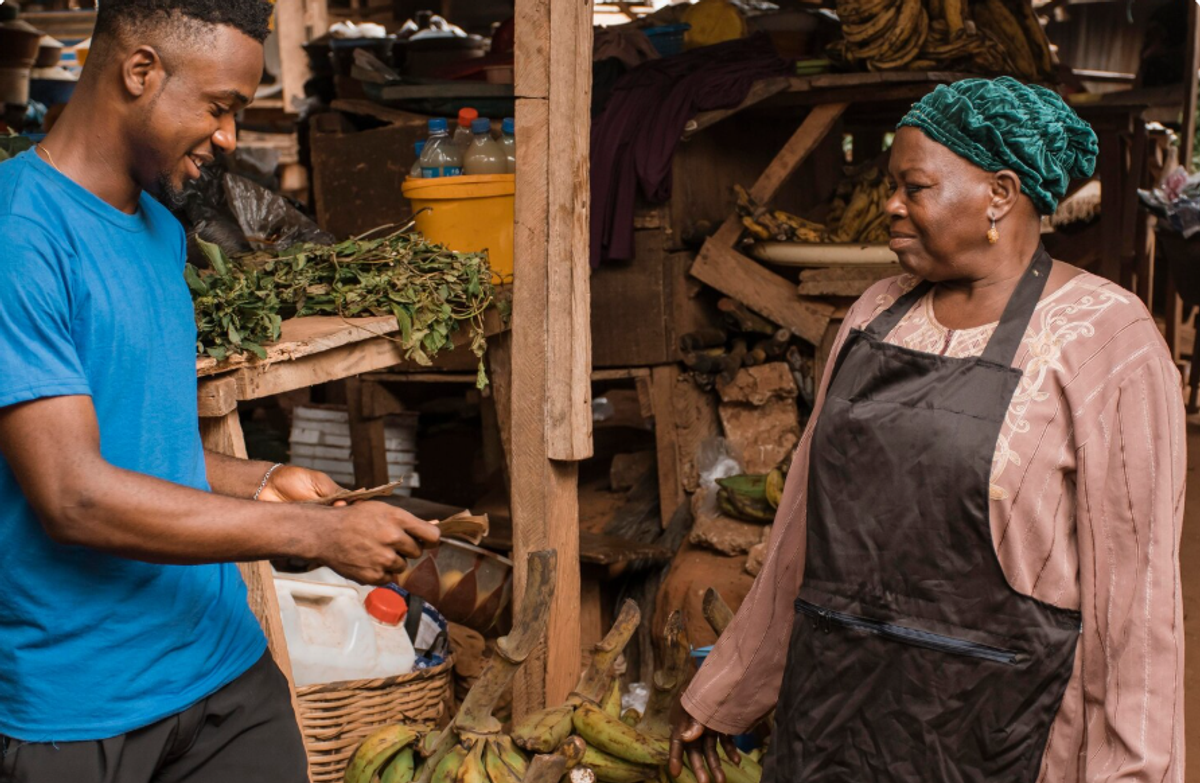
Discover how Africa’s informal markets drive 80% of employment and act as the continent’s economic bedrock in 2026. Learn practical strategies for "phygital" business models, mobile payment integration, and localized consumer behavior to scale your market reach by 25%.
The scent of roasted corn fills the air. You hear the rhythmic call of street hawkers in the heat. Colorful stalls line every busy road in Lagos and Nairobi. These sights and sounds are not just chaos. They represent the lifeblood of a continent. In 2026, understanding this space is vital for every entrepreneur. You can unlock a 25% increase in your market reach this year. We must look at the “hidden” hustle to see the true picture. These systems are the foundation of the modern African economy.
The Massive Scale of the “Hidden” Market
Most people think of big skyscrapers when they talk about business. However, the real action happens on the street corners. Millions of Africans earn their living through small, unregistered trades. This sector is much larger than many realize.
According to the International Labor Organization, over 80% of total employment in Africa is informal. These workers are the backbone of daily life. They provide food, clothing, and essential services to the masses. Without them, the formal systems would likely collapse overnight. They keep money moving in every neighborhood.
Why Informal Markets are the Bedrock of Stability
These markets are incredibly resilient to global shocks. When big chains close their doors, the local trader remains open. They understand the immediate needs of their community. This localized knowledge is a powerful tool for survival.
The African Development Bank notes that the informal sector contributes significantly to GDP. It acts as a safety net for those without formal jobs. It fosters innovation at the grassroots level. This constant activity creates a steady flow within the regional economy. It is a system built on trust and personal relationships.
Adapting to Current Market Trends
Technology is starting to blend with traditional trade. Many stall owners now use mobile phones to take orders. They use WhatsApp to coordinate with suppliers and customers. This digital shift is changing how these markets operate in 2026.
Current market trends show a rise in “phygital” business models. This means combining physical stalls with digital tools. To stay ahead, you must understand Consumer Behavior in these busy hubs. People want convenience and familiar faces. Brands that master this balance will win the decade.
Bridging the Gap: From Street to Screen
The line between formal and informal is blurring fast. Governments are looking for ways to bring more traders into the tax net. At the same time, traders want the benefits of formal banking. This transition is a major focus for policymakers this year.
The World Bank highlights the need for better infrastructure in these areas. Better roads and storage can reduce waste for small vendors. This improvement helps the entire economy grow more efficiently. It allows the smallest trader to dream of scaling up. We see this growth reflected in the rise of e-commerce across the continent.
Practical Solutions for Entrepreneurs
To succeed in this space, you must act with empathy and precision. Here are four tips to help you navigate:
- Respect Local Dynamics: Learn the unwritten rules of the market.
- Build Direct Relationships: Trust is more important than a formal contract here.
- Use Mobile Payments: Make it easy for people to pay you on the go.
- Offer Smaller Sizes: Many customers prefer daily “sachet” portions over bulk buys.
These steps ensure your brand remains relevant to the average buyer. You are building a business that fits into their daily reality. Our Digital Advertising strategies help you reach these high-traffic zones. You can learn more by checking our latest reports.
The Role of Informal Trade in Food Security
Most people buy their fresh food from local markets. These vendors are the primary link between farmers and families. They ensure that cities are fed every single day. This role is vital for social stability and peace.
The United Nations ECA emphasizes the importance of cross-border informal trade. It allows goods to move where they are needed most. This trade creates jobs for women and youth in rural areas. It is a powerful engine for poverty reduction. We must update our logistics to support these vital routes.
Frequently Asked Questions
Why are Informal Markets so important in Africa? They provide the majority of jobs and essential goods. They are flexible and deeply rooted in local communities.
How is technology changing these markets? Mobile money and social media are speeding up trade. Vendors can now reach more people without moving their stalls.
What is the biggest challenge for informal traders? Lack of access to formal credit and poor infrastructure are major hurdles. Many also face harassment due to their unregistered status.
Take Action Today
The hustle of the street is the future of our growth. Are you ready to engage with the real engine of the continent? Don’t miss out on the biggest opportunities of 2026.
Call us today: +234 806 496 8725
Visit our website for more insights: www.thisisbusiness360.com
Let us help you build a strategy that works in the real world. Your journey to market mastery starts with one smart step.