

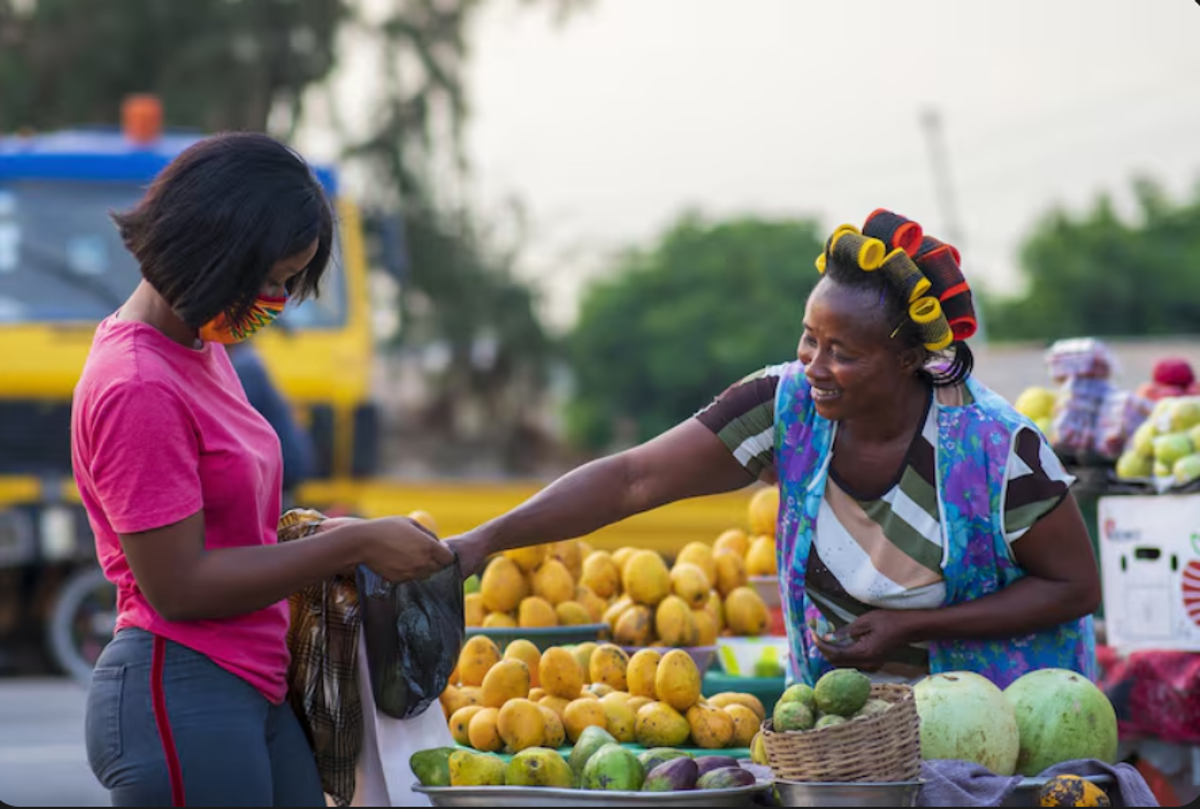
Explore the role of SMEs in the African Economy and Market Expansion with practical tips, market trends, and business strategies.
Small and medium enterprises (SMEs) are shaping the African Economy and Market Expansion with vibrant energy, innovation, and resilience in 2026. This informational article explains how these businesses drive growth, expand markets, and create opportunities for communities.
From Lagos to Nairobi, SMEs are at the heart of commerce. They generate jobs, increase local incomes, and boost trade. According to the African Development Bank, the continent's real GDP growth is projected to stabilize at 4.3% in 2026, largely supported by the private sector's vitality. Understanding this impact can help policymakers, investors, and entrepreneurs unlock greater economic value.
Why SMEs Matter in Africa
SMEs contribute significantly to employment in Africa. Many individuals depend on small businesses for daily income and long-term advancement. In many regions, they account for over 90% of all businesses and employ more than 60% of the population, as noted in recent SADC development strategies.
The dynamism of SMEs fosters competition and innovation. New products and services emerge rapidly to respond to consumer needs across diverse markets. Supporting SME growth can reduce poverty and increase local demand. Greater demand expands business cycles and strengthens overall economic activity.
SMEs and Market Trends Driving Expansion
Market trends show that SMEs are embracing digital tools more than ever. Online platforms help small businesses reach customers beyond local limits.
- E-commerce Growth: Marketplaces allow SMEs to sell products nationwide. This expands revenue opportunities and diversifies income sources.
- Financial Inclusion: Adoption of mobile payment systems has increased. Digital wallets and payment apps help owners collect payments easily. The GSMA Mobile Economy 2026 report highlights how mobile technology remains the backbone of this digital shift.
For more insights on digital adoption in African markets, visit our Business360 Insights Hub. The growth of logistics services also supports SMEs. Efficient delivery networks reduce costs and improve customer satisfaction.
How SMEs Fuel the African Economy
SMEs create value at multiple levels. They offer products and services that meet local needs. This improves living standards in many communities. Local production by SMEs reduces reliance on imports. This strengthens domestic industries and keeps revenue within local markets.
Investment in SMEs often leads to more job creation than investment in large corporations. More jobs mean increased spending and broader market demand. To explore business support programs, check resources from the International Finance Corporation (IFC), which continues to scale funding for African entrepreneurs. Additionally, the UN Economic Commission for Africa provides frameworks for leveraging frontier technologies to boost SME productivity.
Practical Tips for SME Success in 2026
Embrace Digital Marketing: Build an online presence to reach a wider audience.
Use Affordable Tools: Cloud-based software can efficiently manage customer and financial data.
Build Partnerships: Collaborate with other SMEs to reduce logistics and supply costs.
Focus on Customer Service: Personalized care turns one-time guests into repeat buyers.
Leveraging these steps can help small businesses increase revenue and attract loyal customers. As SMEs grow, they contribute even more to the African Economy and Market Expansion.
Challenges and Solutions for SMEs
Many SMEs face hurdles such as limited access to capital. Microloans and peer-to-peer funding are helping bridge this gap. Infrastructure challenges can also slow distribution. Collaborative delivery models and community networks can offset cost burdens.
Skill gaps often hinder performance. SMEs can invest in affordable training and online courses to upskill employees. Governments and private investors can support this by improving the business environment. Simplified policies under the AfCFTA framework are currently working to make cross-border trade easier for smaller firms.
Frequently Asked Questions (FAQs)
How do SMEs impact job creation in Africa?
SMEs drive the majority of employment, especially in informal and rural markets.
Can SMEs expand beyond local markets?
Yes. With digital tools and logistics partnerships, SMEs can reach national and global audiences.
What resources support SME development?
Business hubs, mentorship programs, and international grants from bodies like the IFC.
Why are SMEs crucial for market expansion?
They increase competition, introduce new products, and stimulate consumer spending.
Take Action and Grow Your Business
SMEs are reshaping the African economic landscape in 2026. Their potential to spur the African Economy and Market Expansion is enormous.
Call: +234 806 496 8725
Visit: www.thisisbusiness360.com
Unlock expert insights and strategies to grow your SME and thrive in a dynamic market environment.