

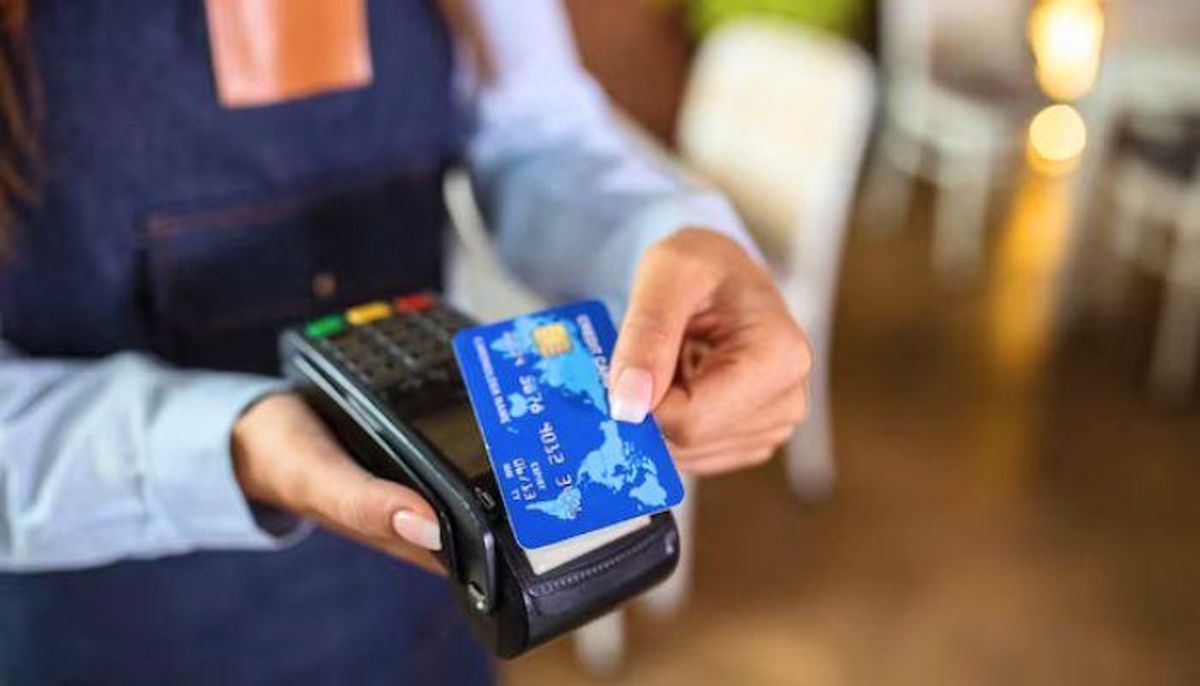
Explore the future of contactless payments in Africa and discover what businesses need to know about NFC payments, cashless transactions, and digital adoption.
Contactless payments are no longer a distant concept reserved for developed economies. Across Africa, the shift toward NFC payments and cashless transactions is accelerating faster than most business owners realize, reshaping how customers expect to pay and how businesses need to operate. From Lagos to Nairobi, Accra to Johannesburg, digital payment infrastructure is expanding at a pace that is creating enormous opportunity for businesses willing to adapt early. Understanding where this technology is headed and how to position your business to benefit from it is one of the smartest moves any entrepreneur can make right now.
Why Contactless Payments Are Taking Off Across Africa
Africa's payment landscape has always been shaped by innovation born out of necessity. The continent pioneered mobile money long before the rest of the world caught up, and that same spirit of practical innovation is now driving the rapid adoption of contactless payment technology across urban and peri-urban markets. According to GSMA Intelligence's mobile economy report, mobile money accounts in Sub-Saharan Africa have surpassed half a billion registered users, creating a foundation of digital finance literacy that makes the leap to NFC and contactless payments far more accessible.
This acceleration was further driven by the global push toward hygiene-conscious payment methods, which fundamentally changed consumer preferences in ways that have proven permanent. Mastercard's research on contactless payment adoption found that once consumers switch to contactless payments, the overwhelming majority prefer to continue using them for everyday transactions.
This behavioral shift is now deeply embedded in consumer expectations, meaning businesses that still rely entirely on cash or swipe-only terminals are increasingly seen as inconvenient by a growing segment of their customer base.
The Technology Driving the Shift: NFC Payments Explained
NFC, which stands for Near Field Communication, is the technology that powers most modern contactless payments. It allows a customer's smartphone, smartwatch, or contactless card to communicate with a payment terminal simply by being held close, completing a secure transaction in under a second.
Visa's NFC payment technology overview explains that NFC transactions use encrypted tokenization, meaning the customer's actual card details are never transmitted during the payment, making them significantly more secure than traditional magnetic stripe transactions that can be cloned or skimmed.
For African businesses, the practical appeal of NFC payments extends well beyond security. Speed at the point of sale improves customer throughput, reduces queues, and creates a smoother overall shopping experience that customers notice and appreciate.
As smartphone penetration continues to rise across the continent, the device that most customers already carry in their pocket becomes the payment terminal, removing the need for physical cards entirely and making cashless transactions available to a wider population than ever before.
Key Market Trends Shaping Cashless Transactions in Africa
Paying close attention to market trends reveals that the cashless transition in Africa is being driven by a powerful combination of regulatory support, fintech innovation, and shifting consumer behavior, creating ideal conditions for widespread adoption. Several developments are particularly significant for business owners to monitor closely.
- Central banks across multiple African countries are actively promoting cashless payment infrastructure. The Central Bank of Nigeria's cashless policy is one of the most prominent examples, incentivizing digital transactions and applying charges to large cash withdrawals to encourage migration toward electronic payment systems.
- African fintech companies are building localized contactless payment solutions tailored to the continent’s infrastructure realities, including low-bandwidth environments and feature-phone compatibility that extends reach beyond smartphone users.
- Interswitch's payment infrastructure across Nigeria and other African markets is actively expanding contactless-capable terminal networks, making acceptance infrastructure more accessible for small and medium businesses.
- QR code payments are emerging as a complementary technology to NFC, particularly for businesses that cannot yet afford NFC-enabled terminals, since QR payments require only a smartphone camera to accept and process transactions instantly.
- Flutterwave's business payment solutions are enabling thousands of African merchants to accept digital payments across multiple channels, including in-person contactless options that integrate seamlessly with existing business management systems.
How Your Business Can Prepare for the Contactless Future
Adopting contactless payment capabilities does not require a complete overhaul of your current business operations. The transition can be phased and practical, starting with the steps that deliver the most immediate value to your customers and revenue.
- Contact your bank or payment processor about upgrading to an NFC-enabled point-of-sale terminal, since most major financial institutions across Africa now offer affordable options for businesses of all sizes.
- Train your team on how to assist customers with contactless payments confidently, because a smooth and knowledgeable in-store experience reinforces customer confidence in your brand's modernity and professionalism.
- Add a QR code payment option as an accessible bridge solution for customers who prefer mobile payment apps but whose devices may not yet support NFC technology natively.
- Display clear signage at your point of sale showing which payment methods you accept, since Visa's merchant acceptance research confirms that visible payment options reduce checkout hesitation and increase completed transactions.
Frequently Asked Questions
What are contactless payments and how do they work?
Contactless payments use NFC technology to allow customers to pay by holding their card, smartphone, or wearable device near a compatible payment terminal. The transaction is completed wirelessly in under a second using encrypted tokenization, which protects the customer's financial information throughout the process. No PIN entry is required for smaller transactions, making the experience significantly faster than traditional payment methods.
Are NFC payments safe for businesses and customers in Africa?
NFC payments are among the most secure payment methods currently available. Each transaction generates a unique encrypted token that cannot be reused or replicated, making interception by fraudsters effectively useless. Visa's security framework for contactless transactions confirms that tokenization means actual card data is never exposed during a contactless payment, providing a higher level of security than traditional swipe transactions that transmit raw card information.
How can small businesses in Africa start accepting contactless payments?
Start by speaking with your bank or a reputable payment processor about NFC-enabled terminal options suited to your transaction volume and budget. Alternatively, explore QR code payment solutions through platforms like Flutterwave or your mobile banking provider, since these require minimal hardware investment. Many solutions offer competitive transaction fees and rapid setup, making the transition to cashless transactions achievable for businesses at every stage of growth.
Will cash become completely obsolete in Africa?
While a fully cashless Africa remains a long-term projection rather than an immediate reality, the direction of travel is clear and consistent. Cash usage is declining as digital payment infrastructure expands, consumer preferences shift, and regulatory frameworks increasingly favor electronic transactions. Businesses that begin integrating contactless and digital payment capabilities now will be far better positioned to serve the majority of their customers as this transition continues to accelerate over the coming years.
Position Your Business for the Cashless Economy Today
The shift toward contactless payments and cashless transactions across Africa is not a future possibility. It is a present reality that is reshaping customer expectations and competitive dynamics across every industry right now. Businesses that proactively embrace this transition will enjoy faster checkout experiences, reduced cash-handling risks, broader customer reach, and a brand perception that reflects modernity and professionalism. Waiting until adoption becomes unavoidable means playing catch-up in a market that is already moving forward without you.
Take the first step toward a payment-ready business today.
Call +234 806 496 8725