

Credit Scores explained: learn how your credit history shapes loan approvals, and get practical steps to build a stronger profile today.
A single three-digit number can decide whether your loan is approved, how much interest you pay, and even how quickly a supplier trusts your business. Credit Scores quietly follow you into every borrowing decision, yet most people only discover theirs after a rejection letter lands. Understanding how your score is built is the fastest way to take control of it.
What Credit Scores Actually Measure
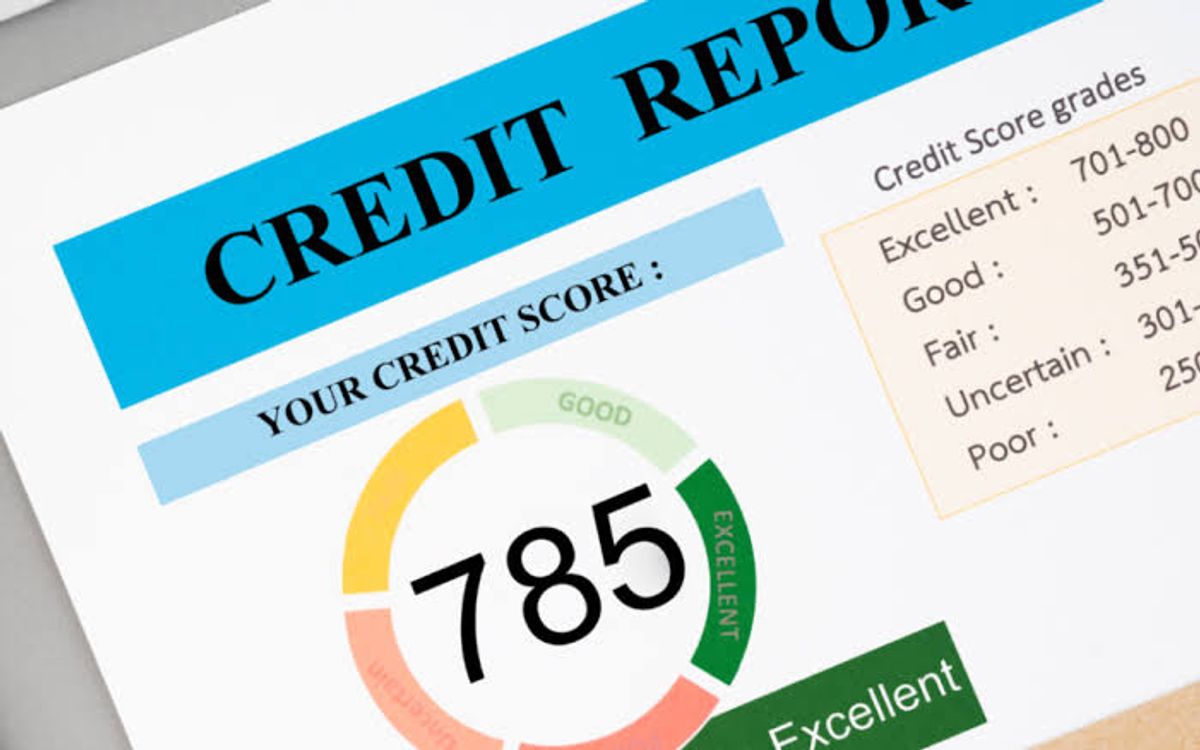
A credit score is a summary of how risky you look to a lender, based on your borrowing and repayment record. In Nigeria, bureaus such as CRC use a 3-digit score ranging from 300 to 850 to summarize that risk. The higher the number, the more confident lenders feel about approving you and offering better rates.
The Five Factors Behind Your Number
Scoring models differ between countries and bureaus, but the widely used FICO model offers a helpful benchmark. It groups your data into five categories: payment history at 35%, amounts owed at 30%, length of credit history at 15%, new credit at 10%, and credit mix at 10%. Notice how heavily the first two dominate. Paying on time and keeping balances manageable will move your score more than almost anything else.
Credit utilization, meaning how much of your available credit you are actually using, sits inside that second category. Experian advises that for the strongest results, you should keep usage on each revolving account under 10%, since heavy usage can signal financial strain to lenders.
Why Nigerian Borrowers Should Pay Closer Attention
Credit reporting is still maturing across the continent. World Bank data shows private credit bureau coverage in Nigeria stood at just 7.8% of adults in 2017, which means many borrowers have thin or invisible files. A thin file makes it harder for lenders to trust you, even when your habits are good.
How to Check Your Credit Report for Free
Many people do not realize they are entitled to look. Under CBN rules, you can get one free credit report every year, while more detailed reports cost between N450 and N1,500, depending on the package. Request yours before applying for any loan so you can spot errors, old debts, or accounts you do not recognize.
Practical Steps to Build a Stronger Credit Profile
Small, consistent habits make the biggest difference:
- Pay every loan, card, and bill on or before the due date, and set reminders or automatic payments
- Keep your balances low compared with your available limits
- Avoid applying for several loans in a short period, since repeated applications can signal risk
- Keep older accounts in good standing to build a longer history
- Separate personal and business finances so lenders can read your record clearly
- Track industry and market trends in lending so you know when rates and requirements shift
Turning Good Habits Into Real Savings
Here is the outcome worth chasing: borrowers who build a clean repayment record typically qualify faster and secure lower interest rates, and even a small drop in rate adds up to meaningful savings over the life of a loan. For ongoing coverage and practical guides on credit and lending, www.thisisbusiness360.com will provide updates on industry and market trends shaping access to finance.
Frequently Asked Questions
What is a good credit score? On a 300 to 850 scale, higher is better. Scores in the upper ranges generally unlock the best rates and fastest approvals.
How often should I check my credit report? At least once a year, and always before applying for a major loan, so you can correct errors early.
Does checking my own score lower it? Reviewing your own report is generally treated differently from a lender's application inquiry, so it should not be a reason to avoid checking.
How long does it take to improve a credit score? It depends on your starting point, but consistent on-time payments and lower balances usually show results within several months.
Take Control of Your Credit Today
Credit Scores reward planning, patience, and consistency. The sooner you understand what shapes yours, the sooner you can negotiate from a position of strength.
Call +234 806 496 8725 or visit www.thisisbusiness360.com today for more practical guidance on building a stronger financial profile.