

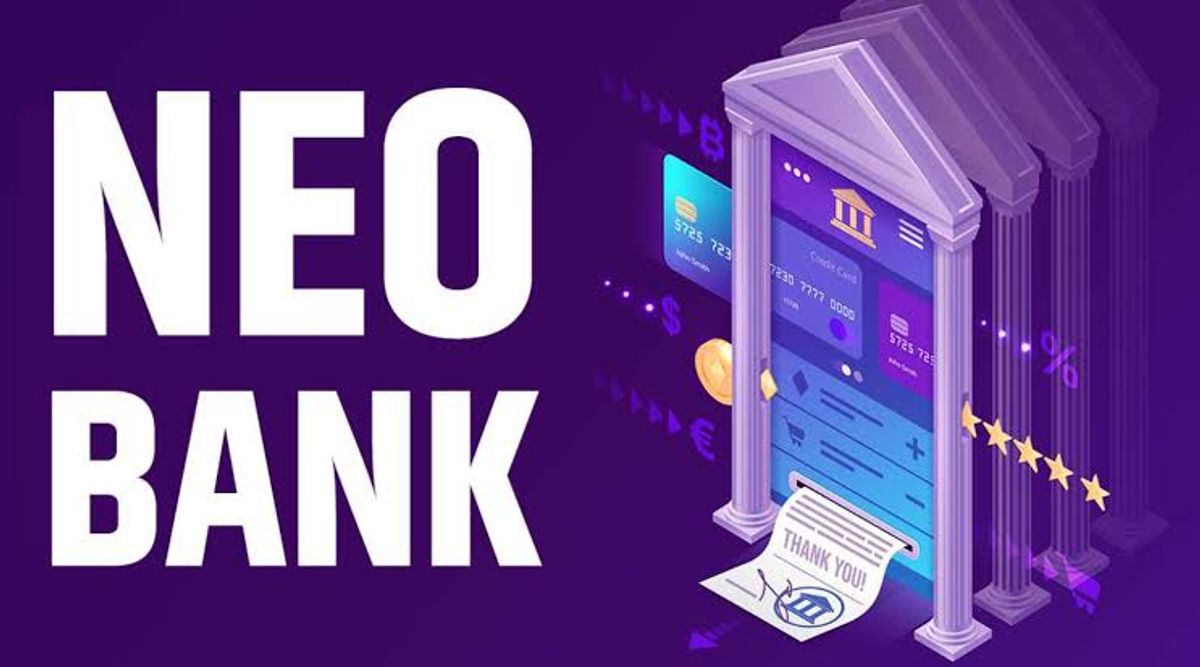
Digital Banks Africa and Neobanks Africa are transforming SME banking. Discover how African entrepreneurs manage money smarter, faster, and cheaper right now.
Digital Banks Africa are changing how African entrepreneurs think about money management in ways that would have seemed ambitious even five years ago. Neobanks, which are fully digital financial institutions operating without physical branch networks, are removing the friction, cost, and exclusion that characterized traditional SME banking across the continent and replacing it with mobile-first accounts, real-time transaction visibility, and integrated financial tools that serve small business owners in their actual operating environments rather than requiring them to adapt to infrastructure designed for a different commercial era.
For African entrepreneurs who have historically navigated banking relationships built around documentation requirements they cannot meet, minimum balance requirements they cannot maintain, and branch networks that do not extend to where they operate, the emergence of digital banks represents something genuinely significant: a financial system finally designed around them rather than despite them.
What Digital Banks and Neobanks Actually Are
Digital banks and neobanks are financial institutions that deliver all of their services through digital channels, primarily mobile applications, without the physical branch infrastructure that traditional banks require to acquire, onboard, and serve customers.
They operate on technology stacks purpose-built for digital delivery rather than on legacy core banking systems that traditional institutions have spent decades attempting to modernize, which gives them the ability to innovate, integrate, and respond to customer needs at speeds that established banks cannot match without significant architectural restructuring.
The Bank for International Settlements' research on neobank business models shows that digital-native banking institutions consistently achieve better unit economics, faster customer acquisition, and stronger product development velocity than traditional banks attempting to digitize existing models, confirming that the neobank advantage is structural rather than temporary.
The distinction matters commercially because it determines not just what services digital banks can offer today but how quickly they can expand their product range, improve their user experience, and integrate with the broader FinTech ecosystem as new capabilities become available.
Why Traditional SME Banking Failed African Entrepreneurs
The gap between what African entrepreneurs needed from their banking relationships and what traditional banks delivered was never primarily a matter of institutional unwillingness. It was a structural mismatch between banking models designed for formally employed, document-rich, credit-history-bearing customers and the reality of African entrepreneurship, which is predominantly informal, seasonally variable, cash-intensive, and distributed across geographies that branch networks have never served cost-effectively.
The World Bank's SME finance gap analysis estimates that the finance access gap for African SMEs represents one of the largest unmet commercial needs in the global economy, with traditional banking infrastructure structurally incapable of closing it at the speed or cost that the scale of the opportunity demands.
The documentation burden alone, requiring formal business registration, audited financial statements, and multiple years of tax compliance records, eliminates most African micro and small businesses from formal SME banking consideration before the credit assessment process even begins.
The Commercial Advantages Neobanks Offer African SME Customers
Faster Account Opening With Lower Documentation Barriers
The most immediately impactful advantage of digital banks for African entrepreneurs is the speed and simplicity of account opening. Where traditional SME banking might require weeks of document gathering, branch visits, and compliance reviews before a business account becomes operational, neobanks routinely complete account opening within minutes using mobile-native identity verification and business registration data that can be submitted digitally without any physical infrastructure requirement.
The Alliance for Financial Inclusion's digital onboarding research documents how simplified digital onboarding processes are expanding formal financial access for business owners who were previously excluded by documentation requirements that did not reflect the actual financial sophistication or commercial viability of their enterprises.
Real-Time Transaction Visibility and Cash Flow Intelligence
Traditional bank account statements arrive monthly or require branch visits that interrupt business operations. Digital bank dashboards provide real-time transaction visibility, instant payment notifications, and cash flow summaries that give SME owners the financial intelligence they need to make day-to-day decisions about spending, collection, and inventory with current information rather than the delayed picture that monthly statements provide.
McKinsey's research on real-time financial data and SME performance confirms that businesses with real-time financial visibility make measurably better operational decisions on pricing, inventory, and cash management than those relying on periodic financial reporting that arrives too late to inform decisions already made.
Integrated Business Financial Management Tools
Beyond basic account functionality, neobanks serving African SMEs are progressively integrating invoicing, expense management, payroll processing, and working capital lending directly into their banking platforms, creating unified financial management environments that eliminate the need for multiple disconnected tools that do not communicate with each other.
This integration reduces the administrative overhead of business financial management while improving the accuracy and completeness of the financial records that credit applications, investor due diligence, and tax compliance all depend upon.
The International Finance Corporation's digital finance for SME growth research documents how integrated digital banking tools are improving SME financial management quality across African markets, with the most significant improvements in cash flow visibility, payment collection efficiency, and access to working capital products that depend on clean transaction data for their credit assessment models.
Lower Cost Structures That Protect SME Margins
Digital banks operate without the expensive physical infrastructure that drives traditional banking cost structures, and they consistently pass a meaningful portion of those cost savings to customers through lower account fees, more competitive foreign exchange rates, and transaction charges that reflect the actual cost of digital processing rather than the overhead of maintaining branch networks that most small business customers rarely use.
The African Development Bank's financial inclusion cost analysis highlights the cost of traditional banking as a persistent barrier to SME financial access across African markets, confirming that the fee reduction that digital banks deliver is not a promotional pricing strategy but a structural commercial advantage that responsible digital banking models can sustain at competitive margins while remaining genuinely more affordable than traditional banking alternatives.
Practical Guidance for African Entrepreneurs Considering Digital Banks
Monitoring market patterns in digital banking product development, regulatory evolution, and competitive pricing ensures your SME banking choice remains optimal as the neobank landscape evolves. Here is what African entrepreneurs should consider when evaluating digital bank options for their business:
- Verify regulatory standing first: Confirm that any digital bank you consider holds the appropriate central bank license or is operating under an explicit regulatory framework for neobank operations in your market before opening an account.
- Assess integration capability with your existing tools: The value of a digital bank account multiplies when it connects to your accounting software, payment processing platform, and e-commerce infrastructure. Prioritize platforms with the integrations your specific business operations require.
- Compare the total cost of your current banking versus digital alternatives: Include monthly fees, transaction charges, foreign exchange markups, and the hidden cost of time spent on banking administration when comparing your current banking relationship against digital alternatives.
- Test customer support quality before committing: Digital banks eliminate branch support, making the quality of their chat, email, and phone support critical to your ability to resolve issues quickly when they arise during business-critical payment periods.
- Check the credit product roadmap: If working capital lending is a medium-term priority for your business, evaluate whether the digital bank you are considering has lending products available or in development that will serve your needs as your transaction history with the platform matures.
Frequently Asked Questions
Are digital banks in Africa regulated the same way as traditional banks? Regulatory frameworks vary by country. Most African central banks are developing specific neobank licensing categories, while some digital banks operate under existing banking licenses or eMoney institution authorizations. Always verify specific regulatory standing before opening a business account.
Can a digital bank account replace a traditional business bank account for African SMEs? For many operational banking needs including payments, collections, payroll, and financial management, digital bank accounts provide superior functionality. For specific requirements like large international trade finance or certain regulatory compliance obligations, maintaining a relationship with a traditional bank alongside a digital account may remain advisable.
How do African neobanks assess creditworthiness for business lending? Most African neobanks use alternative credit models that analyze transaction history within their platform, mobile money activity, business registration status, and behavioral data rather than requiring the formal financial documentation that traditional bank lending depends upon.
What are the security risks of banking with a digital bank versus a traditional bank in Africa? Licensed digital banks implement encryption, multi-factor authentication, and real-time fraud detection comparable to traditional banks. Consumer protection frameworks vary by regulatory environment, making regulatory verification of your chosen platform the most important security due diligence step.
How does using a digital bank affect my business finance management and credit profile? Digital banks generate clean, verifiable transaction records that improve bookkeeping accuracy, simplify tax documentation, and build the financial data profile that alternative credit scoring models use to assess SME lending eligibility, progressively improving your access to working capital products as your account history matures.
The Way African Entrepreneurs Bank Is Changing. Is Your Business Ready to Benefit?
Digital banks are not simply offering African entrepreneurs a more convenient version of the same banking experience they have always had. They are offering a fundamentally better-designed financial relationship that acknowledges how African businesses actually operate, what their financial management needs genuinely are, and what a banking partner that works for them rather than despite them actually looks like in daily commercial practice.
The neobank revolution in African SME banking is not an emerging story to follow from a distance. It is a present commercial opportunity that entrepreneurs who choose the right digital banking partner are already converting into operational efficiency, cost savings, and credit access advantages that traditional banking relationships cannot match.
ThisIsBusiness360 is here to help you navigate Africa's digital banking transformation with the clarity and commercial intelligence your business deserves.
- Call us today: +234 806 496 8725
- Visit our website: www.thisisbusiness360.com
Your smarter banking relationship starts with the right information and the right partner. Build both today and let your banking infrastructure finally work as hard for your business as you do.