

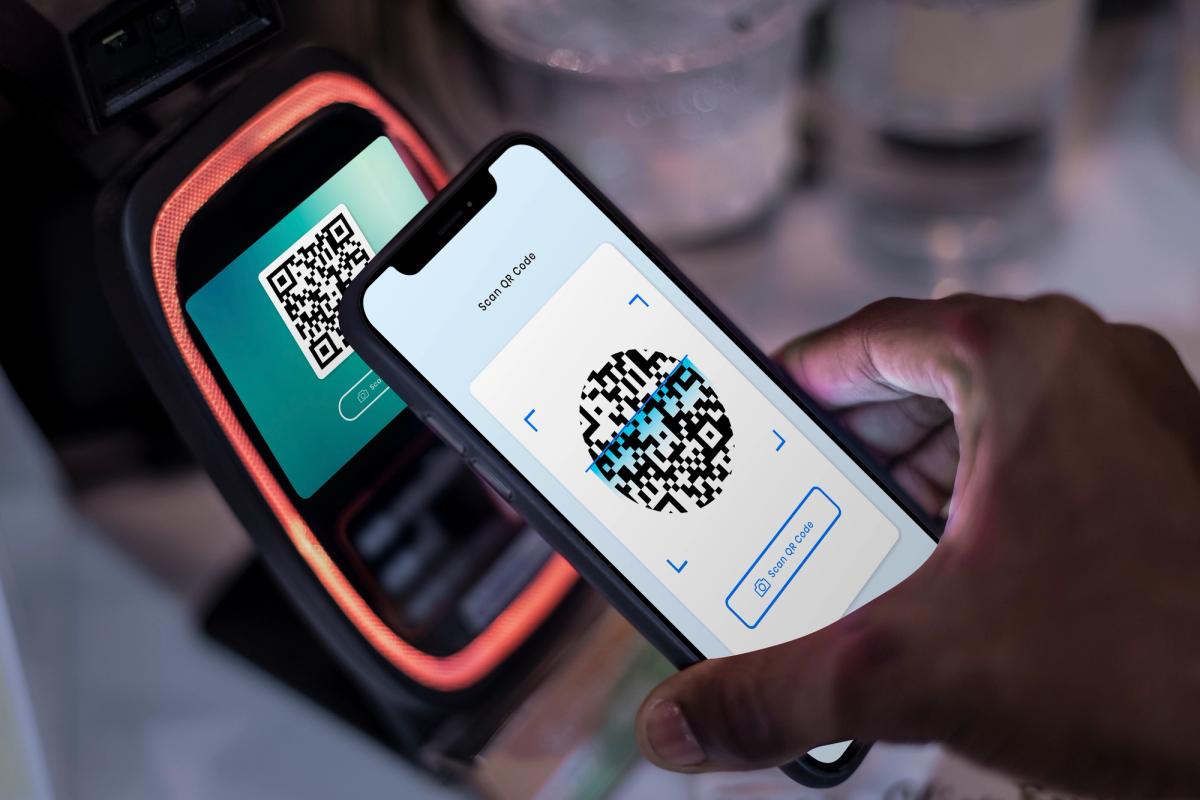
Digital Payments Africa is booming. Discover who really benefits from mobile payments and the cashless economy reshaping commerce across the continent today.
Africa's digital payment revolution is generating headlines, attracting billions in global investment, and reshaping how money moves across one of the world's most dynamic economic regions. But behind the impressive transaction volumes and the celebrated unicorn valuations, a more important question warrants honest examination: who actually benefits when digital payment platforms replace cash, and when mobile payments become the default method of payment for hundreds of millions of people across the continent?
The answer is more nuanced, more encouraging, and more instructive for business strategy than the technology headlines typically reveal. Businesses, consumers, governments, and even macro-level economies all stand to gain from the transition to a cashless economy, but the distribution of those benefits is neither automatic nor equal.
Understanding this distribution is what separates businesses and individuals who extract maximum value from the digital payment transition from those who participate without capturing the full commercial and financial advantages available to them.
Businesses: Lower Costs, Faster Cycles, Bigger Markets
The business case for embracing digital payments Africa-wide is compelling and increasingly supported by evidence rather than aspiration. Accepting digital payments reduces cash-handling risk, accelerates settlement, improves the quality of financial records, and extends a business's addressable market to customers who prefer or exclusively use digital payment methods that cash-only merchants cannot serve.
The World Bank's digital finance for development research documents that businesses adopting digital payment systems consistently report improvements in revenue visibility, customer acquisition, and access to formal finance products that depend on verified transaction histories.
When a market trader in Lagos or a salon owner in Accra begins accepting mobile payments, they do not just gain a new payment method. They begin building the transaction record that qualifies them for working capital loans, insurance products, and business finance that cash operations could never support.
Consumers: Access, Speed, and Financial Dignity
For African consumers, the shift to mobile payments and digital transactions represents more than convenience. It represents meaningful access to financial services that physical infrastructure, income-formality requirements, and geographic distance had previously made genuinely inaccessible.
A subsistence farmer who can receive crop sale proceeds directly to a mobile wallet, save them digitally, and pay school fees without traveling to a bank branch has gained a quality of financial life that structural barriers previously denied them.
GSMA's Mobile Economy Sub-Saharan Africa report confirms that mobile payment adoption across the continent is most impactful precisely in the populations that were most underserved by traditional finance, including rural communities, women, informal workers, and micro-entrepreneurs operating at the base of the economic pyramid.
Digital payments give these populations not just access to transactions but also economic visibility, financial history, and platform participation that create pathways to credit, insurance, and savings products, building long-term financial resilience and wealth.
Governments: Revenue, Transparency, and Policy Leverage
African governments are among the quieter but most significant beneficiaries of the digital payment transition. When transactions shift from cash to digital channels, economic activity previously invisible to tax authorities and statistical agencies becomes documented, measurable, and actionable. This visibility translates into a broader tax base, improved government revenue without higher tax rates, and better economic data for policy decisions.
The IMF's research on digital payments and fiscal outcomes shows that countries that increase their digital payment penetration see measurable improvements in tax compliance, reduced corruption in government payment disbursements, and stronger statistical capacity to monitor economic conditions in real time.
Beyond taxation, digital payment infrastructure enables more efficient delivery of social benefits, agricultural subsidies, and emergency cash transfers to populations that cash-based disbursement systems reached slowly, expensively, and with significant leakage along the way.
The Cashless Economy: Who Gets Left Behind?
Honest analysis of the transition to a cashless economy must include those at risk of exclusion, rather than only celebrating the beneficiaries of inclusion. Older populations with limited smartphone access, rural communities with unreliable network coverage, and individuals without registered identity documents required by mobile payment platforms for account verification all face genuine risks of being marginalized by a transition that assumes universal digital access.
The Alliance for Financial Inclusion's digital finance policy framework addresses the risk of digital exclusion directly, calling for regulatory and platform design approaches that extend the benefits of a cashless economy to populations at risk of being left behind by purely market-driven digital payment adoption that serves the most commercially attractive segments first.
Businesses that understand and address this gap by offering USSD-based payment options, agent banking access points, or multilingual interfaces position themselves to serve the full breadth of Africa's consumer market rather than only its digitally privileged segment.
Practical Tips for Businesses Navigating the Digital Payment Transition
Understanding who benefits from digital payments is commercially valuable only when translated into concrete business decisions. Here is how businesses across Africa can maximize their share of the cashless economy's benefits:
Accept multiple payment methods: card, mobile money, bank transfer, and USSD to serve customers with varying levels of digital adoption simultaneously.
Integrate payment data with your accounting: Connect your payment platform to your bookkeeping tool to build clean financial records that unlock access to business finance products.
Train your team on digital payment security: Reduce fraud exposure by educating staff on authentication best practices, transaction verification processes, and suspicious activity reporting.
Communicate your digital payment options clearly: Display accepted payment methods prominently in-store and online so customers know how they can pay before initiating a transaction.
Monitor your transaction analytics: Use the data your payment platform generates to identify peak sales periods, highest-value customer behaviors, and product popularity patterns that inform smarter business decisions.
Frequently Asked Questions
Who benefits most from the digital payment revolution in Africa? Businesses gain financial visibility and market reach; consumers gain access and financial dignity; governments gain revenue transparency; and the broader economy gains documented activity that supports better policy and investment decisions.
Are mobile payments safe for everyday consumers and businesses in Africa? Licensed, regulated mobile payment platforms operating under central bank oversight offer strong consumer protections, though users should always verify platform licensing and enable available security features.
How does the cashless economy affect informal sector workers in Africa? Informal workers who adopt mobile payments gain access to digital financial records, credit eligibility, and economic visibility that a cash-only operation permanently denies them, regardless of their actual transaction volume or financial reliability.
What is the biggest barrier to digital payment adoption across Africa? Network coverage gaps, smartphone access limitations, digital literacy barriers, and identity documentation requirements remain the most significant structural barriers preventing universal adoption across the continent.
How can African businesses transition from cash to digital payments practically? Start by adding one digital payment method, train staff and customers on its use, monitor adoption and feedback, then expand to additional methods as familiarity grows and transaction data confirms the business case for further investment.
The Cashless Economy Is Not Coming to Africa. It Is Already Here.
The question is no longer whether digital payments will transform African commerce. That transformation is underway and accelerating across every major market on the continent. The question is whether your business will be positioned within that transformation as a beneficiary or a bystander watching from the outside, while competitors capture the customers, data, and financial credibility that digital payment adoption generates.
ThisIsBusiness360 is here to help you claim your position in Africa's cashless economy with confidence and strategic clarity.
- Call us today: +234 806 496 8725
- Visit our website: www.thisisbusiness360.com