

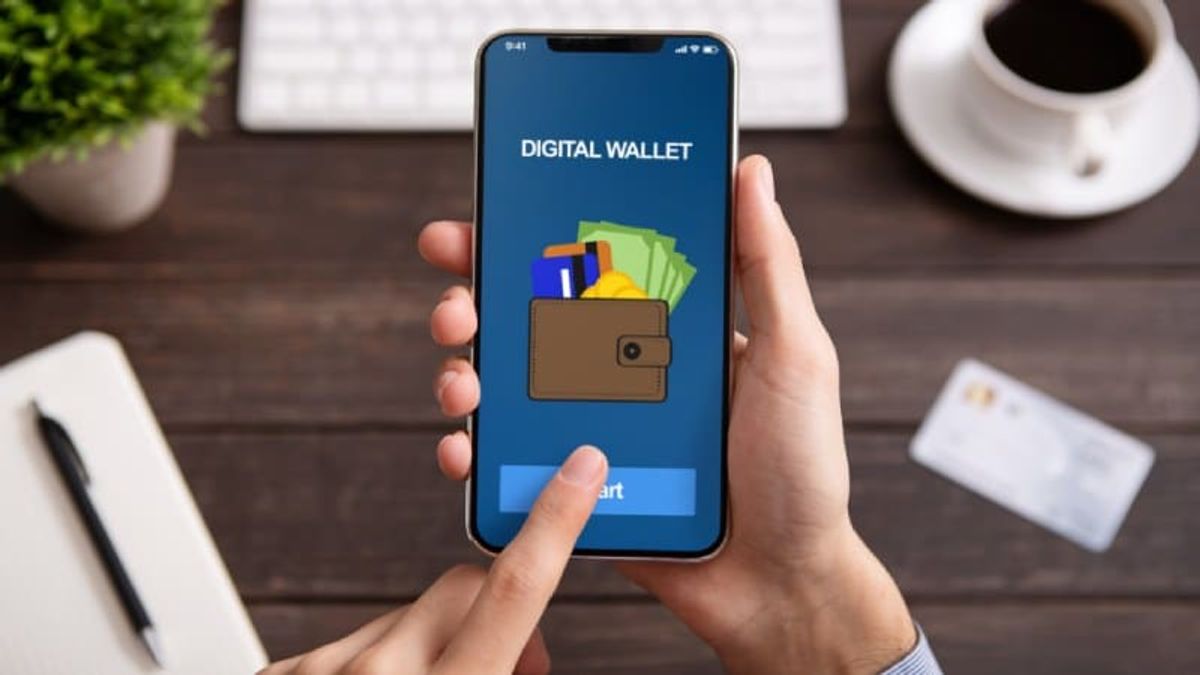
Digital wallet security concerns are real but manageable. Discover how mobile wallets and payment security work for African businesses and what to watch for.
Digital wallet security is one of the most frequently raised concerns among African business owners considering the shift from cash and traditional banking to mobile wallets and digital payment platforms. The concern is understandable, legitimate, and worth addressing with honest, evidence-based information rather than either dismissing it as technophobia or amplifying it into a reason to avoid digital financial tools entirely.
Mobile wallets are already processing hundreds of billions of dollars in transactions across Africa each year, and understanding what makes payment security work and what remains your responsibility as a user is the foundation of safe, confident digital wallet adoption.
This article explains how digital wallet security actually functions across African platforms, what the real risks are, how to manage them, and why the security profile of reputable mobile wallets is, in many respects, stronger than that of physical cash and informal payment methods they are replacing for African businesses of every size.
What Digital Wallets Are and How They Work
A digital wallet is a software-based system that securely stores payment information and enables transactions through a mobile device without requiring physical cash or cards to change hands. Mobile wallets in the African context range from mobile money platforms like M-Pesa, MTN Mobile Money, and Airtel Money to dedicated FinTech payment apps such as Flutterwave, OPay, and Chipper Cash to bank-issued digital wallets that replicate traditional account functionality via mobile interfaces.
The GSMA Mobile Money State of the Industry Report confirms that mobile wallet platforms across Africa process enormous transaction volumes daily, with security architectures that have been tested, refined, and strengthened over years of operation at a continental scale.
Each transaction processed through a regulated mobile wallet platform is authenticated, encrypted, and recorded in ways that physical cash transactions cannot replicate, creating an audit trail that actually improves fraud recovery and dispute resolution compared to cash-based commerce.
How Payment Security Works on African Mobile Wallet Platforms
Encryption and Authentication
Every transaction on a reputable mobile wallet platform is encrypted using industry-standard cryptographic protocols that protect the data in transit between your device, the payment platform's servers, and the recipient's account. This encryption means that even if a transaction is intercepted in transit, the captured data is unreadable without the decryption keys, which only authorized parties possess.
The Bank for International Settlements' research on digital payment security standards documents the encryption and authentication standards that responsible digital payment providers implement to protect transaction integrity and customer account security across mobile payment ecosystems.
Authentication adds a second layer of protection by requiring proof of identity before any transaction is authorized. Most African mobile wallet platforms require a PIN, biometric authentication, or a one-time password sent to your registered mobile number before processing any payment, ensuring that possession of your device alone is insufficient to access your funds.
Regulatory Oversight and Consumer Protection
The digital wallet security framework in most African markets is not purely technical. It is also regulatory. Central banks across the continent license and supervise mobile wallet platforms, require minimum capital reserves, mandate security audits, and establish consumer protection standards that platforms must meet to maintain their operating licenses.
The Central Bank of Nigeria's payment system regulatory framework establishes the standards that Nigerian mobile wallet providers must meet, including security requirements, fraud reporting obligations, and consumer dispute resolution protocols, thereby providing business users with a formal avenue to address payment security incidents.
Operating within this regulatory framework means that regulated platforms carry institutional accountability for security failures that unregulated or informal payment channels do not, providing African businesses with a recourse pathway when things go wrong that cash-based commerce simply cannot replicate.
Real Risks African Businesses Should Know About
Acknowledging that mobile wallets are generally secure does not mean they carry no risk. Understanding the actual risk landscape helps businesses implement the right protections rather than either ignoring risk entirely or being deterred by exaggerated concerns that obscure the genuine security advantages digital wallets provide.
The real digital wallet security risks that African businesses should manage include:
- SIM swap fraud: Fraudsters convince mobile network operators to transfer a victim's phone number to a SIM card under fraudster control, enabling them to receive OTP authentication messages. Register for additional security verification with your network operator and enable any platform-level security measures that extend beyond SMS-based OTPs.
- Phishing attacks: Fake login pages, fraudulent customer service calls, and deceptive SMS messages attempt to capture wallet credentials. Always access your wallet through the official application or a verified URL, and never share your PIN or OTP with anyone claiming to represent your wallet provider.
- Device theft with unlocked access: A lost or stolen unlocked device with a wallet application open represents a genuine access risk. Enable screen locks, use biometric authentication on your device, and set wallet applications to require re-authentication after any period of inactivity.
- Unauthorized third-party applications: Installing wallet applications from unofficial sources exposes businesses to malware that can capture credentials. Always install wallet applications from official app stores and verify developer credentials before downloading any finance-related application.
At ThisIsBusiness360, we help African businesses adopt digital payment tools with the security awareness and operational discipline that protect their funds and commercial relationships from the fraud risks inherent in digital financial systems, alongside their considerable benefits.
How to Maximize Digital Wallet Security for Your African Business
Security in the digital payment context is not exclusively the platform's responsibility. Users who understand their security obligations and implement practical protective measures consistently experience significantly fewer fraud incidents than those who rely entirely on platform-level protections without contributing their own security discipline.
Practical security measures every African business should implement for their mobile wallets:
- Enable every available authentication layer: Use PIN, biometric, and, where available, hardware security keys or dedicated authentication applications rather than relying solely on SMS-based verification.
- Set transaction limits appropriate to your needs: Most mobile wallet platforms allow you to set daily transaction limits that cap potential fraud losses if your account is compromised.
- Monitor transaction notifications in real time: Enable push notifications for every transaction so any unauthorized activity is detected immediately rather than discovered during a periodic account review.
- Use separate wallets for different purposes: Maintain distinct wallet accounts for customer collections, supplier payments, and operational expenses to limit the exposure of any single wallet to your complete business payment volume.
- Verify recipient details before confirming transfers: Confirm payment recipient details independently before authorizing any transfer, particularly for new payees where an error or fraud attempt could direct funds to the wrong account.
Frequently Asked Questions
Are mobile wallets safer than cash for business transactions in Africa**?** In most respects, yes. Mobile wallets create transaction records, enable recovery processes for fraud, and eliminate physical theft risk for cash, though they introduce digital fraud risks that appropriate security practices effectively manage.
What should I do if I suspect unauthorized access to my mobile wallet? Contact your wallet provider's fraud team immediately, change your PIN and authentication credentials from a secure device, and report the incident to your central bank's consumer protection channel if the provider does not respond promptly.
How do I choose a secure mobile wallet for my African business? Choose wallets operated by platforms licensed and regulated by your country's central bank or financial services authority, with documented security certifications, clear fraud response protocols, and strong user authentication options.
Can losses from digital wallet fraud be recovered in Africa? Recovery depends on the speed of reporting, the regulatory framework in your market, and the specific circumstances of the fraud. Licensed platforms operating under consumer protection regulations typically have formal dispute resolution processes that can facilitate partial or full recovery.
Does using a digital wallet affect my business finance records? Positively. Digital wallet transactions create verifiable financial records that improve bookkeeping accuracy, simplify tax documentation, and build the transaction history that formal finance products use to assess business creditworthiness.
Digital Wallets Are Not Without Risk. But Neither Is the Alternative.
Cash can be stolen, lost, or miscounted with no recovery pathway. Physical payment records can be destroyed or fabricated. Digital wallets carry real risks, but those risks are manageable, documented, and increasingly well protected by a combination of platform security, regulatory oversight, and user security discipline, making mobile wallet adoption one of the most commercially intelligent financial decisions an African business can make today.
The question is not whether mobile wallets are perfectly safe. Nothing in commerce is perfectly safe. The question is whether the risks are manageable and the benefits are compelling. The answer to both is yes.
ThisIsBusiness360 is here to help your business adopt digital payment tools with confidence, security, and commercial clarity.
- Call us today: +234 806 496 8725
- Visit our website: www.thisisbusiness360.com
Secure digital payment adoption starts with the right knowledge. Build that knowledge today and let your business benefit from everything mobile wallets make commercially possible across Africa's rapidly digitizing economy.