

Are carbon-neutral safaris a real climate solution or just greenwashing? Discover how to spot tokenism and choose truly sustainable safari operators in 2026.
Many travelers dream of watching lions across the Serengeti without leaving a carbon footprint. Today, the Hospitality & Tourism sector heavily promotes "guilt-free" travel. Indeed, transport-related emissions from tourism are a mounting concern. These emissions account for approximately 5% of all human-caused global carbon dioxide emissions. In response, over 75% of major travel brands have set carbon-neutral goals. But are these claims a real solution, or just a clever marketing asset?
The urge to explore shouldn't cost the planet its future. Travelers now want their safari spend to protect fragile wildlife corridors and support local communities. This shifting mindset is well-documented. The Booking.com 2026 Sustainable Travel Report indicates that 85% of global travelers feel sustainable travel is highly important. However, the gap between marketing promises and actual ecological benefits continues to grow daily.
When you book with sustainable safari operators, you deserve absolute transparency. Many operators buy cheap carbon offsets to claim neutrality. Yet, recent greenwashing audits on carbon-neutral claims reveal that up to 90% of rainforest offset credits are structurally flawed. To ensure your trip makes a true impact, we provide a price promise: we will help you find verified, ethical safaris that fit your budget.
What is Greenwashing in Travel?
The global ecotourism market is surging. Current market trends show that travelers willingly pay more for eco-friendly lodging. However, some operators use "eco-friendly" labels as window dressing. This practice, known as conservation-washing, hides high emissions behind minor gestures like banning plastic straws.
These systematic market failures are deep-rooted. For instance, a landmark joint study by UPenn and the University of Oxford evaluated 25 years of carbon offset research. The study concluded that the voluntary carbon offset market is largely ineffective. Furthermore, a comprehensive scientific review published in the Annual Review of Environment and Resources found that the most popular voluntary offset programs routinely overestimate their climate impact by a factor of 5 to 10.
How to Check Your Safari Operator
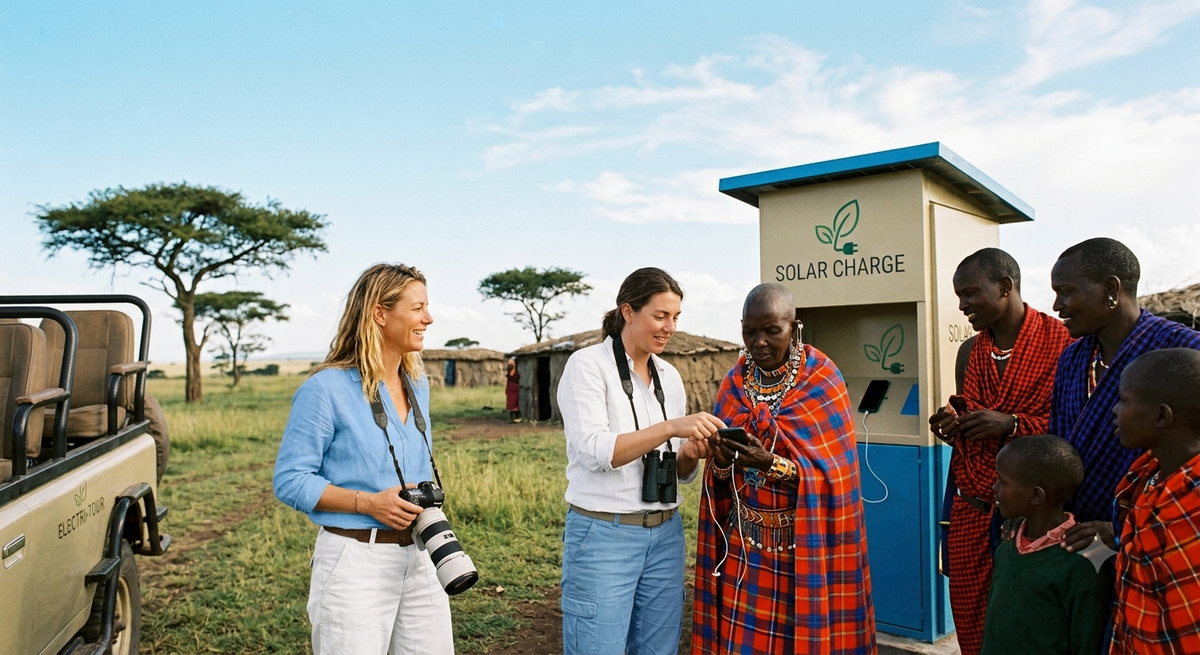
To avoid greenwashing, you must look closely at how a lodge operates. Superficial tokenism often involves buying unverified offsets to pretend to erase fossil-fuel flights. In contrast, real ecological stewardship means transitioning safari vehicles and lodges to 100% solar power.
Furthermore, greenwashed operators make vague claims about supporting local villages without providing any real data. Truly verified operators engage in direct joint-venture land ownership with indigenous host communities. This is vital because revenue "leakage" is incredibly high in the travel sector. In fact, an economic analysis reveals that up to 80% of all-inclusive package tour revenues leak out of Africa. This leaves only 20% to 45% of holiday costs in local economies.
To counter this, a Botswana Value Chain Assessment demonstrates that keeping revenue within a 50km radius of conservation hubs directly boosts local wages and goods production. To make a real difference, we must actively look for third-party certifications.
Simple Tips for Green Travelers
- Ask for Proof: Request to see verified certification. Genuine sustainable safari operators will share their data openly.
- Support Conservancies: Choose lodges built on community-owned land. This keeps tourism revenue in the local economy.
- Slow Down: Spend more days in one place. Staying longer reduces transfer emissions and supports local staff.
As the global Hospitality & Tourism market evolves, we must demand honesty. We regularly provide updates on changing carbon regulations to keep you informed. Let us help you plan a safari that preserves our planet.
Frequently Asked Questions
What makes a safari truly carbon-neutral? A truly carbon-neutral safari minimizes emissions at the source. This is done using solar energy and electric vehicles, rather than just buying carbon offsets.
How do I spot greenwashing when booking? Look out for vague terms like "eco-lodge" that lack clear data. Avoid lodges that offer close contact with wild animals or show no community partnerships.
Are carbon offsets effective for safari travel? Many offsets lack permanence. If a protected forest burns down, the offset is lost. Direct local conservation funding is much more reliable.
Book Your Green Safari Today
Do you want to plan a genuinely sustainable journey? Speak to our travel experts.
Call: +234 806 496 8725
Visit our website:This is Business 360