

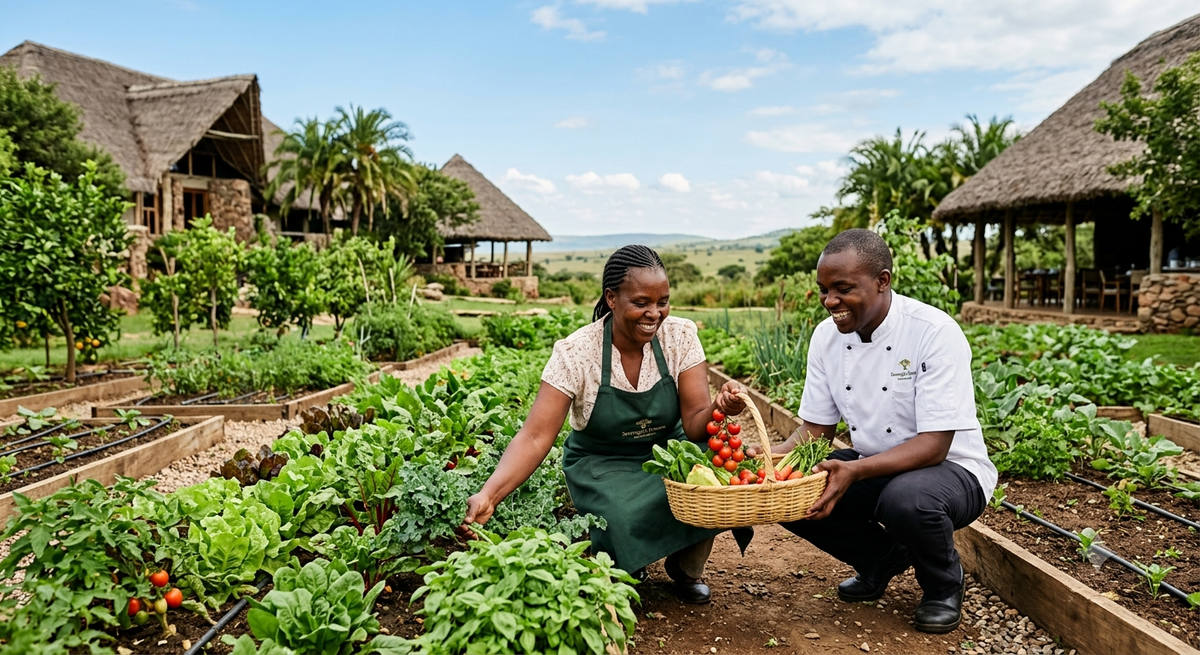
Learn how sustainable hospitality initiatives in Africa cut resort supply chain emissions, lower costs in 2026, and deliver exceptional dining experiences.
Luxury travelers today demand unforgettable dining experiences that respect our planet. African eco-resorts are stepping up to change how we view culinary tourism. By sourcing ingredients locally, these destinations solve major environmental challenges. They replace long-distance food transport with fresh, vibrant local flavors.
Hospitality properties traditionally face complex procurement hurdles across the continent. Transitioning to a regional framework effectively mitigates these operational bottlenecks. This proactive strategy allows high-end establishments to bypass carbon-heavy international freight networks entirely. Consequently, resorts build stronger local agricultural alliances while dramatically dropping their environmental impact.
This article analyzes current market trends in eco-tourism. We explore how short culinary supply chains protect the environment. You will find practical steps to implement these green strategies today. Discover how reducing food miles delivers an unmatched, eco-friendly luxury outcome.
The Problem with Imported Food
High-end hospitality historically relied on imported gourmet ingredients. Flying steaks and cheeses across continents creates massive carbon footprints. Data shows that global food miles generate roughly 3 billion tonnes of carbon emissions annually, making transport a critical issue. These transport practices significantly increase indirect value chain emissions. Refrigerated long-haul transport worsens global food waste and environmental degradation.
Furthermore, research indicates that global food loss and waste contribute to nearly 10% of total greenhouse gas emissions. Modern travelers actively reject these unsustainable corporate methods. Eco-resorts must adapt quickly to remain relevant in the market. Transitioning to local agricultural networks provides an immediate solution. This shift protects ecosystems while elevating the overall guest experience.
How Buying Local Cuts Emissions
Choosing local food networks eliminates the need for air freight. Ingredients travel short distances from nearby fields to resort kitchens. This geographic proximity drastically lowers carbon dioxide equivalents. It removes the energy-draining reliance on prolonged cold storage networks.
Resorts establish direct partnerships with local smallholder farmers. These alliances help reduce post-harvest losses at the farm level. In fact, pilot programs demonstrate that saving surplus food can prevent over 1,000 tonnes of carbon dioxide emissions locally. This cooperative model creates a highly efficient food supply loop.
Better Food and Better Stories
Sourcing food locally completely transforms the guest dining experience. Chefs design dynamic menus around daily harvest cycles. Global studies confirm that 75% of global travelers seek authentic, sustainable travel options. Every dish tells a unique story of local heritage and terrain. This authentic connection deepens the traveler's relationship with the destination.
Guests do not just eat high-quality food. They participate in a meaningful regional conservation story. Fresh, heirloom produce delivers superior taste and visual vibrancy. Because 80% of premium travelers associate hyper-local sourcing with superior luxury quality, this culinary excellence justifies premium room rates effortlessly.
Easy Sourcing Tips for Resorts in 2026
Transitioning to green sourcing requires clear, structured action steps. Here is how your hospitality brand can implement these changes:
- Map Regional Growers: Identify organic farms within a fifty-mile radius of your property.
- Create Seasonal Menus: Allow local crop availability to guide your kitchen offerings.
- Fund Farm Infrastructure: Invest in local solar-powered cold storage facilities to protect harvests.
- Educate Your Guests: Share farm-to-table success metrics directly on your physical menus.
These clear steps optimize your logistics while lowering monthly operational costs. Reports show that small infrastructure investments can cut farm-level food losses by up to 40% during climate shocks.
Helping Local Communities Grow
Sustainable sourcing benefits more than just the global atmosphere. Direct resort purchasing boosts smallholder farmer incomes dramatically. Data from established regional networks shows farmer revenue increases of up to 41% through steady market access. This financial support strengthens vulnerable rural economies. It transforms luxury tourism into an engine for community empowerment.
These practices build strong regional supply resilience against market disruptions. Resorts secure consistent access to premium ingredients year-round. This mutual reliance forms the true foundation of sustainable hospitality initiatives in Africa.
Frequently Asked Questions
What does sustainable hospitality in Africa mean for luxury food logistics? It represents sourcing fresh ingredients locally to eliminate international freight emissions and support regional farmers.
How does farm-to-table dining improve the overall guest experience? It provides fresher ingredients, unique regional flavors, and engaging storytelling that modern eco-conscious travelers appreciate.
Does hyper-local sourcing provide updates on cost control? Yes, sourcing locally reduces the costs of import tariffs, international shipping fees, and costly long-distance cold storage.
Want to optimize your hospitality brand for the green economy in 2026? Let our professional consultants transform your corporate supply network today.
Call us: +234 806 496 8725
Visit our website:www.thisisbusiness360.com