

Discover how Africa's growing tourism economy creates jobs and infrastructure. Learn the latest 2026 market trends driving sustainable growth.
The pulse of Africa is changing. Golden savannah sunsets, bustling spice markets, and rich cultural heritage draw millions of travelers from around the world each year. This massive influx does more than create memories. It builds a powerful financial foundation across the continent.
According to the latest UN Tourism data, international travel is expanding rapidly. We provide updates on these shifts to show how visitors transform communities. If you own a brand in Hospitality & Tourism, capitalizing on these shifts this year guarantees a boost in visibility. Let us look at how tourism revenue in Africa relies on game-changing changes.
How Tourist Spending Reaches Local Communities
When an international traveler books a stay, money flows deeply into the local economy. This process is known as the economic multiplier effect. The cycle begins the moment a visitor settles a bill at a boutique lodge or hotel.
From there, that initial expenditure filters directly down into local supply chains. According to the World Travel & Tourism Council (WTTC), travel and tourism contributed a massive $228 billion to Africa’s economy in 2025. This represented 7.0% of the regional GDP. Even better, WTTC research indicates this contribution will expand by 5.4% in 2026 to reach $241 billion.
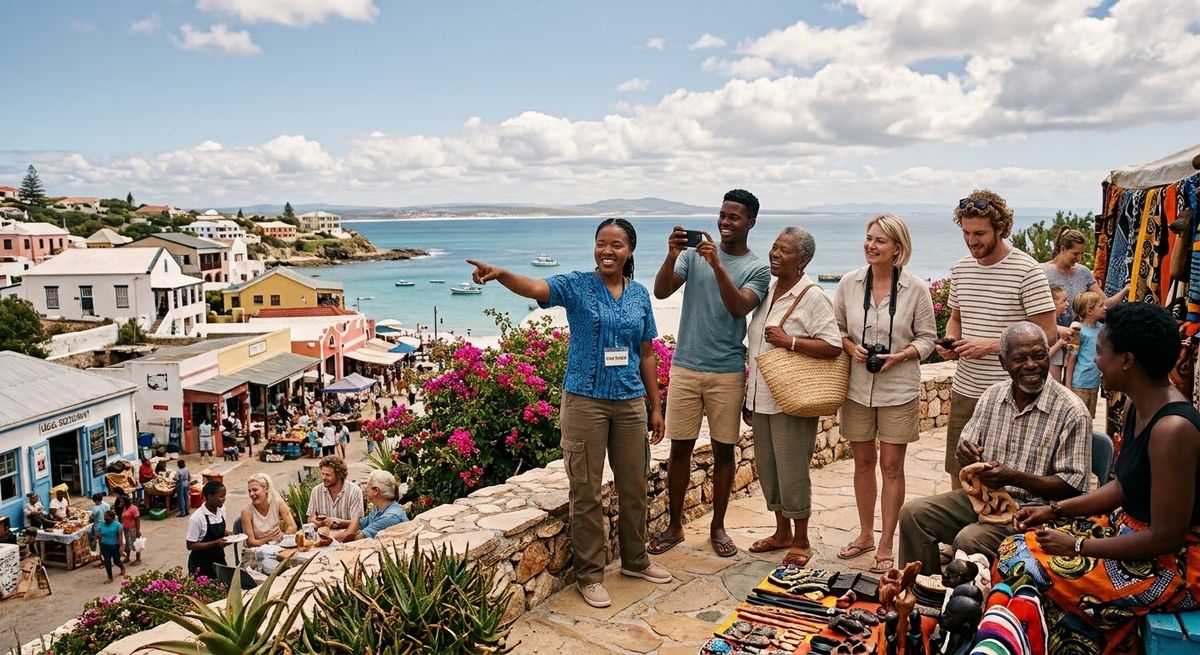
The lodge uses the capital to buy fresh produce from neighborhood farmers. It pays local transport drivers, hires regional historians for tours, and purchases handmade crafts from village artisans. This sequence keeps local businesses thriving. This decentralized wealth assists families far outside major capital cities.
Creating New Jobs and Equal Opportunities
The African development tourism model is a major employer. The sector is highly labor-intensive. It creates paths to financial independence for women and youth.
- Regional Employment: WTTC data show that the travel sector supported 30.2 million jobs in Africa in 2025.
- Future Projections: Industry experts forecast this employment metric to reach 31.5 million jobs in 2026.
- National Impact: For instance, hospitality data from CNBC Africa projects the sector will contribute 4.5% to Nigeria's GDP by 2026.
The Rise of Sustainable Hospitality & Tourism
Modern travelers no longer want passive sightseeing. Recent market trends show a major shift toward regenerative travel. Travelers want their journeys to protect nature and support people.
Data compiled indicates that overall African travel and tourism revenue will hit $25.29 billion this year. Within that metric, hotels and lodgings account for a significant $11.29 billion in total market share. Furthermore, UN Tourism global reports show that Africa saw international arrivals rise by 8% to hit 81 million visitors.
The tourism economy that Africa hosts is no longer just recovering. It is setting new global standards for responsible travel. For example, regenerative safaris now directly fund wildlife protection and community land leases. Similarly, heritage tourism pulls the global diaspora back to West African roots, creating long-term investment. Additionally, digital nomad hubs bring long-term remote worker spending to coastal towns.
Countries like Kenya and Rwanda show that high-value conservation tourism directly funds local school infrastructure.
Action Steps for Local Business Owners
To capture this growing market and drive revenue, your business must adapt. Use these practical tips to stay ahead:
- Obtain Green Certification: Travelers actively check for eco-friendly credentials.
- Offer Personalized Storytelling: Build custom itineraries featuring local guides and authentic history.
- Upgrade Digital Payments: Ensure smooth online booking experiences for international guests.
Are you looking to position your Hospitality & Tourism business for maximum growth? Our team helps brands dominate search results and attract high-value leads.
Frequently Asked Questions
How does the tourism economy in Africa benefit local citizens? It creates direct jobs in lodging and transport. It also funds community health, clean energy, and education programs.
Where does most of the tourism revenue that Africa generates go? A large portion goes to supply chains. This includes local agriculture, construction, and creative arts.
Why is African development tourism focused on sustainability? Protecting natural resources ensures long-term economic growth. It keeps destinations attractive for future generations.
Secure Your Strategic Growth Today
The African travel market is moving fast. Do not let your business miss these massive opportunities. Partner with experts who understand modern digital growth and strategic visibility.
Call us today: +234 806 496 8725
Visit our website:www.thisisbusiness360.com