

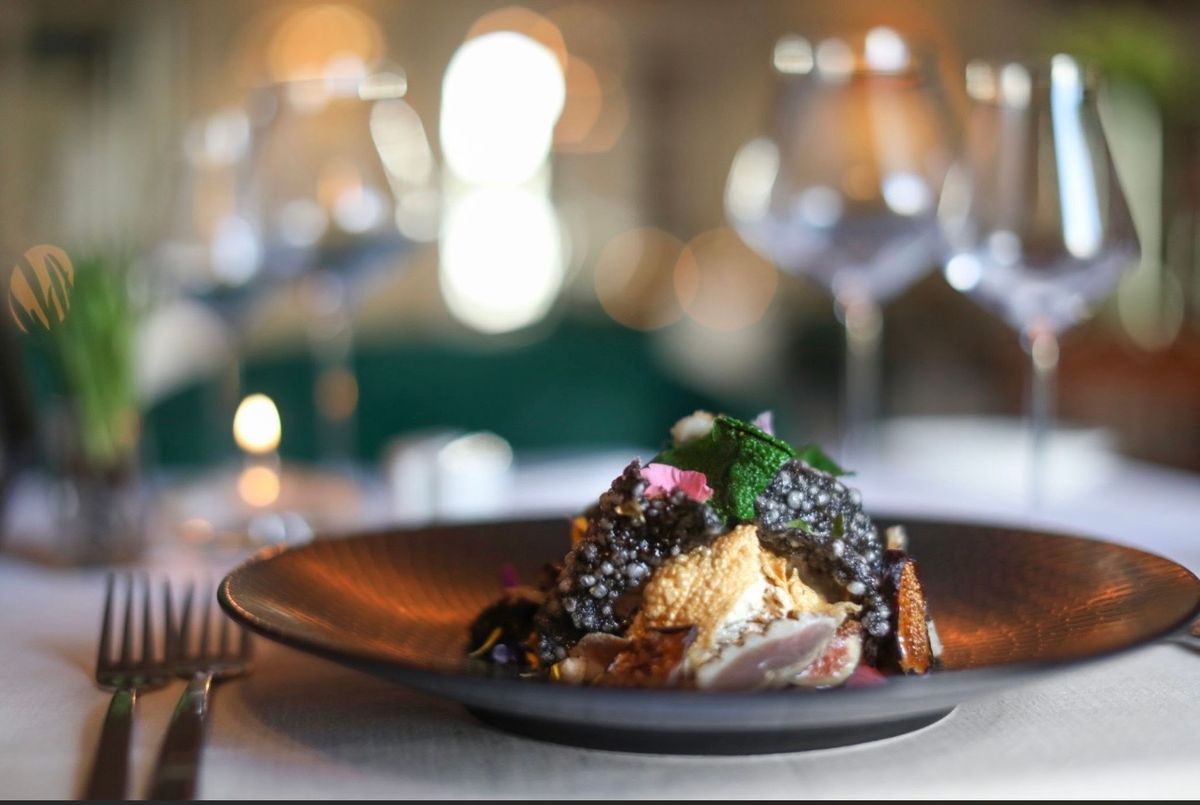
Discover how integrating indigenous hospitality practices and local foraging elevates eco-resort dining, lowers supply costs, and delights guests.
Eco-resort dining is evolving far beyond standard farm-to-table menus. Today, discerning travelers demand authentic, low-impact culinary journeys. According to the Booking.com Sustainable Travel Report 2023, 76% of global travelers state that they want to travel more sustainably, with experiential local dining driving their booking choices.
Foraging bridges the gap between passive luxury and active environmental connection. By harvesting wild plants, mushrooms, and botanicals straight from surrounding micro-climates, resorts create zero-mile dining experiences that showcase the true essence of a destination. This hyper-local approach satisfies guest curiosity while actively honoring regional biodiversity and traditional food culture.
Incorporating indigenous hospitality practices through local foraging offers a distinct place-based culinary story. In 2026, high-end sustainable resorts elevate guest experiences by bringing wild-harvested botanicals and indigenous ingredients straight to the dining table.
Why "Wild-to-Table" Food is Growing
Recent culinary F&B market trends show a sharp shift toward hyper-local sourcing and ancestral foodways. Market research from Agritecture highlights that the global agritourism and farm-experience sector reached $73.2 billion in 2024 and is projected to surge to $205.6 billion by 2033. By integrating indigenous hospitality practices, eco-resorts capture this high-value market while reinforcing core environmental commitments.
Data from the KOA Outdoor Industry Report reveals that Gen Z and Millennial travelers accounted for 61% of outdoor experience seekers in 2024. Furthermore, Gen Z emerged as the highest daily spenders, averaging $266 per day on immersive outdoor travel.
Instead of shipping air-freighted microgreens across oceans, resort chefs gather native coastal herbs, wild berries, and forest fungi. According to industry surveys published by Greenview and the World Travel & Tourism Council (WTTC), roughly 1 in 3 surveyed eco-hotels now operate on-site gardens or wild-sourcing programs. Industry benchmarks from the Global Sustainable Tourism Council (GSTC) show that hyper-local sourcing allows leading eco-resorts to supply 30% to 60% of their produce requirements directly from immediate surrounding ecosystems.
How Foraging Helps Hospitality & Tourism
Wild harvesting transforms a routine evening dinner into an unforgettable narrative journey. When luxury properties seamlessly blend wild ingredients with indigenous hospitality practices, the dining room becomes an interactive cultural classroom.
- Sensory Guest Immersion: Guests walk native forest trails alongside indigenous guides in the morning. They taste those exact same wild botanicals at night during their tasting menu.
- Hyper-Seasonal Agility: Dishes change fluidly based on what the immediate landscape yields naturally each week.
- Preserving Local Heritage: Partnering directly with native botanists honors ancestral food traditions while protecting delicate local ecosystems.
Data published in the Virtuoso Sustainable Travel Survey demonstrates that 74% of luxury travelers are willing to pay extra for travel experiences that directly benefit local communities. This level of true authenticity drives powerful organic word-of-mouth marketing within the broader Hospitality & Tourism sector.
The Guest Journey: From Forest Floor to Dinner Table
The integrated foraging experience operates as a seamless, four-stage journey that directly connects guest activities with restaurant operations.
It begins early in the morning with a guided foraging walk led by a local indigenous botanist. During this walk, guests learn about native plant ecology, traditional medicinal uses, and ethical harvesting techniques.
Next, the harvested ingredients are delivered straight to the resort kitchen. The culinary team carefully cleans, prepares, and pairs these wild botanicals with organic base proteins.
Finally, the day culminates in an evening multi-course tasting menu. Front-of-house staff narrate the story behind each wild dish, creating a memorable dining experience.
Easy Steps to Start Foraging Safely
Launching an authentic wild-harvesting culinary program requires careful structural planning, ecological stewardship, and deep local respect. Follow these actionable operational steps to build a safe, highly sustainable foraging model:
- Partner with Native Knowledge Holders: Hire local botanists, naturalists, and indigenous foragers. Respect ancestral land rights and compensate traditional harvesting knowledge fairly.
- Train Kitchen Teams on Safety: Establish rigorous identification protocols. Ensure absolute legal and health compliance regarding wild mushrooms, berries, and native plant species.
- Adopt "Leave No Trace" Harvesting: Implement strict rotational gathering practices. Research from the USDA Forest Service Non-Timber Forest Products Guide recommends harvesting no more than 10% of a wild plant patch to safeguard population regeneration.
- Build Flexible Daily Menus: Train front-of-house service staff to enthusiastically explain micro-seasonal menu variations to curious guests.
Applying these foundational steps strengthens overall Hospitality & Tourism operations while actively celebrating time-tested indigenous hospitality practices.
Handling Changes in Weather and Supplies
Wild harvests depend heavily on shifting weather patterns and delicate micro-seasons. Resort chefs cannot always predict exact daily yields or precise harvest quantities. To solve this operational friction, premier eco-resorts pair wild foraging programs with robust on-site permaculture gardens.
When wild supplies dip due to weather variations, cultivated garden produce seamlessly fills the gaps. Research published by the Food and Agriculture Organization (FAO) on short supply chains indicates that 13.2% of food is lost after harvest and before retail. Another 19% is wasted at the retail, food service, and household levels, according to 2024 UNEP statistics. This balanced hybrid approach protects menu consistency and kitchen workflow without losing the narrative charm of wild gastronomy. For more strategies on eco-friendly hotel management, explore our comprehensive Business360 Sustainability Guides.
Frequently Asked Questions
Is wild foraging safe for luxury resort guests?
Yes. Resorts must employ certified botanists and trained culinary teams to safely identify, handle, and harvest edible plant species.
How does foraging lower resort operational costs?
Harvesting native ingredients locally eliminates high international shipping costs and import tariffs. According to the Cornell Hospitality Report on Sustainable F&B, localized sourcing programs reduce F&B supply chain expenses by an average of 15% to 25%.
How do resorts prevent ecological over-foraging?
Resorts follow strict rotational harvesting methods, set strict collection limits (under 15% per growth patch), and partner directly with local land stewards to preserve regional biodiversity.
Transform Your Eco-Resort Dining Program Today
Ready to elevate your luxury resort F&B operations with authentic culinary storytelling? We provide updates and expert strategic consulting tailored specifically for modern Hospitality & Tourism brands looking to innovate.
Call us today: +234 806 496 8725
Visit our website:www.thisisbusiness360.com