

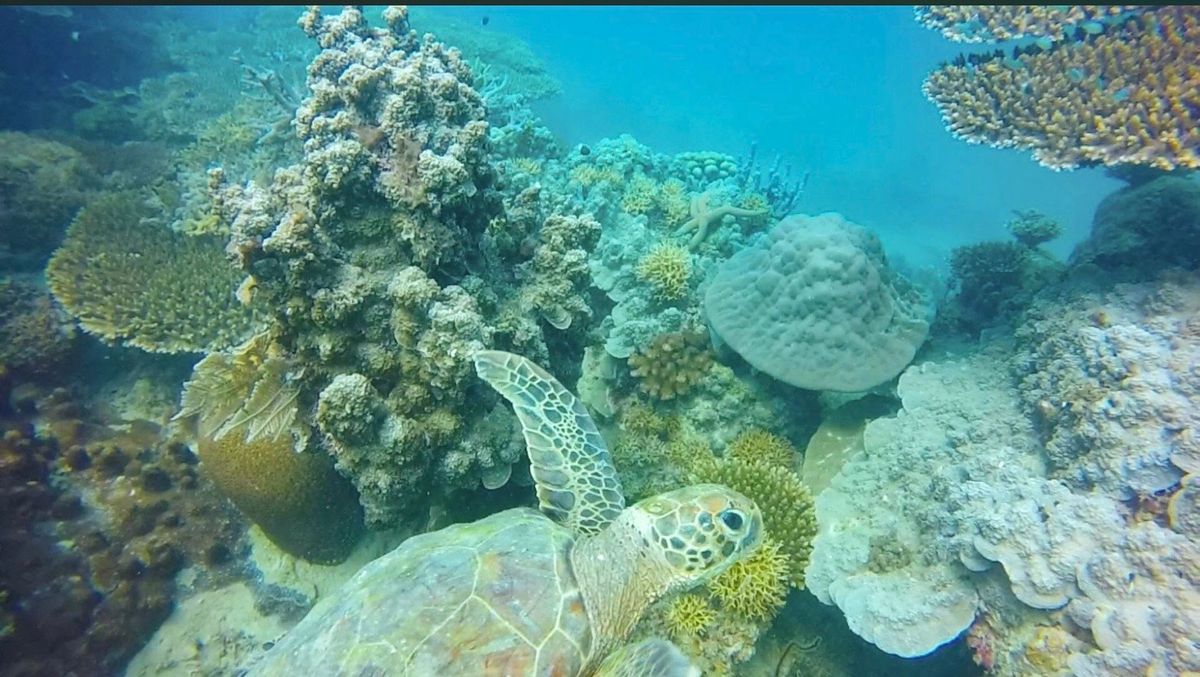
Learn how ecotourism in Africa helps preserve Zanzibar's stunning coral reefs. Discover 2026 market trends, eco-resorts, and blue economy strategies.
Zanzibar's breathtaking turquoise waters hold a fragile secret. Beneath the gentle Indian Ocean waves lies a vibrant underwater world facing severe climate threats. Coral reefs provide essential habitats for marine life, but recent warm-water events caused historic bleaching.
Fortunately, innovative Hospitality & Tourism models are reversing this damage. You can enjoy a guilt-free luxury getaway in 2026 while actively funding marine life restoration. The demand is booming, as Zanzibar welcomed a record-breaking 917,167 international visitors last year alone. Visitors can witness this transformation firsthand by exploring pristine marine sanctuaries like Chumbe Island, where over 200 species of vibrant coral and 500 species of tropical fish have completely rebounded due to strict environmental protections.
The transformation of these delicate underwater environments is captured beautifully in local multimedia projects. Visual documentaries highlighting Zanzibar's blue economies reveal how private-public conservation partnerships protect vulnerable habitats. These educational films show real-time coral recovery, proving that collective, organized environmental action preserves coastal ecosystems.
The Economic Power of Zanzibar's Blue Economy
Zanzibar relies heavily on healthy ocean ecosystems. The CNBC Africa investment overview reveals that tourism generates roughly half of the island's GDP. Additionally, local fisheries support over 90,000 jobs.
To safeguard these assets, the government legally protects vulnerable waters. They have established strict non-extraction replenishment zones around the islands. These zones allow depleted fish stocks to rebuild naturally over time.
This smart economic strategy proves that environmental conservation drives long-term fiscal resilience. Investors now view healthy reefs as productive financial capital.
Private-Public Eco Partnerships
Recent market trends show a massive shift toward sustainable travel. Green investments are transforming the traditional Hospitality & Tourism sector, driven in large part by Zanzibar's explosive 24.5% year-over-year growth in international visitor arrivals.
Private eco-resorts now actively fund public marine protected areas. For example, Earth Changers' profile of Chumbe Island highlights a fully self-funded private marine park.
Ecotourism profits directly cover the costs of park rangers and local research. These partnerships keep the reefs pristine without relying on unpredictable government grants.
How We Regrow the Reefs
True eco-tourism initiatives in Africa go far beyond basic beach cleanups. Conservation teams use advanced scientific methods to rebuild damaged habitats. On Mnemba Island, teams install specialized underwater structures to boost biodiversity. Under regional marine action frameworks, public-private partnerships have successfully regenerated approximately 1,224 hectares of highly biodiverse coral reefs.
Conservationists deploy elevated metal coral frames to raise fragile fragments safely above shifting seafloor sand. They also utilize hexagonal steel structures called reef stars to stabilize loose, broken coral rubble. Additionally, large artificial reef structures are strategically placed deep underwater to provide immediate, safe shelter for schools of migrating tropical fish. These active interventions help coral fragments grow faster. They quickly turn degraded underwater barrens into thriving, colorful sanctuaries.
Four Easy Tips for Eco-Travelers
Your choices as a traveler directly impact these delicate ecosystems. Here is how to ensure your trip supports local conservation efforts.
- Wear Reef-Safe Mineral Sunscreen
Standard chemical sunscreens contain oxybenzone, which poisons coral. Always choose zinc oxide or titanium dioxide formulas instead.
- Practice Perfect Buoyancy Control
Accidental fin kicks break fragile coral structures instantly. Keep your distance from the reef while diving or snorkeling.
- Choose Monitored Dive Operators
Book excursions with companies registered in local reef monitoring networks. These ethical businesses share valuable field data with marine scientists.
- Support the Local Swahili Community
Eco-resorts should employ local residents and purchase sustainable seafood. True sustainability requires widespread community economic benefits.
Expanding the Protected Zones
We continue to provide updates on regional conservation policies. The Zanzibar government aims to expand marine management across the archipelago, especially since the blue economy contributed an impressive 6% to local GDP growth last year alone.
Increased local community participation will ensure long-term policy compliance. Protecting nature creates stable jobs and secures future food supplies. Sustainable Hospitality & Tourism is no longer a niche luxury market. It is an absolute necessity for our planet's survival.
Frequently Asked Questions
What is the blue economy model? It is an economic system that balances commercial ocean use with environmental protection to ensure long-term growth. Tanzania's blue economy generates an estimated $9.6 to $10.5 billion annually, making up 11-12% of the entire national GDP.
Why are Zanzibar's coral reefs dying? Rising ocean temperatures cause mass coral bleaching, while overfishing disrupts the delicate marine food chain.
How does eco-tourism in Africa help Zanzibar? Traveler spending directly funds marine park rangers, coral nurseries, and sustainable infrastructure for coastal villages.
Start Your Sustainable Journey Today
Are you ready to plan a sustainable African adventure? Your travel choices can help protect Zanzibar's spectacular marine heritage. Discover ethical booking strategies and maximize your environmental impact today.
Get Expert Travel Business Guidance:
Call Us: +234 806 496 8725
Visit Our Website:www.thisisbusiness360.com