

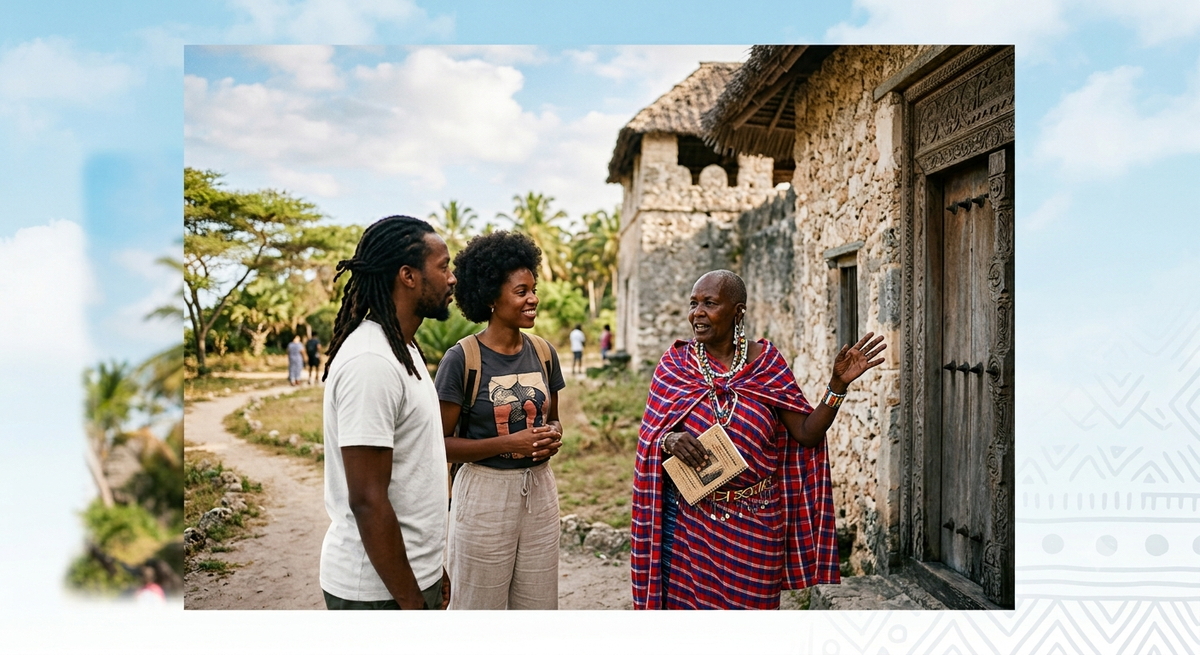
Discover how African heritage tourism decolonizes history through native storytelling. Learn key 2026 market patterns and ethical travel tips today.
For generations, outsiders wrote the dominant stories of Africa. Foreign archives shaped how the world viewed ancient kingdoms, sacred monuments, and cultural sites. Today, African heritage tourism is changing that paradigm forever. Native storytellers are recovering their true history. They center indigenous perspectives across key cultural destinations.
Beyond historical corrections, this shift reshapes how global travelers engage with the continent. Reclaiming native narrative authority turns historical sites into active centers of cultural education. Visitors no longer consume passive, Eurocentric tour scripts. Instead, they participate in a living movement of ancestral honor and community reclamation. Global research from UNESCO reveals a major industry baseline. Cultural tourism makes up nearly 40% of all global tourism activity and revenues.
What Is Decolonized African Heritage Tourism?
Decolonization in hospitality and tourism means shifting storytelling power back to local communities. It removes outdated colonial lenses from historic sites. Instead of presenting places as mere backdrops for foreign conquest, local guides underscore resilience, ancient wisdom, and cultural strength.
Why Native Storytelling Ownership Matters
Native storytelling ensures historic sites reflect authentic truth rather than colonial myths. When local historians curate tours, visitors gain genuine context.
- Authentic Historical Background: Local elders share oral traditions transmitted through centuries. Research from the European Travel Commission confirms key traveler motivations. Over 60% of international tourists favor genuine cultural experiences.
- Fiscal Sovereignty: Tourism revenue directly funds local preservation efforts and local schools. Reports from the World Bank Group demonstrate strong local impact. Tourism spending directly channels financial resources to domestic suppliers and community enterprises.
- Cultural Conservation: Sacred customs obtain genuine respect and lasting community protection. Findings from UNESCO Regional Research highlight strong financial multipliers. Every dollar invested in indigenous cultural production generates an additional $2.51 for local economies.
2026 Market Patterns in Cultural Hospitality and Tourism
The global travel sector shows a major shift toward authentic cultural involvement. Modern travelers now avoid superficial sightseeing tours. They actively seek transformational journeys that respect local community identity.
To provide updates on industry developments, key heritage corridors now feature local historians leading every tour:
- West African Coastal Corridors: Ghana and Senegal offer ancestral return pilgrimages led by local memory keepers. Economic reports from the World Travel & Tourism Council highlight major growth. Travel and tourism contribute tens of billions of dollars directly to regional GDP.
- East African Ancient Kingdoms: Ethiopia and Sudan highlight pre-colonial achievements, architecture, and spiritual traditions.
- Southern African Freedom Trails: South Africa and Mozambique center local freedom fighters in national monument tours.
Perceiving these current market patterns helps hospitality operators build respectful travel models. Authenticity is now the primary metric for travel satisfaction. Industry data outlines massive sector expansion. The global heritage tourism market will expand from $604 billion toward $778 billion by 2030.
How Indigenous Storytellers Drive Community Growth
Decolonizing tour narratives does more than correct history. It creates strong financial ecosystems for local towns. When local guides lead tours, revenue stays within the community.
Restoring Ancestral Dignity
For centuries, colonial narratives erased local achievements. Decolonized tours bring pre-colonial history back to life. Travelers learn about advanced ancient architecture, metallurgy, and philosophy.
Enabling Local Youth
Younger generations learn their true ancestral legacy. They train as professional historians, archivists, and hospitality managers. This shift creates dignified jobs and promotes great cultural esteem.
Overcoming Obstacles in Heritage Decolonization
Shifting long-standing historical stories requires active effort and investment. Historic institutions commonly face institutional inertia when updating tour scripts. However, persistent community advocacy is surmounting these structural barriers.
Institutional Resistance and Modification
Traditional museums regularly rely on outdated European archives. Modern native curators work diligently to re-examine these collections. They incorporate oral histories directly into official museum displays.
Building Sustainable Community Partnerships
Successful heritage projects require deep cooperation among local stakeholders. Governments and private operators have to prioritize indigenous land rights and cultural autonomy. This cooperation builds sustainable and respectful tourism infrastructure.
Practical Advice for Ethical Heritage Travelers
You can support narrative reclamation while exploring historic destinations. Follow these practical steps on your next journey.
Choose Community-Led Tour Operators
Select travel agencies owned and managed by native community members. This procedure ensures your money directly supports local historians and storytellers. Seek Pre-Colonial Historical Background
Look for tour itineraries that cover ancient African kingdoms. History did not begin with colonial arrival. Demand journey experiences that honor original African civilizations.
Respect Sacred Local Customs
Always honor local guidelines when visiting sacred ancestral sites. Listen quietly to indigenous guides and follow traditional cultural guidelines.
Frequently Asked Questions
How does African heritage tourism support decolonization? It puts storytelling authority back into local hands. Local communities control their history, preserve sacred sites, and retain economic benefits.
Why is native storytelling critical in hospitality and tourism? Native storytelling removes foreign bias. It provides accurate historical context while empowering local communities economically and culturally.
How can travelers ensure their tour is ethically aligned? Book directly with local, community-owned operators. Research companies that prioritize indigenous guides and fair wage practices.
Transform Your Heritage Travel Strategy Today
Are you ready to build authentic heritage experiences that empower local communities? Contact our expert team today to access comprehensive industry research and ethical travel blueprints.
Call Us:+234 806 496 8725
Visit Our Website:www.thisisbusiness360.com