

Protecting African heritage tourism through climate change resilience. Discover market trends and practical adaptation along North Africa's nomad trails.
The scorching winds sweep across the golden dunes of the Draa-Tafilalet region in Morocco. The hot dust carries centuries of rich storytelling. Indigenous Amazigh pastoralists have walked these transhumance routes for generations. However, rapid desertification and shifting rainfall threaten this fragile ecosystem.
According to data published by the United Nations Intergovernmental Panel on Climate Change (IPCC), Morocco's average temperatures have risen by 0.2°C per decade since the 1960s, while precipitation is projected to decline by up to 30% in southern Saharan zones.
Environmental studies published by the Carnegie Endowment document severe groundwater depletion in eastern oases; where water was historically found at a depth of 8 meters, local communities now drill down past 120 meters. As a result, indigenous families must pivot to new survival strategies.
This environmental shift directly threatens cultural preservation across the region. Ancient herding corridors are becoming uninhabitable. Dried wells force families to abandon ancestral grazing grounds. The historical memory carried by these nomadic routes faces permanent erasure.
Traditional Pastoralism vs. Climate-Resilient Hospitality
Historically, traditional pastoralism relied entirely on full mobility with livestock and predictable seasonal rainfall. This reliance left communities highly vulnerable to sudden environmental shifts. Severe multi-year droughts gradually destroyed livestock herds. Depleted pastureland made traditional transhumance increasingly unsustainable.
A policy study by the Carnegie Endowment for International Peace highlights that environmental stress and border restrictions have drastically reduced full-time nomadic pastoralism, leaving only a small fraction of families fully mobile today in regions like Draa-Tafilalet. To survive, these communities are pivoting toward climate-resilient hospitality. Indigenous families build grassroots stone dome shelters that lower indoor temperatures naturally during extreme heat.
They install solar-powered water pumps for community gardens. Furthermore, they create direct economic diversification through low-impact eco-tourism. This structural transition lets pastoralists stay connected to their ancestral lands while building sustainable income streams that withstand extreme weather.
Value Promise & Market Trends in Hospitality & Tourism
Are you looking to capture emerging global market trends in sustainable travel for 2026? Official data from UN Tourism indicates that international arrivals to Africa rose by 8% in early 2026, with eco-conscious travelers actively seeking authentic cultural connection over commercial mass excursions. Investing in community-led eco-trails guarantees zero intermediary exploitation. You directly empower indigenous communities while enjoying high-yield, ethical travel outcomes.
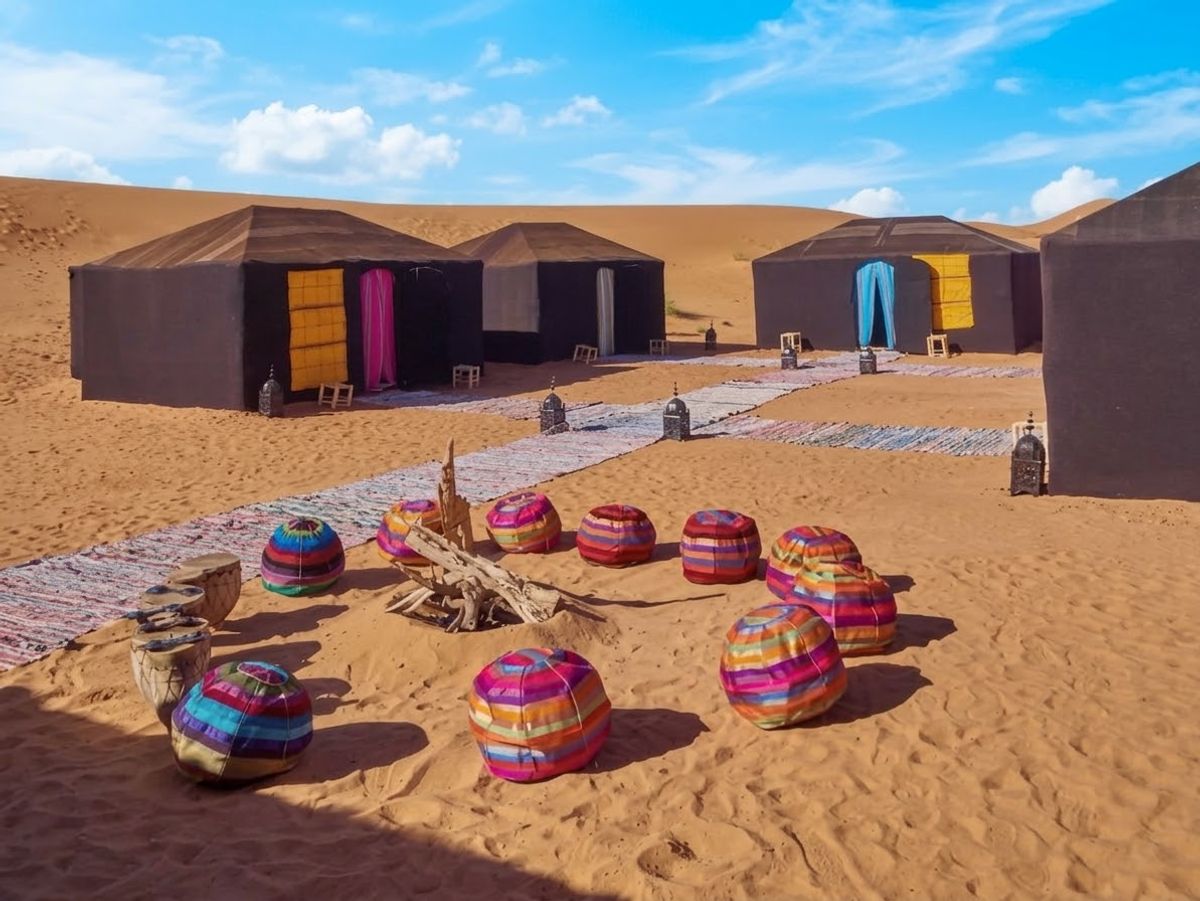
Integrating hospitality and tourism into climate adaptation creates stable, localized employment. Former pastoralists now build off-grid stone guest domes and eco-friendly desert bivouacs. These structures regulate extreme desert temperatures naturally without heavy energy consumption. Additionally, revenue from ethical trekking directly funds mobile tent schools for local children.
This economic evolution yields measurable local benefits across three core areas. First, World Bank data cite that local community-owned micro-enterprises retain significantly more capital in rural economies than foreign-owned hotel chains. Second, youth employment expands rapidly as young residents secure jobs in guiding, logistics, and hospitality management. Third, local infrastructure improves, as tour proceeds directly fund vital solar-powered wells and mobile educational initiatives.
Preserving Indigenous Knowledge Through Ethical Journeys
Nomadic communities hold priceless ecological wisdom. For centuries, they monitored fragile microclimates without modern machinery. They understood weather patterns by observing wind movements and celestial shifts. A project report from the International Organization for Migration (IOM) on North African migration dynamics shows that creating local economic opportunities and building skills reduces vulnerable forced migration across regional corridors.
Furthermore, academic research in the Springer Handbook of Climate Change Adaptation confirms that incorporating indigenous land-use knowledge into adaptation policy vastly improves ecological resilience against severe drought. When travelers walk alongside indigenous guides, this traditional knowledge takes on new value.
Tourism creates a direct economic incentive to preserve oral histories, traditional weaving practices, and sustainable water management techniques. Ethical travel transforms ancestral heritage into a vital tool for modern survival.
Practical Adaptation Tips for Sustainable Travel
How can travelers and operators protect these ancient landscapes? Consider these four practical steps:
- Book Indigenous Guides: Choose local tour operators native to the Amazigh or Ait Atta tribes.
- Support Micro-Infrastructure: Stay in stone domes and low-impact bivouacs rather than resource-heavy luxury resorts.
- Respect Migration Rhythm: Participate in seasonal transhumance hikes that follow authentic pastoral routes.
- Minimize Resource Waste: Conserve local water reserves and strictly avoid single-use plastics during desert treks.
These simple choices preserve ancestral wisdom while fostering long-term climate resilience across North Africa.
Policy Alignment and Strategic Regional Investment
Grassroots adaptation yields the strongest results when paired with supportive national frameworks. According to industry analysis by the African Travel and Tourism Association, regional sustainable tourism initiatives contribute 6.7% to total GDP across North Africa while driving local infrastructure preservation. Protecting indigenous travel corridors aligns directly with regional climate resilience goals.
Economic studies show that local micro-enterprises retain three times more capital in rural economies than foreign-owned hotel chains. Investment in localized water infrastructure and sustainable transport route planning protects vulnerable communities. Furthermore, formalizing local micro-enterprises ensures that small-scale tourism providers receive legal protection and emergency aid during global market downturns.
Frequently Asked Questions
What is African heritage tourism? It is travel focused on experiencing the authentic history, traditions, and environments of indigenous African communities.
How does climate change affect North African nomads? Droughts, soil erosion, and drying oases reduce grazing land. This forces pastoralists to settle or adapt through eco-tourism.
How does sustainable tourism aid local resilience? Tourism provides direct income, funds solar-powered water access, and supports community-led education projects.
Build Your Sustainable Future with Business360
Ready to elevate your eco-tourism brand or explore strategic market trends in sustainable hospitality? We provide updates, tailor growth models, and help businesses scale ethically.
Call us today:+234 806 496 8725
Visit our website:www.thisisbusiness360.com