

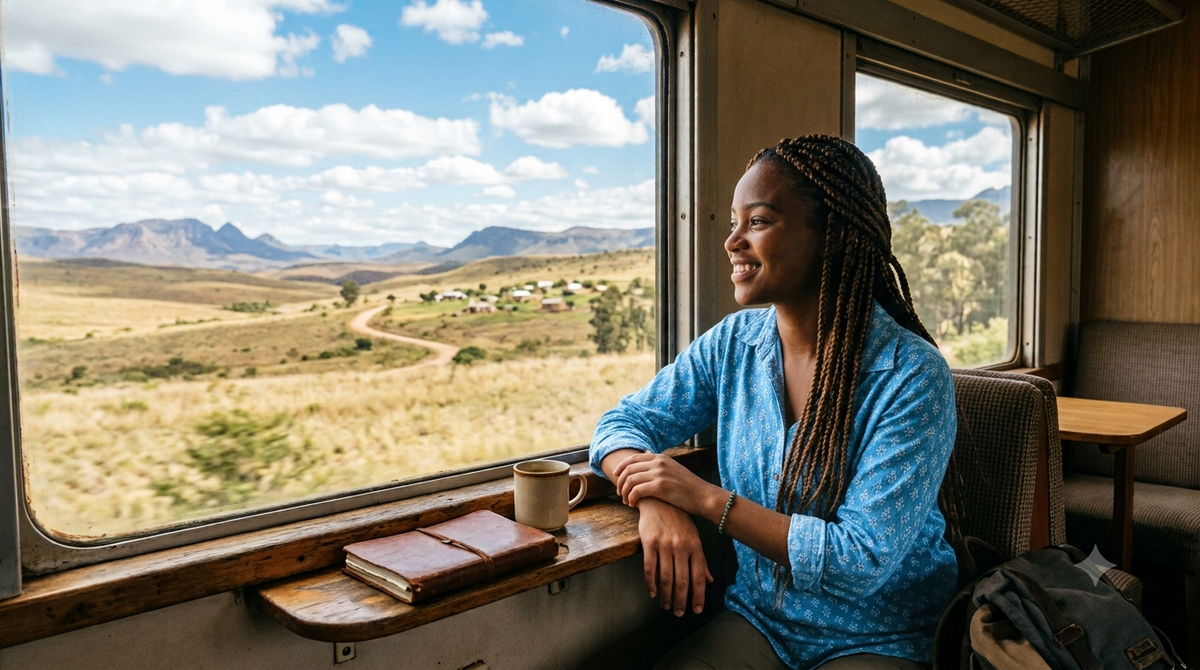
Discover how low-impact travel trends across Africa are reshaping Southern Africa's luxury travel in 2026. Learn tips to enjoy deeper, slower wilderness journeys.
Travelers are changing how they explore the world. They want fewer rushed schedules. They seek deeper, more authentic connections. This movement is called slow travel. Southern Africa is becoming a top global destination for this style.
This demand is heavily reflected in modern regional arrival figures. In fact, official updates confirm that South Africa welcomed 2,910,029 inbound travelers between January and March alone. Visitors now stay two to three days longer per trip. This article reveals the latest market trends driving this monumental transition.
A profound shift is redefining the African safari. Global adventurers now reject superficial checklist holidays. They want sensory immersion in untouched landscapes. They listen quietly to the morning birdsong. They watch the evening light hit the savanna. This conscious pause creates lasting memories for modern visitors.
Wide open spaces offer immediate mental clarity. Extended stays mean deeper economic support for rural economies. Travelers spend money directly at village markets. They fund local wildlife protection projects. Authentic, low-impact travel initiatives in Africa protect wildlife for future generations.
The Rise of Meaningful Travel in 2026
Luxury no longer means fast-paced sightseeing. True luxury means having the time to unplug fully. Travelers choose single bases rather than packing daily. This shift has a deep impact on the Hospitality & Tourism sector across the subcontinent. International arrivals are surging across the region. Visitors from Europe and North America lead this change.
Official government data notes that South Africa welcomed 10.5 million international tourists recently. They want to understand local cultures, not just take photos. They actively choose low-impact travel packages to Africa to preserve natural ecosystems.
Why Quiet Escapes are the New Premium Standard
Digital burnout is a real challenge for modern professionals. People want places where mobile notifications disappear. Remote nature lodges provide the perfect remedy for mental exhaustion. Travelers spend hours watching wildlife by waterholes. They enjoy guided walking safaris instead of crowded tour buses. T
This growth has carried powerfully into the current travel season. The South African Ministry of Tourism reported that foreign tourist arrivals grew by 12.8% from January to May. Furthermore, the data reveal that 97.2% of these international visitors arrive solely for holiday purposes.
Moving From Sustainability to Regenerative Impact
Modern travelers want their money to stay local. They support operators practicing authentic community empowerment. This demand reshapes traditional Hospitality & Tourism models into forces for good. Lodges partner with local smallholder farmers for fresh food.
Official data notes that overseas tourists generate 57.1% of total spend. A comprehensive labor report confirmed that the tourism sector accounts for 953,981 direct jobs in the region. Guests participate directly in rhino monitoring projects. This relationship ensures your journey leaves the destination better than you found it.
Practical Tips for Your Slow Travel Journey
Are you planning a trip this year? Here is how to maximize your experience. Choose one regional base for at least five days. Regional analytics show the overall length of stay rose to 16.2 nights for long-haul travelers. Explore nearby walking trails without any time pressure. Source your meals from authentic field-to-fork restaurants. Hire local guides for village and nature tours. These simple choices reduce emissions and boost local economies instantly. Premium travelers look for these exact values when selecting destinations.
The Broader Economic and Environmental Impact
The economic ripple effect of this trend is massive. When a guest stays longer, local businesses benefit directly. Tourism dollars circulate deeper within rural areas. This creates sustainable employment opportunities far away from congested city hubs.
The latest Mastercard Economics Institute report highlights that consumers prioritize experience-led journeys. Conservation efforts receive a direct boost from longer stays. Daily conservation levies accumulate to fund anti-poaching units. Hospitality brands provide specialized spaces for meditation and yoga in the wild.
Frequently Asked Questions
What exactly is low-impact travel in Africa? It focuses on minimizing environmental damage while maximizing benefits for local African communities.
How does slow travel improve the hospitality and tourism industry? Longer stays increase local lodge revenue and distribute economic benefits directly to small regional businesses.
Where can I experience slow travel in Southern Africa? Excellent options include the Cape Winelands, remote Namibian desert retreats, and community-led safaris in Botswana.
Transform Your Travel Strategy Today
We provide updates on the latest market trends to help your travel brand grow. Let us optimize your market visibility and effectively reach premium demographics.
Call us: +234 806 496 8725
Visit our website:www.thisisbusiness360.com