

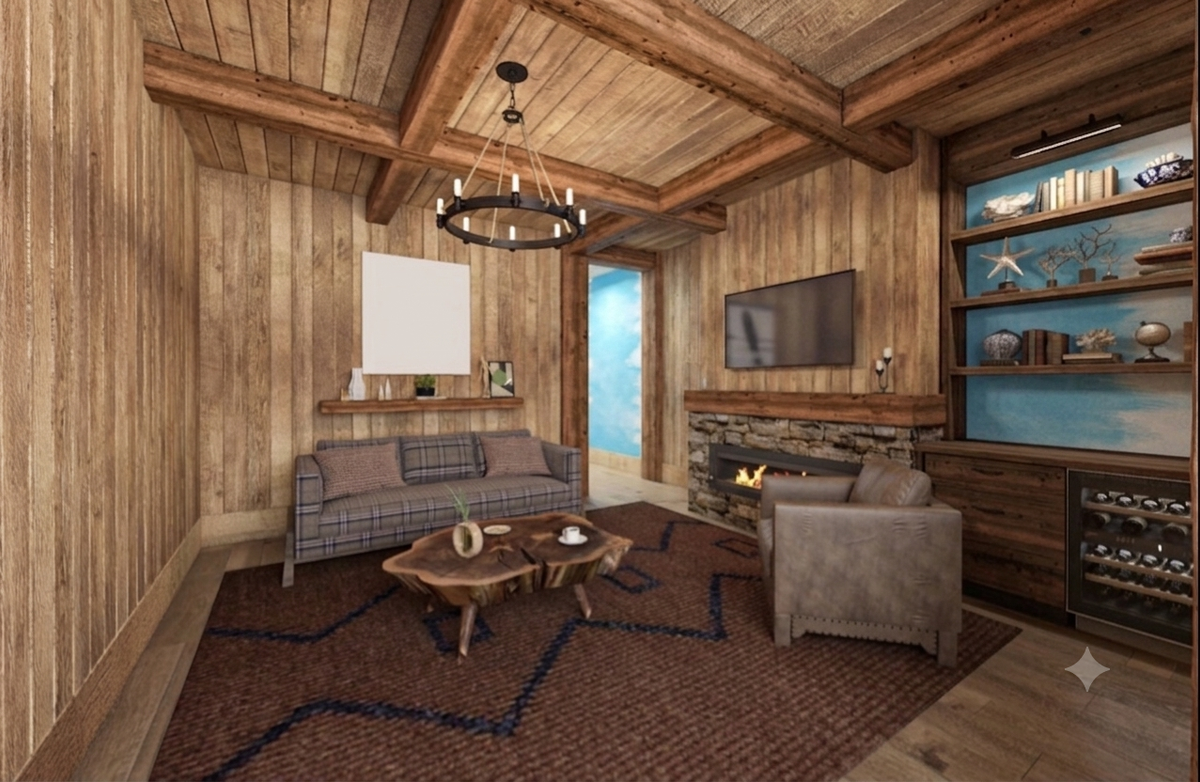
Discover how sustainable resort design transforms reclaimed materials into luxury lodge decor. Lower your fit-out costs by 30% with circular strategies.
High-end lodge design is quietly changing for the better. Modern luxury no longer depends on brand-new, factory-made items. Today, hotel owners use upcycled materials to create warm, authentic spaces. Reusing materials cuts setup costs by up to 30%. According to research, global adoption of reusable materials is set to hit $491 billion by 2035. This simple change keeps tons of trash out of landfills. Sustainable hospitality is moving beyond basic recycling. It now focuses on zero-waste design systems that keep materials in use forever.
Every year, thousands of hotels remodel their rooms and throw good items into local dumps. Old wooden walls, metal fixtures, and natural stones often end up in trash heaps to make room for new trends. Research from the Exeter Center for the Circular Economy shows that bought goods and supply chain materials cause up to 61% of a hotel’s total carbon pollution. However, travelers today are tired of plain, identical hotel rooms. They want unique rooms that feel connected to local culture and nearby nature.
By using upcycled materials in their design plans, lodge owners turn old trash into beautiful art pieces. Studies from the UN World Tourism Organization show that tourism creates about 5% of global CO2 emissions, with building materials being a huge part of that footprint.
Using local upcycled decor reduces long shipping delays and helps protect the planet. Old wood and metal have rich, real textures that tell a story as soon as a guest steps inside. It proves that eco-friendly habits and luxury hotel design can easily work together.
The Circular Lodge Cycle Explained
The life cycle of circular lodge decor relies on three key stages. First, salvaged timber and natural stone are gathered from local sites. Second, local artisans upcycle these raw materials into bespoke furniture and art. Third, these custom pieces enrich the guest experience through authentic storytelling. Data cited in EHL Insights highlights that modular construction and material reuse reduce hotel building waste to just 2%. This continuous loop keeps high-quality materials in use while eliminating commercial landfill waste.
The Rise of Sustainable Resort Design in Hospitality & Tourism
Guests want immersive stories during their stays. They prefer authentic eco-lodges over generic luxury options. Booking.com research indicates that over 75% of global travelers actively seek eco-friendly accommodations. By using upcycled local elements, properties create genuine connections. Reclaimed hardwood becomes focal dining tables. Repurposed metal frames morph into striking lighting fixtures.
Integrating circularity into hospitality and tourism projects elevates guest perception. Industry data from the World Travel & Tourism Council estimates that total hospitality GDP impact will reach $11.7 trillion. It turns simple decor items into engaging conversation pieces.
Merging Upcycled Art with High-End Interiors
Upcycling is not about looking cheap or rustic. Skilled artisans refine salvaged materials into bespoke, high-value furnishings.
- Reclaimed Timber and Structural Elements
Old structures, railway sleepers, and fallen trees provide dense, durable timber. This wood offers rich textures that new timber cannot match.
- Upcycled Textiles and Heritage Weaves
Worn canvas and local fabric offcuts transform into custom cushions. Native weaving techniques bring warmth and texture into luxury suites.
- Waste-to-Art Sculptural Lighting
Scrap metals and discarded glass become custom chandeliers. These fixtures double as functional light sources and artistic statements.
Strategic Sourcing for Commercial Properties
Sourcing circular decor for large resorts requires clear structure and reliable partners.
- Establish Local Artisan Cooperatives: Partner directly with local craft guilds. This ensures consistent quality across bulk orders.
- Specify Material Certifications: Ensure salvaged hardwoods and textiles meet regional eco-compliance standards.
- Incorporate Modular Construction: Choose modular furniture designs. They allow easy repair, re-upholstery, or repurposing over time.
- Track Local Supply Chains: Source materials within a 100-mile radius. This reduces shipping emissions and supports local economies.
To provide updates on global design standards, hoteliers must balance style with durability. Observing current market trends shows that eco-conscious design directly drives guest loyalty in luxury hospitality and tourism.
Why Circular Decor Drives Profitability
A traditional linear design approach carries high initial costs and a heavy environmental footprint. In contrast, circular upcycled design delivers a material lifespan exceeding 12 years while reducing initial fit-out costs by 30%. Recent financial models demonstrate that energy and material efficiency strategies drastically cut operating overhead for commercial properties. It also generates very high guest engagement through unique, narrative-driven spaces. Circular practices lower long-term capital expenditure. Reusing structural components avoids rising material costs and supply chain delays.
Frequently Asked Questions
How does sustainable resort design reduce hotel renovation costs? Reusing timber, stone, and frames cuts raw material purchases. It also eliminates heavy landfill disposal fees.
Does upcycled interior decor meet commercial durability standards? Yes. Artisans treat salvaged hardwoods and metals to handle heavy commercial use in luxury lodges.
How does circular decor enhance the guest experience? It adds regional character and storytelling. Guests enjoy rich, authentic environments over generic spaces.
Transform Your Commercial Interiors Today
Ready to elevate your resort with circular interior solutions? Contact our team for bespoke design and sustainable sourcing consultation.
Call Us: +234 806 496 8725
Visit Our Website:www.thisisbusiness360.com