

Discover how elite eco lodges in Africa master water conservation in 2026. Learn brilliant water-saving engineering secrets from Namibian resorts.
The Namib Desert glows with scorching orange dunes and bone-dry clay plains. Rain is incredibly rare here. According to the Namibia Meteorological Service, some coastal desert areas receive under 15 millimeters of rain annually. Yet, luxury Hospitality & Tourism operators thrive in this harsh, hyper-arid space.
How do they survive without draining the earth dry? The answer lies in clever engineering and a deep respect for natural resources. In 2026, saving water is no longer just an environmental choice but a vital business strategy.
We provide updates on how these remote destinations run highly profitable businesses using very little water. A World Travel & Tourism Council report shows that tourism accounts for over 10% of Namibia's economy. By adopting these methods, global hospitality brands can significantly lower overhead costs.
How Desert Lodges Are Built
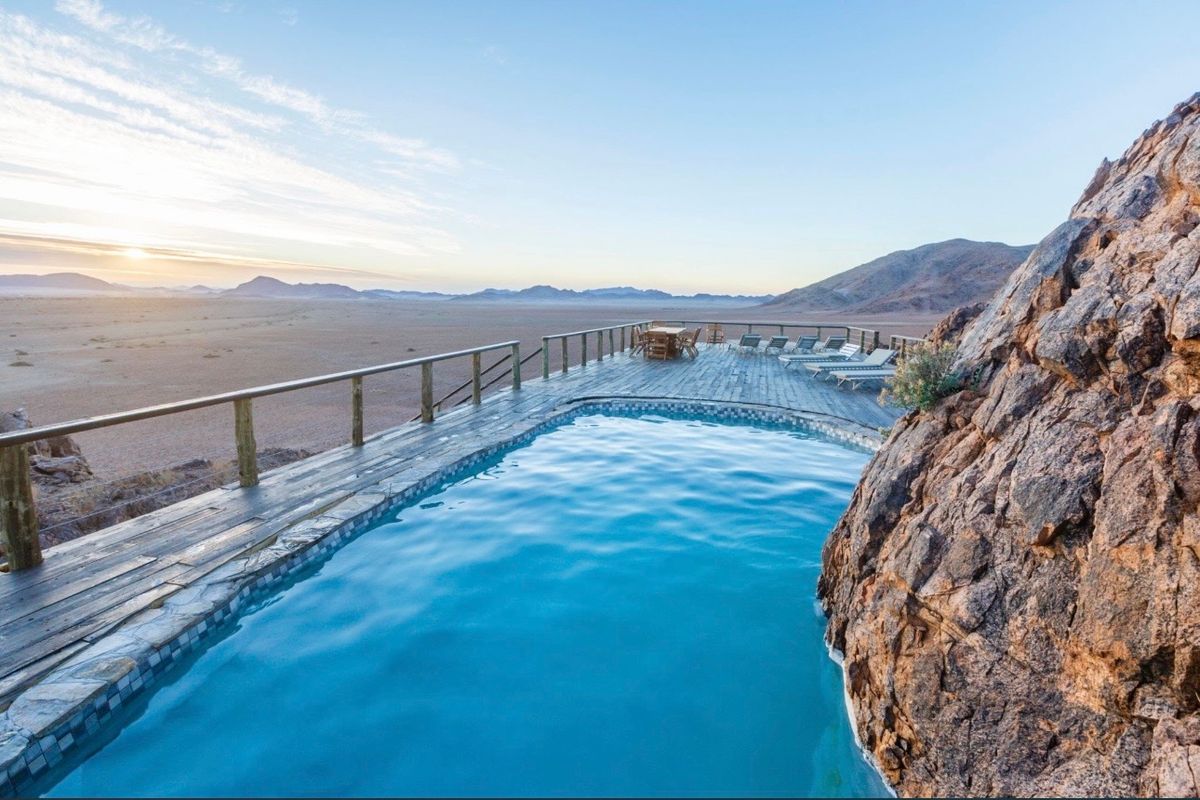
To understand this success, look at how these structures sit on the landscape. Many top-tier lodges are perched on rocky mountainsides. They overlook vast, shimmering gravel plains. Instead of building massive, wasteful pools, designers carve small plunge pools directly into natural stone. These pools have very small surface areas. This smart design dramatically reduces evaporation under the harsh desert sun. Water is kept cool, clean, and perfectly insulated.
Why Water Costs So Much
Traditional luxury resorts often consume vast amounts of water. The United Nations Environment Program reports that average hotel guests in dry areas use 1,500 liters of water per day. In hyper-arid regions, trucking in fresh water is expensive. It is also highly inefficient. Fierce environmental realities force Namibian operators to think differently. Successful eco-lodges in Africa treat water as a circular resource. They do not just consume it. They capture, clean, and reuse every single drop.
A landmark Namibia Ministry of Agriculture study reveals that standard resorts use 15 to 175 times as much water as eco-camps. This shocking difference highlights the power of sustainable design. Furthermore, research in the Hydrological Sciences Journal notes that evaporation rates in these zones exceed rainfall by a factor of 6.
Smart Ways to Save Water
How do these remote, high-end resorts function so smoothly? They use a blend of simple habits and high-tech systems.
- Cleaning and Reusing Water
Water from showers and sinks does not go to waste. Eco-resorts route this greywater through natural reed beds and sand filters. Once cleaned, this water irrigates native desert plants. It also provides waterholes for local wildlife.
- Letting Gravity Do the Work
Pressure pumps use a lot of energy and can cause leaks. Smart lodges place water tanks on high ridges. Gravity naturally delivers water to guest cabins. They also install low-flow aerators on all taps and showerheads. This simple change cuts water usage in half without ruining the guest experience.
- Tracking Every Single Drop
You cannot manage what you do not measure. Top-tier operators install smart meters across their properties. These digital meters track flow rates in real time. They quickly flag hidden underground pipe leaks before precious water is lost.
New Trends in Green Travel
Today's travelers want to support responsible businesses. Modern tourists actively look for green credentials. They want to see how properties protect local ecosystems. The Booking.com Sustainable Travel Report states that 75% of global travelers prefer green accommodations. Sustainable water management boosts your bottom line. First, it creates massive operational efficiency. You drastically cut utility bills and water transport costs.
Second, green practices build an incredible brand reputation. Eco-conscious travelers gladly pay premium rates for responsible luxury. Finally, these steps ensure easy compliance with local environmental laws. Water conservation is now a premium marketing tool. Guests happily pay more to stay at places like Etendeka Mountain Camp. They love knowing their luxury vacation does not harm the desert. This clever approach proves that sustainability drives business growth.
Simple Tips for Your Business
You do not need to run a desert lodge to benefit from these tactics. Any Hospitality & Tourism business can save money by using these three simple steps:
- Install smart flow meters to find and fix hidden leaks early.
- Harvest rainwater from roofs to water gardens and clean outdoor areas.
- Gently educate guests about local water scarcity to encourage shorter showers.
Frequently Asked Questions
Do eco lodges in Africa compromise on guest comfort to save water? Not at all. Modern fixtures deliver a high-pressure feel while using half the water. Guests still enjoy a premium, luxury experience.
Is recycling greywater safe for desert resort guests? Yes. Multi-stage filtration and natural reed beds thoroughly clean the water. It is perfectly safe for irrigation and wildlife watering.
How fast can a business see a return on water-saving technology? An International Water Association study shows greywater systems pay for themselves within 18 months. Most properties recover installation costs quickly through lower bills.
Ready to Upgrade Your Business?
We help brands design sustainable, high-efficiency business models. Let us help you cut operational costs and attract modern, eco-conscious clients.
Call us today: +234 806 496 8725
Visit our website:www.thisisbusiness360.com