

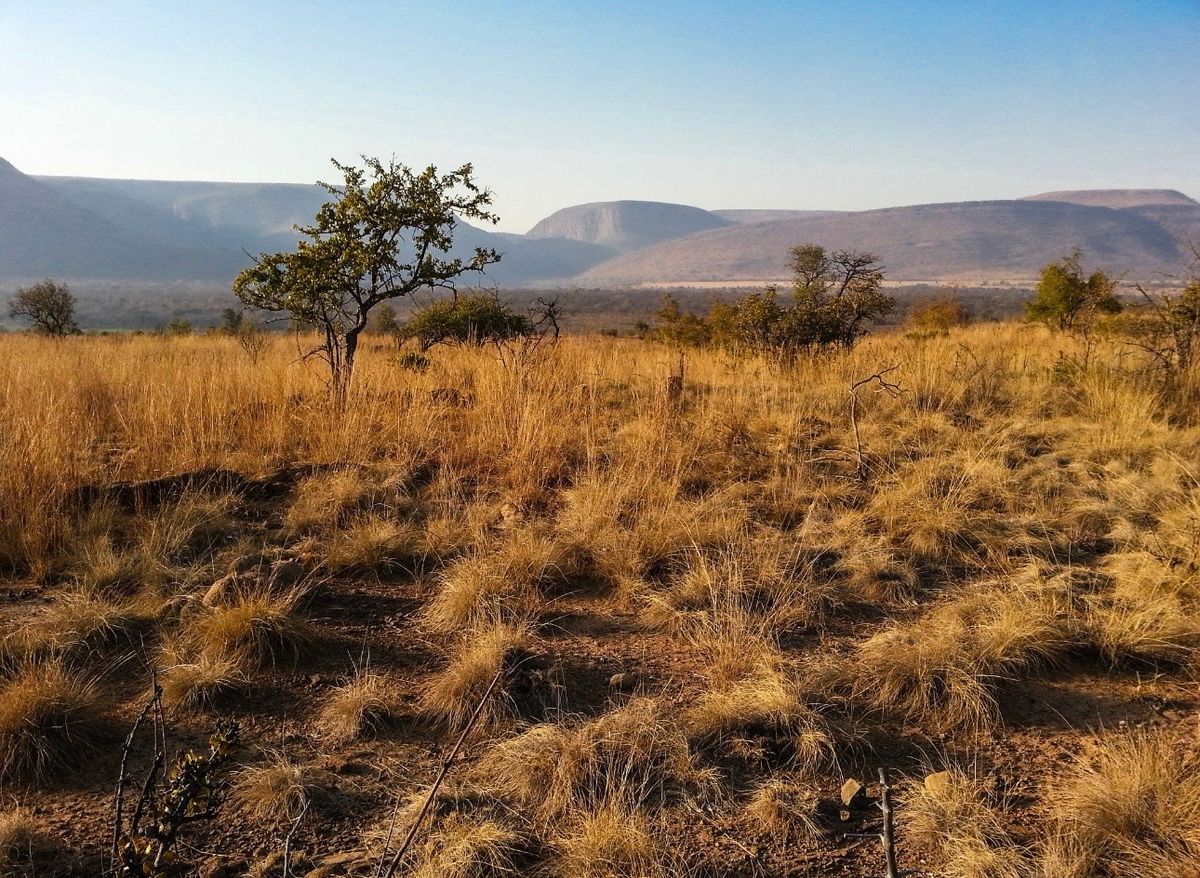
Discover how eco-tourism in Africa transforms ruined farmland into thriving reserves. See real rewilding wins and market trends for 2026!
Exhausted soil, barren pastures, and lost biodiversity once defined overused agricultural plots. Today, private eco-reserves are flipping the script across Africa. By buying degraded farmland, visionary conservationists are rewilding ecosystems and reviving native species.
Across regions hit hard by climate change and over-farming, public budgets often fall short of fixing ecological damage. Private initiatives fill this funding gap by purchasing exhausted agricultural plots and dedicating resources to land recovery. As a result, degraded landscapes become thriving ecosystems that generate sustainable economic value.
This operational model blends private capital, high-value travel, and ecological science. As a result, ruined ground becomes a thriving haven for flora and fauna. Guaranteed results mean guaranteed ecological returns for future generations.
The Damage of Overused Farmland
Decades of intensive farming drain vital nutrients from topsoil. Heavy tillage destroys soil microbiomes, while pesticides clear out native pollinators. Over time, crop yields plunge, leaving farmers with unproductive, dying land.
- Land Alteration Metric: According to UNEP research reports, human activities have significantly altered over 75% of the Earth's terrestrial land surface.
- Global Population Impact: Over 3.2 billion people worldwide are adversely affected by land degradation, as documented in IPBES global assessment data.
- Economic Cost: Global land degradation inflicts an annual economic toll of between $6.3 trillion and $10.6 trillion in lost ecosystem services, according to UNCCD economic studies.
Instead of abandoning these degraded plots, private eco-reserves step in. They acquire exhausted properties to jumpstart ecological succession.
How Private Reserves Bring Nature Back
Restoration is not mere tree-planting. It requires systematic active and passive intervention to rebuild whole ecosystems.
Healing the Soil and Water
First, conservationists stop mechanical tilling and chemical application. They unblock natural waterways and construct earthworks to slow down rainwater. As a result, groundwater recharges, and beneficial soil fungi quickly return.
Bringing Back Local Plants and Wildlife
Next, reserve managers remove invasive weeds and plant pioneer native vegetation. Once habitat corridors reopen, key herbivore species return. Grazing animals naturally fertilize soil, which speeds up total ecological recovery.
New Trends in Private Green Investment
Private funding now powers major global conservation targets. In 2026, current market trends point toward blended finance models in conservation. Private operators leverage high-end, low-impact travel to fund long-term reserve care.
- Biodiversity Risk Factor: Agricultural expansion alone drives over 90% of projected terrestrial biodiversity loss globally, based on Convention on Biological Diversity findings.
- Global Forest Allocations: The FAO global resource assessments report that 482 million hectares of forest worldwide are designated primarily for biodiversity conservation.
- Extinction Pressure: Agriculture directly threatens 24,000 of the 28,000 species at risk of extinction, according to Chatham House environmental data.
Furthermore, eco-reserves offer sustainable revenue for nearby communities. Local jobs replace land-clearing incentives, ensuring lasting support for wild spaces.
Measurable Biodiversity Metrics Achieved Through Rewilding Initiatives
Data proves that rewilding degraded farmland yields swift, measurable outcomes. Research published via scientific research hubs highlights key recovery indicators on former agricultural plots:
- Soil Microbial Biomass: Increases by up to 300% within five years of stopping chemical use, per soil microbiology field research.
- Species Richness: Native bird and insect populations routinely double within three seasons of natural habitat restoration.
- Water Retention: Restored topsoil retains up to 40% more moisture, significantly reducing drought impact during dry seasons.
- Carbon Storage: Re-vegetated fields store up to 296 gigatonnes of carbon globally across forest soils and vegetation, according to FAO forest carbon databases.
How Tourism Pays for Wildlife Recovery
High-end safaris provide financial fuel for landscape-scale recovery. Through sustainable Hospitality & Tourism, eco-reserves earn steady operational capital without relying solely on grants. Guests pay premium rates for low-impact wildlife encounters. Every booking directly finances anti-poaching patrols, habitat monitoring, and land expansion. Ultimately, this model shows that hospitality and tourism can reverse environmental destruction while building durable local economies.
The Big Impact of Eco Tourism Africa
The steady growth of eco-tourism in Africa has transformed conservation financing models across the continent. Former cattle ranches now act as vital corridors for endangered species like cheetahs and rhinos.
- African Protected Forests: Africa leads global regions with 130 million hectares of forest allocated for biodiversity conservation, as detailed in FAO global forest metrics.
- Private Reserve Networks: Protected and conserved lands globally now encompass over 261,000 designated areas, as tracked by the IUCN.
Travelers choose destinations that provide updates on habitat restoration goals. As a result, eco-reserves deliver verifiable conservation results alongside world-class stays.
Good News for Local Towns and People
The shift from agriculture to conservation creates resilient economic networks. Former farmworkers find stable careers as rangers, tracking experts, and hospitality managers. Eco-reserves frequently fund community wells, healthcare facilities, and local schools. Sustainable land management thus protects human wellbeing alongside regional wildlife populations.
Easy Steps for Landowners and Travelers
Whether managing land or planning a trip, you can back rewilding efforts effectively.
- Support Verified Reserves: Book stays with reserves that report public ecological data.
- Prioritize Native Vegetation: Landowners should clear alien flora to accelerate natural succession.
- Engage Local Communities: True conservation requires local job creation and fair employment practices.
- Track Conservation Goals: Choose destinations that provide updates regarding their long-term rewilding progress.
Frequently Asked Questions
How long does it take degraded farmland to fully recover? Initial soil recovery occurs in three to five years. However, full ecosystem restoration usually requires fifteen to thirty years.
How does eco-tourism in Africa fund private reserves? Guest fees, luxury lodge stays, and conservation levies fund daily land management, fencing, and wildlife protection.
Can small landowners adopt rewilding practices? Yes. Setting aside marginal land, stopping pesticide use, and planting native flora helps rebuild regional biodiversity corridors.
What are the top market trends in conservation finance? Current models rely heavily on high-end ecotourism, carbon offset credits, and public-private biodiversity partnerships.
Take Action with Business 360
Ready to scale your eco-reserves project or market sustainable tourism ventures? We help green brands build reach, drive traffic, and boost conversions.
Call us directly: +234 806 496 8725
Visit our website:www.thisisbusiness360.com