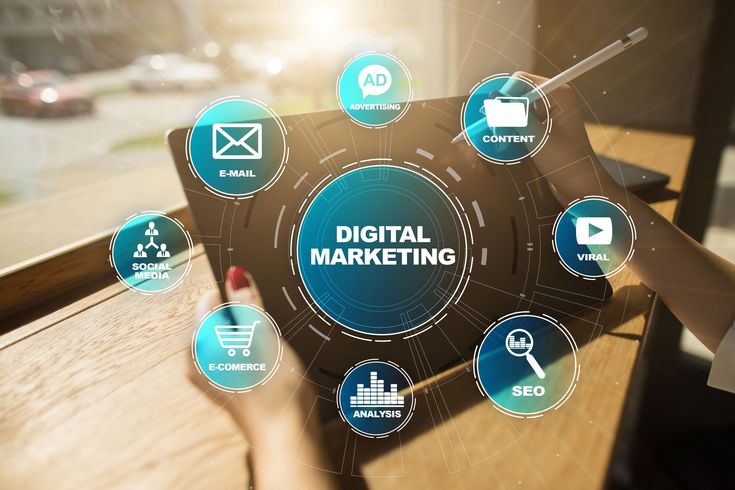
Marketing communications has transformed from a support function into the primary driver of business survival in the digital economy. Marketers worldwide are on track to spend $1.16 trillion in 2025, a 6.5% increase from 2024 levels, according to Data Reportal's analysis of Statista data. This massive investment reflects a fundamental truth: businesses lacking innovative communication strategies become invisible to customers who conduct entire purchase journeys online. Traditional marketing approaches designed for broadcast media simply cannot compete in environments demanding personalized, interactive, and omnichannel engagement strategies.
M360 Solutions understands that market relevance in the digital economy depends entirely on communication excellence across rapidly evolving platforms. By 2026, smartphones will drive 69% of total ad spending, according to Demand Sage research, making mobile-first communication strategies essential rather than optional. Companies partnering with experienced marketing communications company specialists gain access to expertise, technologies, and strategic frameworks that individual businesses struggle to develop internally. The competitive advantage that innovative marketing communications creates compounds over time, widening the gap between market leaders and struggling followers.
The Visibility Crisis: Getting Lost in Digital Noise
The digital economy creates paradoxical challenges in which unlimited access to content actually reduces individual message visibility and impact. Consumers encounter thousands of marketing messages daily across websites, social media, email, video platforms, and mobile applications. Generic communications blend into this overwhelming noise, wasting budgets whilst simultaneously training audiences to ignore your brand entirely. Businesses lacking distinctive voices, compelling narratives, and strategic platform selection find their messages drowned out by competitors who communicate more effectively.
Search engine algorithms prioritize content demonstrating expertise, authority, and genuine helpfulness over keyword-stuffed promotional material lacking substance. Social media platforms reward engagement-driving content whilst suppressing obvious advertising that users actively ignore or report negatively. Email inboxes filter generic promotions into spam folders before recipients ever see them, making deliverability a challenge in its own right. M360 Solutions helps businesses cut through digital noise by crafting authentic, valuable communications that audiences welcome rather than avoid.
The Personalization Imperative: Moving Beyond Mass Marketing
Modern consumers expect brands to recognize their preferences, purchase histories, and individual needs rather than treating them as interchangeable segments. Mass marketing communications designed for broad audiences feel increasingly tone-deaf to recipients accustomed to Netflix recommendations, Amazon suggestions, and Spotify playlists. Generic messaging suggesting businesses view customers as statistics rather than individuals erodes trust while simultaneously dramatically reducing response rates. The gap between personalization expectations and actual delivery leaves the organization vulnerable to competitors offering more tailored communication.
Data analytics and marketing automation technologies enable personalization at scale previously impossible through manual segmentation and individual outreach alone. Customer relationship management systems track interactions across touchpoints, creating unified profiles that inform relevant, contextual communications throughout the entire customer lifecycle. Dynamic content adapts automatically based on recipient characteristics, behaviors, and engagement patterns, without requiring separate campaigns for each variation. Marketing communications company specialists implement these sophisticated technologies while ensuring privacy compliance and genuine value exchange that customers recognize immediately.
The Trust Deficit: Building Credibility Through Authentic Communications
Consumer skepticism toward marketing claims has reached unprecedented levels following decades of exaggerated promises and disappointing product experiences. Traditional advertising, which emphasizes features and benefits, fails to convince audiences that demand social proof, authentic reviews, and transparent business practices. Generic corporate communications lacking personality feel manufactured and insincere to audiences, increasingly valuing authenticity over polish in brand interactions. The credibility gap between what businesses claim and what customers believe prevents effective communication regardless of message quality or frequency.
Content marketing demonstrating genuine expertise through helpful information builds trust that pure promotion cannot achieve in skeptical markets. User-generated content, customer testimonials, and case studies provide social proof far more persuasive than brand-created claims ever accomplish. Transparent communication that acknowledges limitations, addresses concerns honestly, and admits mistakes actually strengthens credibility rather than weakening it in the eyes of savvy consumers. M360 Solutions guides businesses toward authentic communication strategies that build rather than erode the trust essential for sustained relationships.
The Omnichannel Challenge: Maintaining Consistency Across Platforms
Customers interact with brands through multiple touchpoints, including websites, mobile apps, social media, email, physical locations, and customer service channels. Disconnected communication, delivering inconsistent messages, branding, or information across channels, frustrates customers whilst projecting an unprofessional image, damaging credibility. Channel-specific strategies that lack coordination create jarring experiences as customers transition between touchpoints during single-purchase journeys or relationship cycles. The complexity of managing coherent communications across diverse platforms overwhelms businesses lacking specialized expertise and integrated technology infrastructures.
Successful omnichannel marketing communications require a centralized strategy combined with platform-specific execution, respecting each channel's unique characteristics and audience expectations. Integrated marketing platforms coordinate messaging, timing, and branding across touchpoints whilst enabling channel customization, preventing one-size-fits-all approaches that ignore context. Customer journey mapping reveals optimal touchpoint sequences and channel preferences, informing strategic resource allocation across platforms to deliver the highest engagement. Marketing communications company partners provide both strategic guidance and technical implementation, ensuring seamless experiences regardless of customer platform choices.
FAQ: Common Questions About Marketing Communications in the Digital Economy
Why can't businesses handle marketing communications internally without external specialists?
Internal teams often lack diverse platform expertise, access to advanced technology, and the capacity for continuous learning required for rapidly evolving digital environments. Specialists bring cross-industry insights, established vendor relationships, and a dedicated focus that general employees cannot maintain alongside other responsibilities. External perspectives identify blind spots and opportunities that internal teams miss due to familiarity with current approaches and organizational politics.
What makes marketing communications different from traditional advertising?
Marketing communications encompasses comprehensive relationship-building across the entire customer lifecycle rather than one-way promotional messaging focused solely on sales. Modern approaches prioritize dialogue, value delivery, and community building over the interruption and persuasion tactics that characterize traditional advertising. Digital platforms enable measurement, personalization, and interactivity that were impossible through broadcast media, which defined historical advertising approaches.
How do businesses measure marketing communications effectiveness?
Engagement metrics, including click rates, time spent, shares, and comments, reveal whether content resonates meaningfully with intended audiences. Conversion tracking connects communications to specific business outcomes, including leads, sales, and customer lifetime value, demonstrating commercial impact. Attribution modeling identifies which touchpoints and messages contribute most effectively to customer journey progression and final conversion events.
What role does content quality play in digital marketing communications?
High-quality content establishes expertise, builds trust, and drives organic discovery through search engines and social sharing far more effectively than paid distribution alone. Poor content wastes audience attention whilst damaging brand reputation through association with low-value experiences that customers increasingly avoid. Quality compounds over time as evergreen resources continue attracting audiences months and years after initial publication, unlike ephemeral paid campaigns.
How frequently should businesses update their marketing communications strategies?
Quarterly strategy reviews ensure approaches remain aligned with platform algorithm changes, competitor actions, and evolving customer behaviors affecting effectiveness. Major platform shifts, product launches, or market disruptions warrant immediate strategy reassessment rather than waiting for scheduled review cycles. Continuous testing and optimization within established strategic frameworks enables adaptation without requiring complete overhauls, disrupting momentum and team execution.
Practical Implementation: Your Marketing Communications Action Plan
Audit current communications across all channels, identifying inconsistencies, gaps, and opportunities for improvement based on customer journey analysis and competitive benchmarking. Establish clear brand voice guidelines to ensure consistent personality, tone, and messaging across platforms, authors, and campaign types. Invest in integrated marketing platforms centralizing customer data, campaign management, and performance analytics, enabling coordinated omnichannel execution and measurement.
Develop content calendars that align communications with customer needs at different journey stages, rather than purely promotional calendars driven by internal priorities. Implement personalization technologies enabling relevant, contextual messaging at scale without requiring unsustainable manual segmentation and campaign creation for each variation. Build measurement frameworks that connect communications activities to business outcomes, enabling data-driven optimization and resource-allocation decisions over time.
Train internal teams on platform best practices, content creation fundamentals, and strategic thinking, whilst partnering with specialists to deliver advanced capabilities and ongoing optimization. Create feedback loops that capture customer responses, market reactions, and performance data, informing continuous refinement of the communication strategy and tactical adjustments. Test innovative approaches systematically through controlled experiments, scaling successful tactics whilst quickly abandoning initiatives failing to deliver expected results.
Cultivate authentic brand storytelling, highlighting customer successes, employee voices, and genuine company values rather than generic promotional messaging lacking credibility. Engage communities through dialogue, user-generated content, and co-creation opportunities, transforming audiences from passive recipients into active brand participants and advocates. Monitor competitive communications, identifying differentiation opportunities whilst avoiding strategic blind spots where rivals excel beyond your current capabilities.
Transform Your Marketing Communications for Digital Economy Success
M360 Solutions specializes in helping businesses develop and execute innovative marketing communications strategies that deliver measurable results in the digital economy. Our team combines deep platform expertise with strategic business acumen, ensuring your communications investments generate returns whilst positioning your brand for sustainable competitive advantage. We understand that effective marketing communications company partnerships require more than tactical execution; they demand strategic alignment with your unique business objectives, customer needs, and market position.
Whether you need comprehensive communications strategy development, omnichannel campaign execution, content creation support, or ongoing performance optimization, we provide customized solutions matching your current situation and growth ambitions. Our collaborative approach ensures your internal team develops capabilities alongside external support, building organizational marketing maturity that persists beyond any single campaign or project. Don't let competitors capture market share through superior communications whilst your business relies on outdated approaches, unnecessarily limiting growth potential.
Call us today at +2348064968725 to discuss how innovative marketing communications can strengthen your market relevance and accelerate business growth in the digital economy. Visit www.m360solutionsgroup.com to explore detailed case studies, access free communications assessment tools, and learn more about our comprehensive marketing communications services. Your customers expect exceptional communication experiences that reflect modern standards and demonstrate a genuine understanding of their needs. Let M360 Solutions help you deliver them consistently whilst building a sustainable competitive advantage that effectively protects and grows your market position through strategic marketing communications excellence.
Discover why marketing communications company expertise matters in the digital economy. Learn innovative strategies driving brand relevance and growth.