
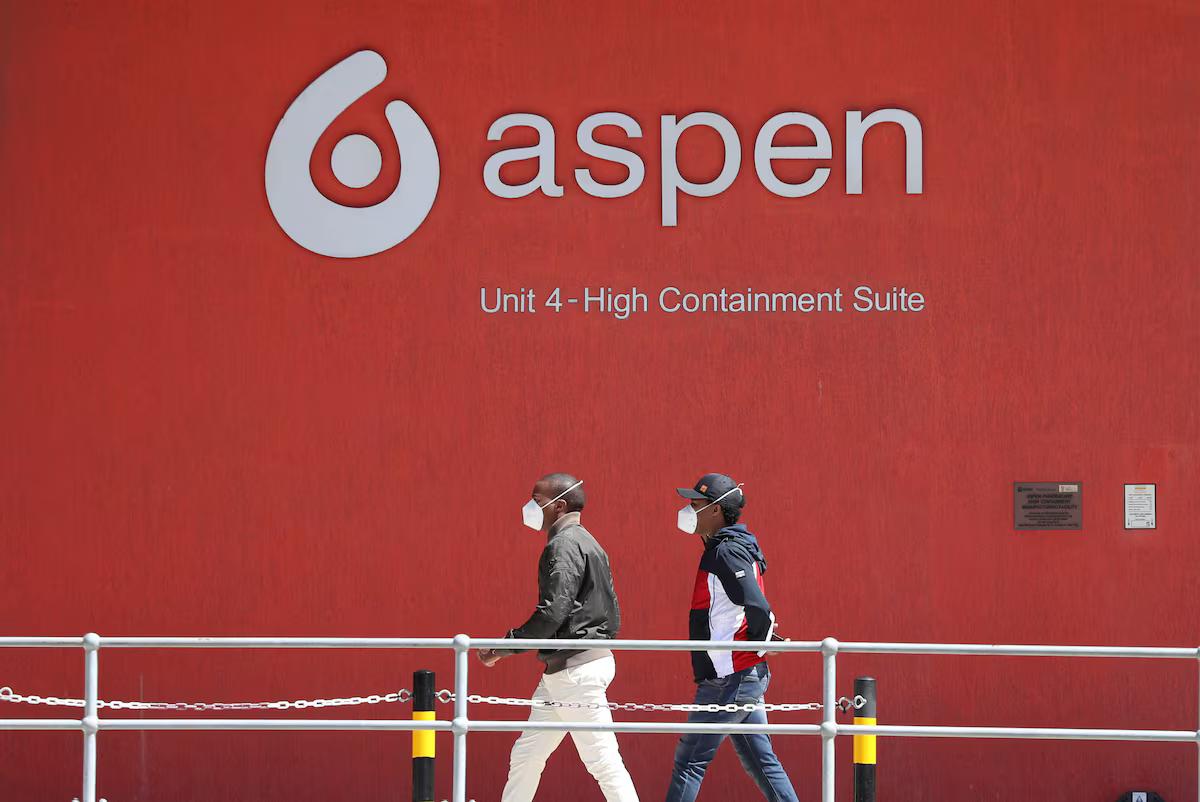
South Africa’s premier pharmaceutical giant is currently weathering a complex financial recalibration as it sacrifices short-term margins to secure long-term manufacturing dominance.
Aspen Pharmacare reported a 21% decline in normalised headline earnings for the six months ended 31 December 2025, primarily due to heavy one-off restructuring costs and the absence of a lucrative pandemic-era contract.
While the figures may appear jarring to casual observers, the underlying narrative is one of aggressive structural reshaping intended to pivot the group toward high-growth sectors such as weight-loss injectables and insulin production.
The headline drop saw normalised headline earnings per share (NHEPS) fall to 574.8 cents, down from 724.2 cents in the prior comparable period. This contraction was largely fuelled by a R695 million hit taken to streamline sterile manufacturing facilities in both South Africa and France.
These sites, which specialise in producing medicines entirely free from microorganisms, have been under pressure to improve efficiency as the global market for contract manufacturing shifts toward the United States in response to evolving tariff regimes.
Despite the earnings dip, Group CEO Stephen Saad remains steadfast in his projection of a double-digit profit recovery for the full 2026 financial year. The interim financial results reflect a business in the midst of a significant strategic pivot, moving away from the volatile mRNA vaccine volumes that buoyed previous years.
Management has characterised this period as transitional, with the benefits of current cost-cutting measures expected to begin flowing into the balance sheet by the second half of 2026 and reaching full realisation in 2027.
The manufacturing segment bore the brunt of the downturn, with normalised EBITDA for this division plunging 85% to R208 million, as revenue fell 26% in constant-currency terms.
This was exacerbated by the high base set in 2024, which included a R1.5 billion contribution from a now-canceled mRNA manufacturing contract. To mitigate this void, Aspen is aggressively pursuing new sterile contracts and preparing for the commercial production of insulin in its South African facility, which is slated for final regulatory approval in early 2026.
Conversely, the Commercial Pharmaceuticals division, the group's most substantial business segment, demonstrated remarkable resilience, posting an 11% surge in normalised EBITDA at constant exchange rates.
This growth was largely underpinned by the explosive demand for Mounjaro, a blockbuster weight loss and diabetes drug from Eli Lilly that Aspen distributes in South Africa.
According to market updates, the success of the GLP-1 receptor agonist market is becoming a central pillar of Aspen's strategy to offset manufacturing headwinds.
The group is also on the verge of a major liquidity event that promises to transform its capital structure. The pending Au$2.37 billion (R26.5 billion) divestment of its Asia Pacific business, excluding China, to BGH Capital is expected to close by May 2026.
This transaction is a strategic masterstroke designed to eliminate most of Aspen's R28.6 billion net debt. By stripping away these assets, the board intends to create the necessary balance sheet flexibility to fund future acquisitions and capital-intensive biotech projects.
Aspen's performance in China has also turned a corner, with the reshaped business there delivering improved profit contribution after years of regulatory and volume-based procurement challenges. This recovery, combined with strong organic growth across over-the-counter and prescription injectables, provides a diversified buffer against the costs of fixing the sterile manufacturing plants.
Market data from the Johannesburg Stock Exchange suggests that while the stock initially felt the weight of the interim report, long-term investors are focusing on debt reduction and the high-margin weight-loss portfolio.
The road ahead for Africa’s largest drugmaker involves a delicate balancing act between maintaining its status as a global manufacturing hub and capturing the lucrative biotech wave.
If the current restructuring efforts in France and Gqeberha successfully transition those facilities into profit centres by 2027, the R695 million one-off cost reported this week will likely be viewed as a necessary down payment on a much larger prize.
For now, the market waits to see if the second half of 2026 can indeed deliver the double-digit growth that Saad has so confidently promised.
Stay Informed: Visit our website for Breaking News and Insights.