
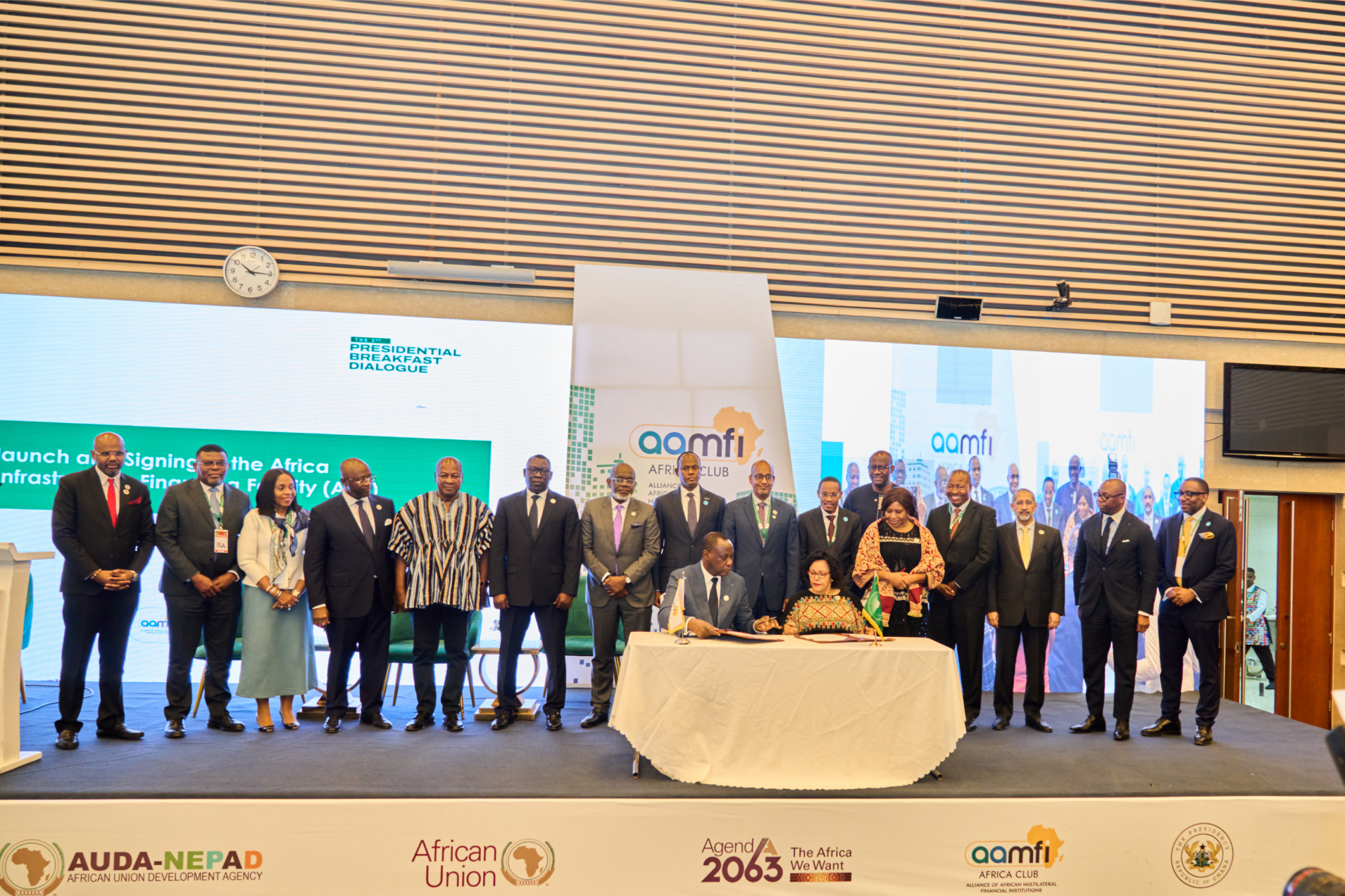
Africa is intensifying efforts to mobilize an estimated $2.5 trillion in domestic capital to accelerate cross-border infrastructure projects, in a strategic push aimed at reducing dependency on external funding and strengthening regional integration.
The initiative reflects growing recognition that the continent already holds significant financial resources within its pension funds, sovereign wealth funds, insurance institutions, and banking systems.
The strategy aligns with continental development priorities championed by the, which has consistently emphasized infrastructure as a foundation for economic transformation and trade expansion.
Leaders argue that improving transport corridors, power interconnections, and digital networks is essential for boosting intra-African commerce and industrial growth.
A key driver of this momentum is the implementation of the, designed to create a single market for goods and services across African countries. Officials say trade liberalization cannot achieve its full potential without reliable cross-border infrastructure, including highways, rail systems, energy pipelines, and broadband connectivity.
Financial experts note that Africa’s domestic capital base remains underutilized for large-scale infrastructure investment. Much of the continent’s institutional savings is invested in low-risk assets, often outside the region.
Policymakers now aim to design mechanisms that channel a greater share of these funds into structured infrastructure projects while maintaining safety and transparency standards.
It has played a central role in promoting infrastructure financing models that blend public and private capital. Through risk-sharing instruments and blended finance frameworks, the bank supports projects that may otherwise struggle to secure long-term funding.
Officials say these structures could help unlock domestic resources more efficiently.
Cross-border projects typically require coordination among multiple governments, regulatory systems, and financial institutions. This complexity often delays implementation.
By tapping regional capital pools, African leaders hope to streamline funding arrangements and reduce reliance on fragmented external financing packages.
Infrastructure gaps across the continent remain significant. Limited road connectivity between neighboring countries increases transport costs, while energy deficits constrain industrial output.
Digital infrastructure disparities also affect innovation, e-commerce, and financial inclusion. Analysts argue that addressing these challenges will require sustained investment rather than short-term interventions.
Mobilizing domestic capital is seen as both a financial and governance challenge. Experts emphasize the need for strong regulatory frameworks, credible project pipelines, and transparent procurement systems.
Without clear standards, institutional investors may remain cautious about committing long-term funds to infrastructure assets.
Public-private partnerships are expected to play a major role in this strategy. By combining government backing with private sector efficiency, such partnerships can help distribute risk while improving project delivery. However, stakeholders stress that successful implementation depends on policy stability and predictable returns.
Economic observers say the shift toward internal capital mobilization represents a broader evolution in Africa’s approach to development financing. Rather than viewing infrastructure solely as dependent on foreign loans or aid, governments are increasingly positioning domestic savings as a primary engine of growth.
If effectively implemented, the strategy could shorten project timelines, reduce financing costs, and enhance regional trade flows. Improved infrastructure would also support job creation, industrial expansion, and value-added manufacturing, which are key priorities under continental development agendas.
While challenges remain, including regulatory harmonization and investor confidence, momentum is building around the concept of self-financed growth.
Policymakers believe that aligning domestic capital with regional infrastructure needs could mark a turning point in how Africa funds its development ambitions.
As discussions continue among governments, financial institutions, and development partners, attention will focus on translating strategic commitments into bankable projects that deliver measurable economic impact across borders.
Stay Informed: Visit our website for Breaking News and Insights.