
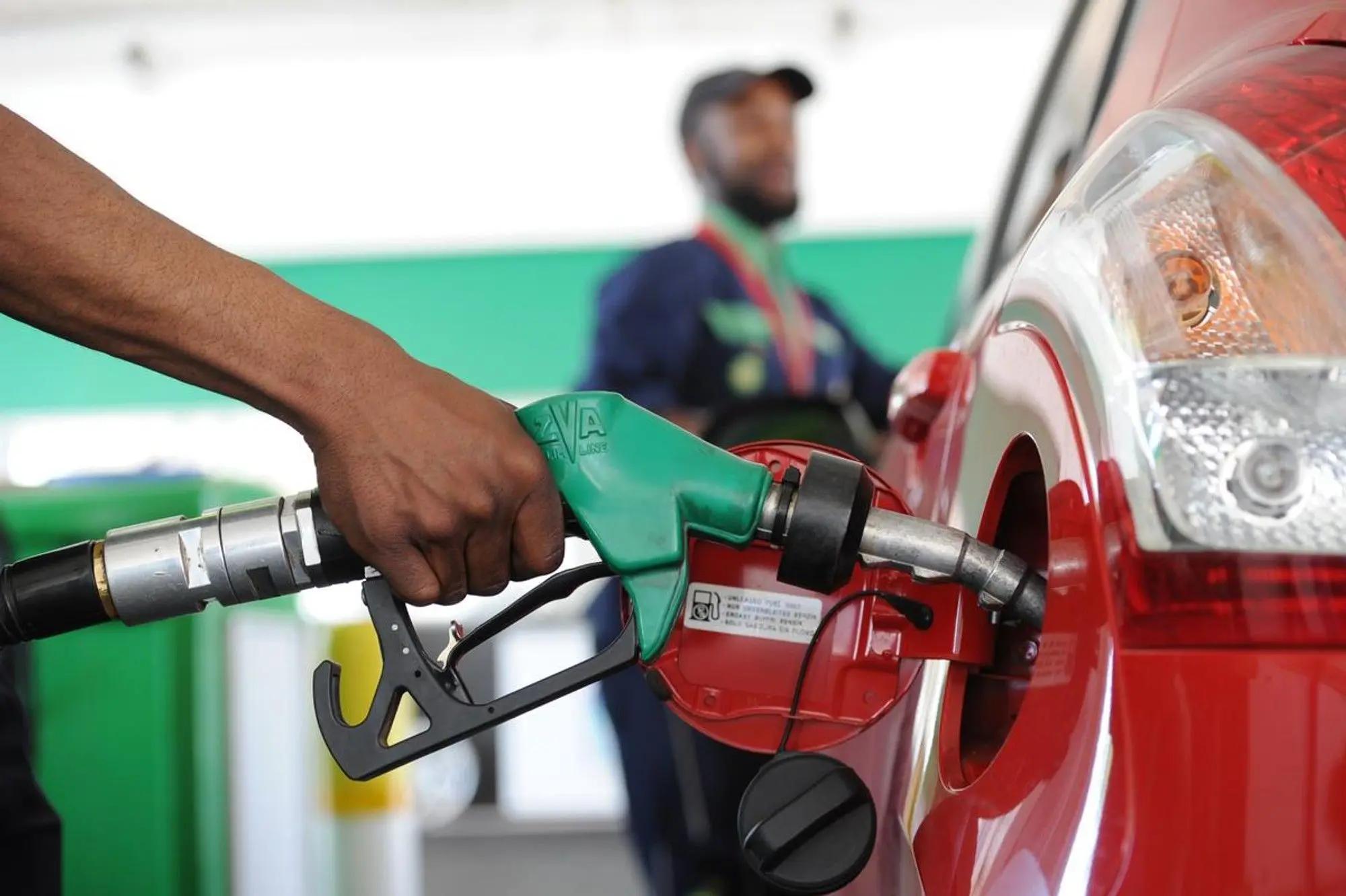
Fuel costs in Nigeria are under renewed pressure as President Bola Ahmed Tinubu ordered the nationwide rollout of 100,000 Compressed Natural Gas (CNG) conversion kits, while Dangote Petroleum Limited announced a modest reduction in petrol prices, amid ongoing global oil market volatility.
The dual developments were communicated from Abuja and Lagos, respectively. The government initiative aims to accelerate the adoption of cheaper and cleaner CNG for vehicles, offering relief to commuters and logistics operators facing escalating pump prices.
Dangote’s price adjustment seeks to partially shield consumers from record-high international crude prices, which have recently pushed Brent above $100 per barrel.
“This strategic deployment of CNG kits underscores the Federal Government’s commitment to mitigating the impact of fuel inflation on Nigerians,” said Ajuri Ngelale, Special Adviser to the President on Media and Publicity, in a statement released in Abuja on March 11, 2026. “It provides a viable alternative for transportation and industrial fuel usage.”
According to the Nigerian Midstream and Downstream Petroleum Regulatory Authority (NMDPRA), average petrol pump prices have risen by 12 percent over the past six weeks, reflecting international oil volatility and local logistics pressures.
Dangote Petroleum Limited announced a reduction of N10 per litre on petrol sold at its retail stations in Lagos and Abuja starting Wednesday, a move described by company spokesperson Olayinka Oladipo as “a temporary measure to ease consumer burden while market conditions stabilize.”
Nigeria is Africa’s largest oil producer but remains heavily reliant on imported refined products. The CNG initiative leverages domestic gas reserves estimated at over 200 trillion cubic feet, offering a cheaper alternative for commercial transport fleets and small businesses dependent on road logistics.
CNG conversion is projected to cut fuel expenses by up to 60 percent, according to energy sector analysts.
The concurrent rise in fuel costs and partial relief measures has immediate implications for SMEs, logistics operators, and household transportation budgets. Higher operational costs threaten to increase freight rates and consumer prices, while CNG adoption presents new investment opportunities in vehicle conversion, maintenance services, and gas refueling infrastructure.
Energy economists warn that sustained international oil volatility, compounded by regional supply constraints, could continue to drive domestic fuel price fluctuations. Both government interventions and private-sector adjustments will likely influence pricing trends in the coming weeks.
Stay Informed: Visit our website for Breaking News and Insights.