
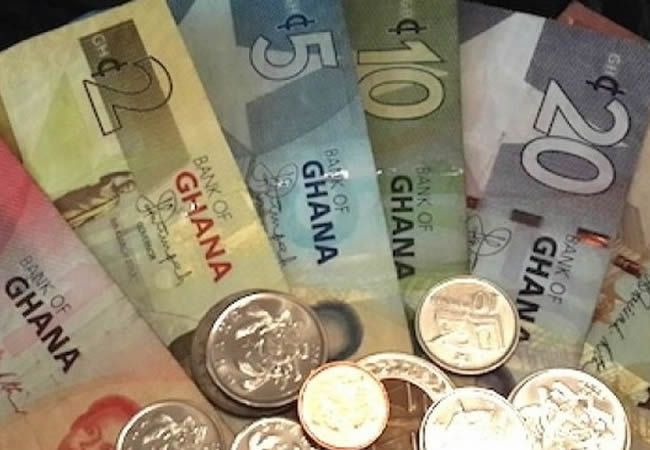
Twelve months ago, the Ghana cedi was the most celebrated currency story on the African continent. Today it is the most cautionary one. After appreciating by more than 40% against the US dollar in 2025, the first annual gain in nearly 33 years, the cedi emerged as Africa's best-performing currency, restoring investor confidence, slowing inflation to single digits, and becoming a symbol of Ghana's recovery from the debt crisis that pushed it into an IMF bailout. By July 28, 2026, that narrative had fully reversed. Data compiled by African Markets show the cedi has depreciated 11.6% against the dollar this year, making it the poorest-performing currency among 17 African currencies tracked and the weakest on the continent.
The velocity of the reversal is what makes it striking. A currency that gained 40% in a year has surrendered roughly a quarter of those gains in seven months, and the trajectory has been consistently downward since January without a sustained recovery.
Reuters, citing LSEG market data, attributed the cedi's decline to persistent corporate foreign currency demand, particularly from Ghana's energy sector, which has been drawing heavily on dollar liquidity and overwhelming the supply available through official channels. The depreciation has raised fresh concerns over the disconnect between Ghana's improving economic indicators and the behaviour of the local currency, with inflation having eased significantly in recent months while the exchange rate continued to weaken regardless.
The structural vulnerability beneath the 2025 rally was always present, even when the headline number looked exceptional. The cedi's 40% appreciation was driven significantly by the restoration of market confidence following debt restructuring, an IMF programme disbursing tranches on schedule and strong gold export earnings that built reserves to nearly $14 billion by end-2025.
Those conditions were favourable, not permanent. Fitch Solutions warned at the start of 2026 that while gold prices and reserves should support relative stability, the currency remained highly vulnerable to any downturn in commodity markets, with the Minerals Income Investment Fund projecting a moderate depreciation range of GH₵10.12 to GH₵13.15 per dollar for the year. The cedi is already near the weaker end of that band.
The performance places the cedi at the bottom of the nine currencies circulating across the West African sub-region, including the CFA franc shared among eight member countries of the monetary union, an outcome that would have seemed implausible when Accra was being cited as a model of currency stabilisation in late 2025.
The cedi's rapid reversal is therefore less a verdict on Ghana's reforms than a reminder of the vulnerability of frontier-market currencies to external shocks. For policymakers, the priority will be preserving confidence by ensuring adequate foreign exchange liquidity while maintaining the fiscal and monetary discipline that transformed the cedi into Africa's best-performing currency only months ago.
The lesson the cedi's 2026 trajectory carries for every African currency reform programme, including Nigeria's own naira stabilisation effort, is uncomfortable but important: a currency that recovers on the back of improved sentiment and commodity revenues is not the same as a currency underpinned by diversified export earnings and deep capital markets. When the sentiment shifts or the commodity tailwind fades, the exchange rate remembers what the fundamentals actually are. Ghana is finding that out in real time, in the same year it was being held up as proof that the fundamentals had changed.
Stay Informed: Visit our website for Breaking News, Intelligence, and Insight.