
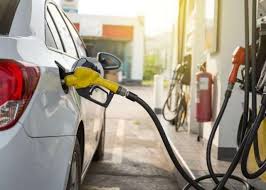
Ghana stands to forfeit an estimated GH¢422 million in monthly revenue following the government's decision to slash taxes and levies on petroleum products, the Centre for Environmental Management and Sustainable Energy (CEMSE) has warned, raising fresh concerns about the country's fiscal stability under its International Monetary Fund-backed recovery programme.
The government announced emergency plans to scrap a basket of fuel taxes and supply-chain charges ahead of the pricing window opening on April 16, 2026, following an emergency Cabinet meeting chaired by President John Dramani Mahama. The measures, which include scrapping the Special Petroleum Tax and suspending or reducing several other charges, are designed to run for an initial four weeks and will be reviewed based on global crude oil market conditions.
The intervention was triggered by rising crude oil prices following the Israel-US war against Iran, which began on February 28, and the subsequent closure of the Strait of Hormuz, through which about 20% of global crude oil supply passes.
CEMSE's Executive Director, Benjamin Nsiah, while acknowledging the need for consumer relief, cautioned that short-term tax cuts without a structured framework could have lasting fiscal consequences. Speaking on Channel One Newsroom, Nsiah warned that such interventions must be carefully managed, noting that "if prices continue to increase, you may not be able to withdraw them." He argued instead for a dual pricing model in the petroleum downstream, balancing upstream windfall revenue against downstream shortfalls to keep prices stable on the Ghanaian market.
Critics have cautioned that broad tax cuts could undermine Ghana's revenue consolidation commitments under its IMF-supported programme if not managed carefully.
Supporters of the cuts push back on these concerns. Former Finance Minister Dr. Mohammed Amin Adam argued that crude oil prices exceeded $100 per barrel for much of March 2026, well above the 2026 budget benchmark of $76.22 per barrel, generating windfall revenue of more than GH¢8 billion, which he said could absorb any shortfall from reduced petroleum taxes.
A coalition of policy think tanks, including IMANI Africa, the Chamber of Petroleum Consumers, INSTEPR, and the Institute for Energy Security, proposed a GH¢1.65 reduction in the petroleum price build-up and recommended the relief be maintained for two months rather than the four weeks initially proposed by the government.
The revenue concern comes as Ghana's petroleum sector already faces mounting pressures. Total receipts paid into the Petroleum Holding Fund fell to $770.3 million in 2025, down from $1.36 billion in 2024, as crude oil production extended a six-year slide from 71.44 million barrels in 2019 to 37.3 million barrels in 2025.
Ghana's economic recovery, while genuine, remains fragile, with debt restructuring still ongoing in parts and investor confidence not yet fully restored, making fiscal credibility a direct concern for borrowing costs and the country's standing with multilateral creditors.
Stay Informed: Visit our website for Breaking News, Intelligence, and Insights