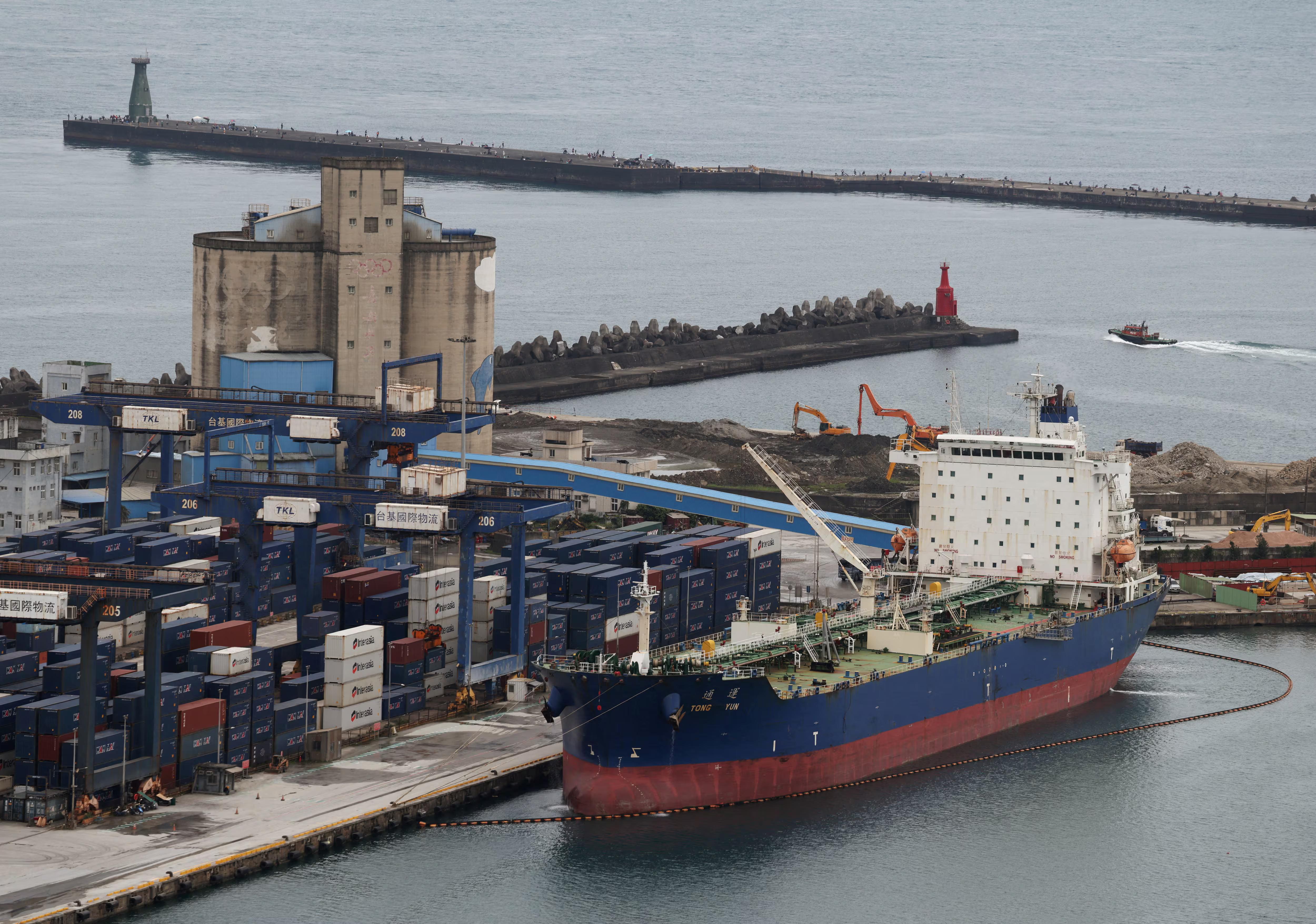
Brent crude surged past $100 per barrel on Thursday for the first time in nearly two months after Iran-backed Houthi forces in Yemen claimed strikes on two Saudi oil tankers in the Bab el-Mandeb Strait, widening the Middle East energy crisis beyond the Strait of Hormuz and triggering the sharpest single-day price move in weeks.
Brent futures rose as much as 7% to $100.66 a barrel as of 12:58 p.m. ET, exceeding $100 for the first time since late May and extending a five-day rally. WTI crude climbed 6.3% to $92.28 per barrel, trading above $90 for the first time since June 11. The global benchmark has now risen nearly 40% in July alone.
The Houthis declared a naval blockade of Saudi oil exports earlier this week before claiming strikes on the two tankers, raising fears that supply disruptions to Middle East oil exports could spread beyond the Strait of Hormuz and tighten global crude supplies further. Just six vessels were tracked crossing the Bab el-Mandeb waterway in an 18-hour window, a fraction of the 18 to 22 daily crossings recorded earlier this month, according to maritime intelligence platform Windward.
Goldman Sachs sees Brent rallying to more than $120 a barrel by the fourth quarter if supply disruptions continue. Helima Croft, head of global commodity strategy and MENA research at RBC Capital Markets, warned that oil prices could potentially match or exceed the Russia-Ukraine high of $128 per barrel in 2022 or even the 2008 peak of $146 per barrel in a worst-case full regional war scenario.
The $100 handle matters symbolically as much as economically. It is the level that historically triggers demand destruction in price-sensitive emerging markets, forces airline and shipping hedging programmes to reset, and changes the political calculus around energy subsidies in countries that cannot afford them. For Nigeria, the arithmetic is contradictory and uncomfortable in equal measure. Every dollar above the $64.85 budget benchmark is a windfall on paper, and with crude production at a 74-month high of 1.56 million barrels per day, the government is pumping into a price environment that would have seemed implausibly generous at the start of the year. But the same price surge that fattens the Federation Account is already pushing Dangote Refinery's ex-depot petrol price to ₦1,215 per litre, threatening to unwind the downstream cost relief that represented the government's most visible consumer-facing dividend from the subsidy removal.
The Houthi opening of a Red Sea front answers a question markets had been debating since Trump declared the ceasefire over last week: whether the conflict would remain contained to the Strait of Hormuz or spread. It has now spread. With Saudi tankers being targeted in the Bab el-Mandeb, the two most critical oil shipping chokepoints in the world are simultaneously under threat. That is not a scenario any oil market model priced into its base case at the start of 2026, and the repricing underway in crude futures on Thursday is the market acknowledging, belatedly, just how much has changed.
Stay Informed: Visit our website for Breaking News, Intelligence, and Insight.