
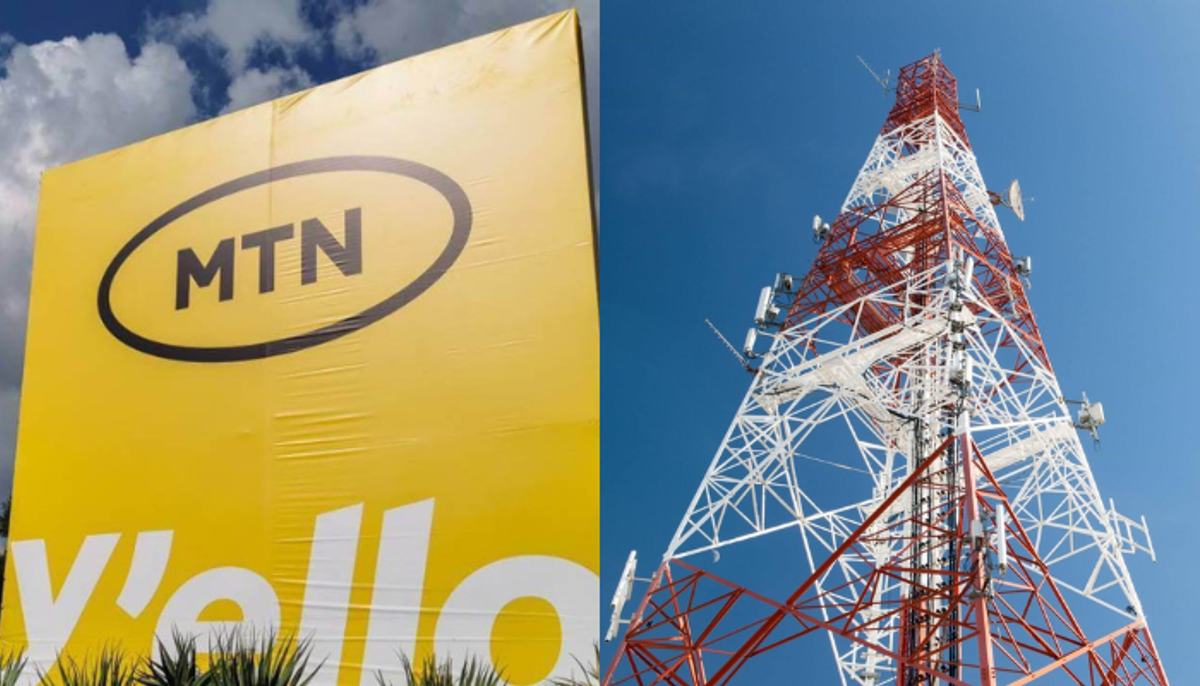
IHS Holding Limited shareholders voted by the required two-thirds majority at an Extraordinary General Meeting on August 4 to approve MTN Group's $6.2 billion acquisition of the remaining shares in the tower infrastructure company, clearing the most significant procedural hurdle in a transaction that would reunite Africa's largest mobile network operator with tens of thousands of towers it sold over the past decade to fund network expansion.
The approval, secured through a special resolution at the EGM, satisfies one of the key conditions precedent to the transaction. Shareholders representing more than 264 million ordinary shares backed all proposals submitted by the IHS board, including the merger agreement and the associated plan of merger. The deal, first announced by MTN on February 17, 2026, remains subject to regulatory approvals in the relevant jurisdictions before it can be finalised.
As part of the transaction structure, MTN created a temporary entity known as Sub-Merger Co, which will merge into IHS and subsequently be dissolved. Once regulatory approvals are received, IHS will be delisted from the New York Stock Exchange and will cease to be a publicly traded company.
MTN Group President and CEO Ralph Mupita described the vote as an important milestone. "Within our Ambition 2030 strategy, the three-platform strategy, towers are a critical value creation driver that will strengthen MTN's strategic and financial position for the future, in a world where digital infrastructure and AI are becoming increasingly essential to Africa's growth and development," he said.
The transaction carries a significance that the shareholder vote alone does not fully capture. Over the past decade, MTN sold thousands of passive network sites to IHS through sale-and-leaseback arrangements as a way to raise capital without taking on debt, outsourcing the ownership and management of tower infrastructure in exchange for the flexibility to focus on spectrum, software and subscribers. The $6.2 billion acquisition reverses that logic entirely, bringing the infrastructure back in-house at a moment when MTN's balance sheet is strong enough to absorb it and when AI-driven data demand is making the physical layer of telecommunications networks more strategically valuable than it has ever been.
IHS operates approximately 29,000 telecommunications towers across several African markets, including Nigeria, Cameroon, South Africa, Rwanda, Côte d'Ivoire and Zambia, providing the passive infrastructure that underpins not only MTN's networks but those of other major operators across the continent. Full ownership gives MTN direct control over those assets, eliminates the lease costs it has been paying to IHS and allows the group to prioritise network investment decisions without negotiating with an independent infrastructure company whose interests do not always align with those of any single operator-tenant.
The regulatory approval process now determines the timeline. Multiple jurisdictions must sign off before the deal closes, and tower infrastructure transactions in African markets have historically drawn scrutiny from competition authorities concerned about the effect of consolidating infrastructure ownership on access for smaller operators. Whether regulators in Nigeria, South Africa and the other key markets conclude that MTN controlling 29,000 towers across the continent is compatible with fair market access for competitors will be the substantive question the approvals process must answer. MTN has said it will provide further updates as the process progresses, but has not indicated a specific timeline for completion.
Visit our website for Breaking News, Intelligence, and Insight.