
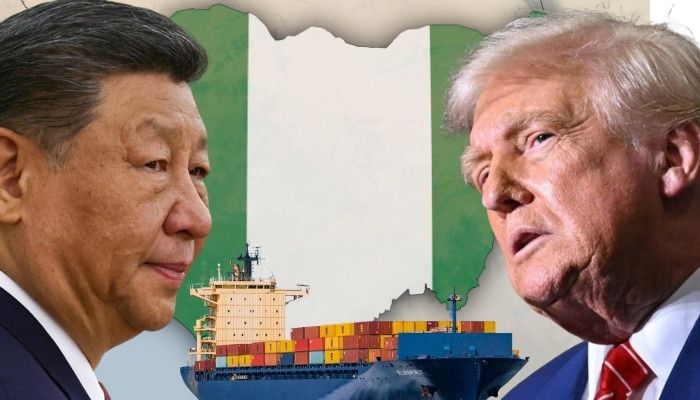
Exporters in are adjusting their trade strategies amid uncertainty surrounding policy direction in, with many businesses strengthening commercial engagement with. The pivot reflects efforts to stabilize export revenues, diversify market exposure, and reduce vulnerability to external policy changes.
Trade analysts say the move is driven by a combination of factors, including fluctuating tariff regimes, shifting import standards, and broader geopolitical tensions that have affected global trade flows.
While no formal trade restriction has been announced that specifically targets Nigerian exports, exporters often respond quickly to perceived instability in major markets.
China has emerged as an attractive destination due to its large consumer base, expanding industrial demand, and established infrastructure for importing raw materials and agricultural goods.
Nigerian producers, particularly in sectors such as agriculture, solid minerals, and crude-related products, are exploring long-term supply arrangements with Chinese buyers.
Trade data in recent years has consistently shown China as one of Nigeria’s largest trading partners. The relationship has historically centered on imports, but Nigerian exporters are seeking to balance this dynamic by increasing outbound shipments.
Business leaders say expanding exports is essential for improving foreign exchange earnings and strengthening the country’s external reserves.
Economic observers note that diversification is a practical strategy in a volatile global environment. When major economies adjust trade policies or introduce regulatory changes, exporters who rely heavily on a single destination can face sudden disruptions.
By widening market access, companies reduce concentration risk and improve revenue stability. The shift also aligns with broader continental trade ambitions under the, which encourages intra-African commerce while supporting global competitiveness.
Although the agreement focuses primarily on regional trade, its long-term objective is to position African exporters to compete effectively in international markets.
Industry representatives say that engaging with China requires meeting quality standards, complying with regulations, and meeting logistics requirements. Exporters are investing in improved packaging, certification processes, and supply chain coordination to meet these expectations. These upgrades are seen as necessary steps to ensure sustained access rather than short-term gains.
At the same time, trade experts caution that diversification does not imply disengagement from other markets. The United States remains a significant global economy with deep financial and technological ties worldwide.
Instead, exporters are pursuing a balanced approach, maintaining relationships across multiple regions to optimize resilience.
Nigeria’s trade policy framework continues to emphasize the expansion of non-oil exports as a key economic priority. Government agencies responsible for export promotion have encouraged businesses to explore new markets, improve product value chains, and leverage bilateral trade agreements where available.
The evolving trade pattern underscores a broader reality in global commerce: exporters respond rapidly to shifts in demand, regulation, and geopolitical sentiment. For Nigerian businesses, expanding engagement with China represents both a strategic opportunity and a risk management decision.
While the long-term outcome of this pivot will depend on policy developments in major economies, current trends suggest that diversification is becoming central to Nigeria’s export strategy.
As companies recalibrate their market focus, the emphasis remains on stability, competitiveness, and sustainable growth in an increasingly interconnected global economy.
Stay Informed: Visit our website for Breaking News and Insights.