
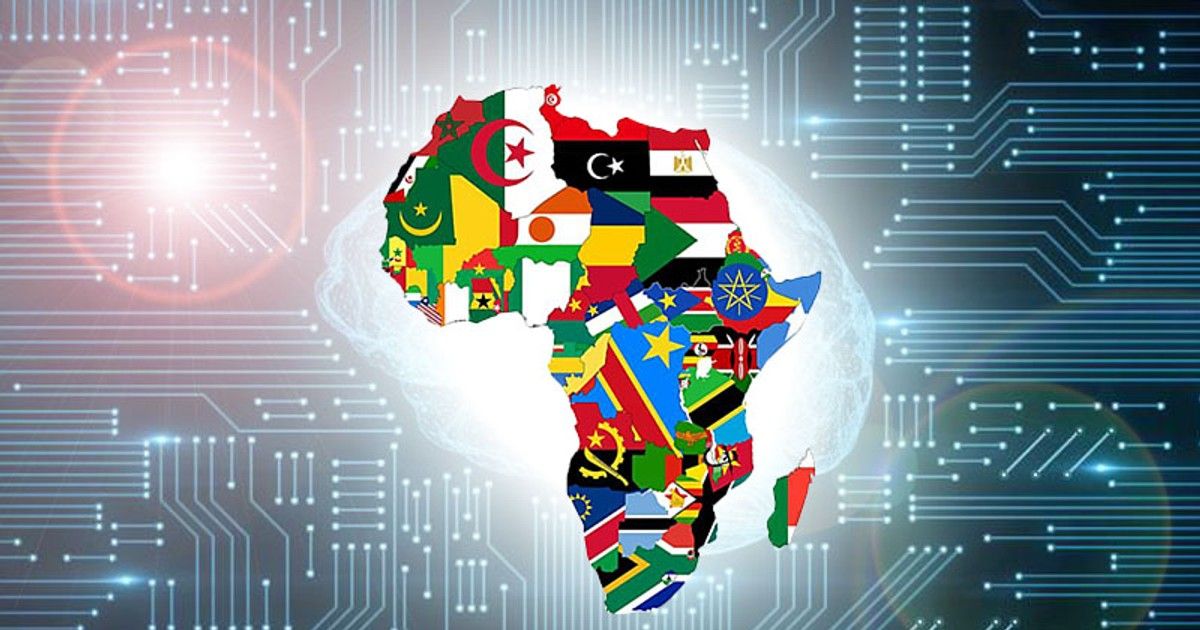
Cloudwards study shows Cape Verde, Côte d’Ivoire, and Seychelles lead Africa with 84 points, falling short of the 92-point global benchmark held by 11 countries across four continents.
No African nation has broken into the top tier of global internet freedom, with the continent’s leading performers Cape Verde, Côte d’Ivoire, and Seychelles scoring 84 out of 100, falling eight points short of the 92-point benchmark achieved by 11 countries spanning four continents, according to a new study by Cloudwards that assessed 171 countries across five key indicators including torrent access, social media availability, political expression, and VPN legality.
The findings underscore a critical gap in Africa’s digital transformation, revealing that while the continent avoids the extreme repression seen in countries like North Korea, which scored zero, and China, Iran, Pakistan, and Russia, which each scored four, African nations occupy a wide middle ground marked by uneven progress. The highest global score of 92 was achieved by Belgium, Costa Rica, Denmark, Finland, Iceland, Liechtenstein, New Zealand, Norway, Slovakia, Suriname, and Timor-Leste, placing Africa’s best performers in the second tier globally alongside Canada, Switzerland, Poland, and Uruguay.
South Africa scored 64, aligning with global peers including the United States, Japan, and Australia, positioning it as a mid-tier benchmark rather than a continental outlier. Kenya scored 52, placing it alongside the United Kingdom, Brazil, Colombia, and Zambia, reflecting a troubling trajectory after Freedom House recorded Kenya’s steepest global decline, dropping from 64 to 58 in a single year. Nigeria, Botswana, and Morocco also landed at 64, while Ghana scored 72 alongside Italy, Mexico, and Spain.
The study highlights areas of serious concern in North and East Africa. Algeria scored 48, Ethiopia 36, Libya and Tanzania 28, Uganda 24, while Egypt and Sudan each scored just 12, reflecting tighter controls over digital access and information flows. These lower scores often correlate with stricter regulatory regimes, periodic internet shutdowns, and limitations on content and platforms that directly impact innovation ecosystems, digital entrepreneurship, and civic participation. Countries including Algeria, Ethiopia, Libya, Tanzania, Uganda, Egypt, and Sudan reflect tight controls that contrast sharply with Cape Verde’s 84.
The Cloudwards study, which used data from OONI Explorer, Freedom House, government notices, court rulings, and regulatory disclosures, assessed four categories: torrent site accessibility, adult content restrictions, political and civic expression freedom, and VPN availability. Notably, torrenting emerged as the most universally restricted category worldwide, with no country scoring fully accessible for torrent sites, typically due to copyright enforcement rather than political censorship.
Closing the gap with global leaders will require more than infrastructure expansion, analysts say. It will demand forward-looking policies that balance security with openness, protect digital rights, and enable seamless access to global information networks, while addressing the structural challenges that have left Africa lagging in internet freedom even as digital connectivity expands across the continent.
Stay Informed: Visit our website for Breaking News, Intelligence, and Insights