
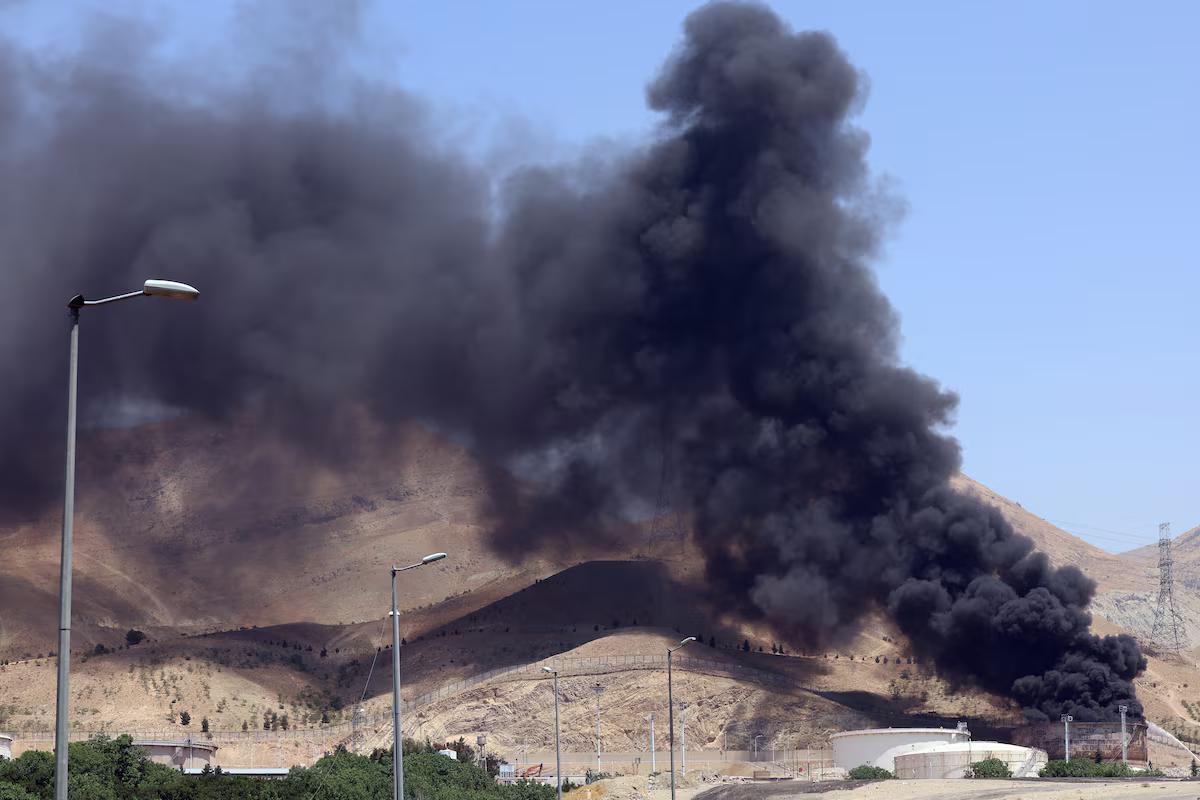
Oil and natural gas prices surged dramatically on 2 March 2026, after a rapid escalation of hostilities between Iran, the United States, and Israel, forcing shutdowns at major energy facilities and severely disrupting shipments through the strategic Strait of Hormuz.
Brent crude futures briefly climbed above $82 a barrel, the highest in more than a year, before moderating to near $79, underscoring how geopolitical uncertainty can immediately reshape global energy markets.
The Strait of Hormuz, a narrow waterway off Iran’s coast through which roughly 20% of the world’s oil supply flows, has been at the centre of market anxiety. Disruptions to tanker traffic and attacks on vessels in Gulf waters have triggered a self-imposed pause in shipments by many international shipping firms, tightening physical flows and boosting risk premiums on crude prices.
Regional tensions escalated after a series of military actions, including strikes by U.S. and Israeli forces targeting Iranian positions. Tehran responded with retaliatory attacks that reportedly extended to infrastructure in Gulf countries, including damage to tankers and pressure on transport routes critical for oil and gas exports.
While Iran has not formally closed the Strait of Hormuz, its warnings and the resulting slowdown in maritime activity have had an outsized impact on market sentiment.
The immediate effect was a sharp rise in oil benchmarks. Brent crude futures jumped by as much as 13% on rising fears of supply interruption, while U.S. West Texas Intermediate crude reached its highest levels in months before settling modestly lower. Natural gas prices also climbed as supplies of liquefied natural gas from QatarEnergy were paused following attacks on facilities in Qatar’s industrial hubs.
The price response in energy markets reflects the essential role of Middle Eastern exports in global supply. Analysts note that even without confirmed long-term damage to production facilities, the threat to transportation routes alone can create a risk premium, pushing prices higher as traders price in potential extended shortages.
Some experts see Brent crude potentially testing $100 a barrel if disruptions persist or intensify.
Governments and companies are closely monitoring the situation, balancing short-term price movements with broader concerns about economic implications.
Higher oil prices have a cascading effect: they can raise fuel costs for consumers, increase input costs for transport and manufacturing, and feed through into inflationary pressures in import-dependent economies like Nigeria, where energy costs directly influence retail fuel pricing.
To offset some of the disruption, the OPEC+ group of producers agreed to incrementally increase output by about 206,000 barrels per day beginning in April. However, analysts caution that this supply boost may not fully compensate for constrained shipping and logistical challenges if tanker traffic remains disrupted.
The wider economic impact is already visible in financial markets. In Europe, stock indices fell as energy prices surged and investors rotated into safer assets. Natural gas benchmarks in the region also climbed significantly, reflecting concern over potential shortages and the interconnected nature of global energy trade.
While some market participants see the recent moves as a short-lived risk reaction, the situation underscores how swiftly geopolitical events in the Middle East can ripple through global energy markets.
The extent to which oil and gas prices remain elevated will depend on whether key shipping routes, such as the Strait of Hormuz, stabilize and whether broader diplomatic efforts succeed in de-escalating the conflict.
Stay Informed: Visit our website for Breaking News and Insights.