
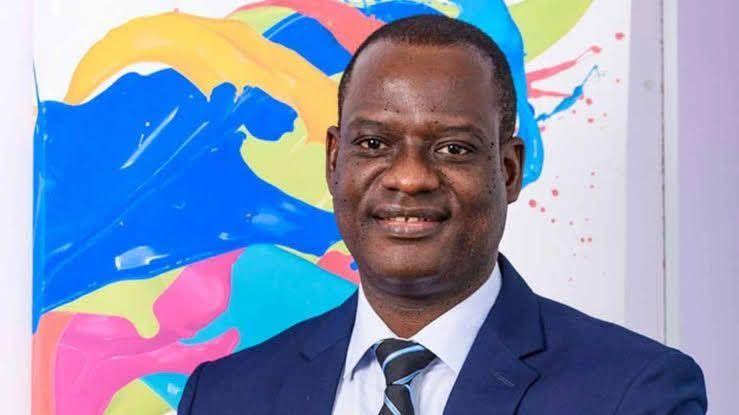
The Federal Government has inaugurated a Ministerial Advisory Committee aimed at strengthening economic policymaking, improving policy coordination, and accelerating the implementation of ongoing fiscal and economic reforms. The committee was inaugurated on Tuesday in Abuja by the Minister of Finance and Coordinating Minister of the Economy, Taiwo Oyedele. The 15-member body is chaired by the Managing Director of Sterling Bank, Abubakar Suleiman, and comprises leading economists, business executives, policy experts, and private sector stakeholders.
Speaking at the inauguration, Oyedele said the committee would offer external, data-driven advice to strengthen economic policymaking and ensure that reforms translate into improved living standards, describing the initiative as a shift towards a "public-policy-private partnership" aimed at improving the quality of government decisions. He told the newly sworn-in members: "This committee exists to provide independent, evidence-based and constructive external counsel. We need you to think through the second and third-order effects of our policies, identify vulnerabilities and risks before they become crises, bring international best practices into our decision-making, and tell us how our reforms are actually affecting factories, shops, and communities so that we can make adjustments where necessary."
The committee's mandate rests on four pillars: economic policy advisory, public financial management, economic coordination, and stakeholder engagement. On the first pillar, members are expected to provide data-driven recommendations to support job creation, stronger economic growth, higher productivity, and improved government revenue. Oyedele said the government remained committed to achieving 7% annual real GDP growth and building a $1 trillion economy by 2030, stressing that the target would require innovative thinking, stronger fiscal discipline, and deeper collaboration with the private sector.
Oyedele stressed that the Tinubu administration had implemented major reforms over the past three years, including fuel subsidy removal, foreign exchange unification and tax reforms, but emphasised the need to move "from reform to results." He was direct about the committee's purpose: "We do not need this committee to validate what we have already decided. We need you to challenge our assumptions, point out the trade-offs we might be papering over, and tell us the truth we may not want to hear."
Responding on behalf of the committee, Chairman Abubakar Suleiman assured the minister that members would focus on providing actionable recommendations rather than producing lengthy reports, and pledged to surface what Nigerians are truly experiencing on the ground so the government can act on it.
The committee will operate as an independent, non-executive advisory body, providing objective advice and assessing policy options without duplicating the roles of existing government institutions. Members include Dr Ayo Teriba, CEO of Economic Associates; Prof. Uche Uwaleke, President of the Institute of Capital Market Studies; Chinyere Almona, Director-General of the Lagos Chamber of Commerce and Industry; Segun Ajayi-Kadri, Director-General of the Manufacturers Association of Nigeria; and Dr Baba Yusuf Musa, President of the Nigerian Economic Society, among others.
Stay Informed: Visit our website for Breaking News, Intelligence, and Insight.