
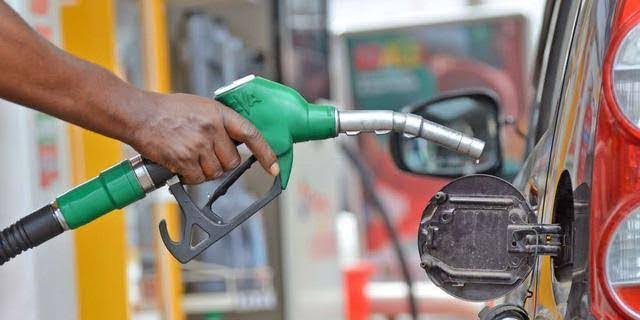
Petrol prices at filling stations across Nigeria have surged by approximately N113 per litre after Dangote Petroleum Refinery ended its naira-denominated sales on July 13, switching to a full dollar-based pricing regime for petroleum products. The 650,000-barrel-per-day refinery, Nigeria’s largest domestic fuel supplier, now pegs its ex-gantry price for Premium Motor Spirit at $0.779 per litre, diesel at $1.087 per litre, and aviation fuel at $0.942 per litre.
In a notice to petroleum marketers and customers signed by its Group Commercial Operations department, the refinery said all previously issued naira-denominated Proforma Invoices and Deal Recaps for gantry and coastal transactions were immediately invalid. Coastal petrol deliveries have been repriced at $1,044.62 per metric tonne. Liquefied Petroleum Gas is the only product exempted from the new arrangement and will continue under existing payment terms.
The pivot effectively buries the Federal Government’s naira-for-crude initiative, a policy introduced in October 2024 under which domestic refiners received crude oil from the Nigerian National Petroleum Company Limited in naira in exchange for selling refined products locally in the same currency. Industry sources say the arrangement broke down because NNPCL was supplying a growing proportion of crude to the refinery on dollar terms, while the bulk of product sales remained naira-denominated. The widening currency mismatch, compounded by naira volatility and fluctuating global crude prices, made the model commercially unviable.
Crude supply constraints added further pressure. The refinery requires between 13 and 15 cargo shipments per month to operate at full capacity, but is reported to have received just seven cargoes under the state allocation system in recent months, forcing it to purchase dollar-denominated crude on the international market to bridge the gap.
The shift to dollar pricing means that retail pump prices will now fluctuate in line with daily movements in the naira-dollar exchange rate, with marketers required to source foreign currency before lifting products from the refinery. Analysts warn that if the naira weakens further, the naira cost of every litre will rise automatically, deepening cost-of-living pressures for millions of Nigerians already grappling with elevated inflation. Brent crude rising to $86.16 per barrel amid renewed US-Iran tensions around the Strait of Hormuz has compounded the outlook.
The decision marks the most consequential structural shift in Nigeria’s downstream petroleum market since President Bola Tinubu removed the fuel subsidy in May 2023 and raises fresh questions over the long-term viability of any naira-linked crude supply framework.
Stay Informed: Visit our website for Breaking News, Intelligence, and Insight.