
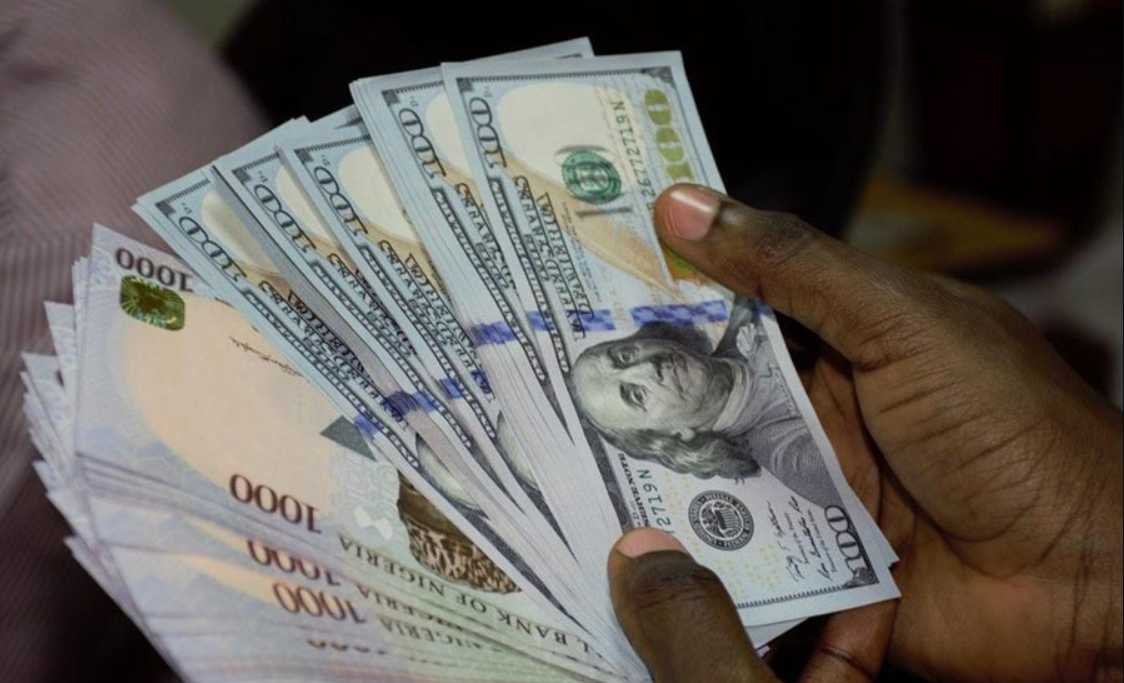
Nigeria's currency is doing something it has not done in a long time, moving in the right direction with enough consistency to matter.
The naira is trading at approximately ₦1,365.89 per US dollar as of May 6, 2026, its strongest sustained range in over a year, with the US dollar having shed 5.48% year-to-date against the naira and 14.70% over the past twelve months. The psychological barrier of ₦1,350 per dollar, breached briefly earlier in the year, is once again within striking distance.
The naira first broke below the ₦1,350/$ mark on February 11, 2026, the first time it had done so since May 29, 2024, when it strengthened to ₦1,349.5 per dollar in the official market, up from ₦1,354.9 the previous session. That moment was a milestone, signalling that the CBN's reform programme was producing tangible results in the official window.
Since then, the naira has oscillated within a tighter band, reflecting both improved liquidity and a cautious market still watching for policy consistency. The official NFEM rate hovered around ₦1,374 per dollar on May 5, 2026, with trading bands ranging between approximately ₦1,362 and ₦1,378, while parallel market operators in Lagos and Abuja quoted the dollar at about ₦1,385 for buying and ₦1,400 for selling, a narrowing of the gap between formal and informal rates that regulators have targeted as a key reform metric.
Analysts attribute the naira's appreciation to stronger foreign exchange inflows and improved market confidence. Dr. Joseph Mbada, an Abuja-based economist, said: "The strengthening of the naira below N1,350 per dollar indicates that supply conditions in the official window have improved significantly. This is largely a function of better inflows and tighter monetary conditions, which have helped moderate speculative demand."
The rise in external reserves has been supported by higher oil export earnings, with remittance inflows and portfolio investments also contributing to improved dollar supply. The narrowing gap between official and parallel market rates signals relatively improved market alignment.
Over the last 30 days, the USD/NGN rate moved between ₦1,344.61 and ₦1,382.38, with an average of ₦1,363.91 and volatility of just 0.39%, a remarkably stable band for a currency that, at its worst in late 2024, was trading as weak as ₦1,685 to the dollar.
The development underscores the ongoing efforts to stabilise the naira while narrowing the gap between official and street rates, a twin objective that has eluded Nigerian policymakers for the better part of a decade. The ₦1,350 mark is no longer a distant aspiration. It is the next line in a rally that is quietly rewriting Nigeria's currency story.
Stay Informed: Visit our website for Breaking News, Intelligence, and Insight.