
The delicate architecture of global energy and currency markets is currently vibrating under the weight of a multi-front regional escalation that has officially transitioned from a localised friction into a systemic crisis.
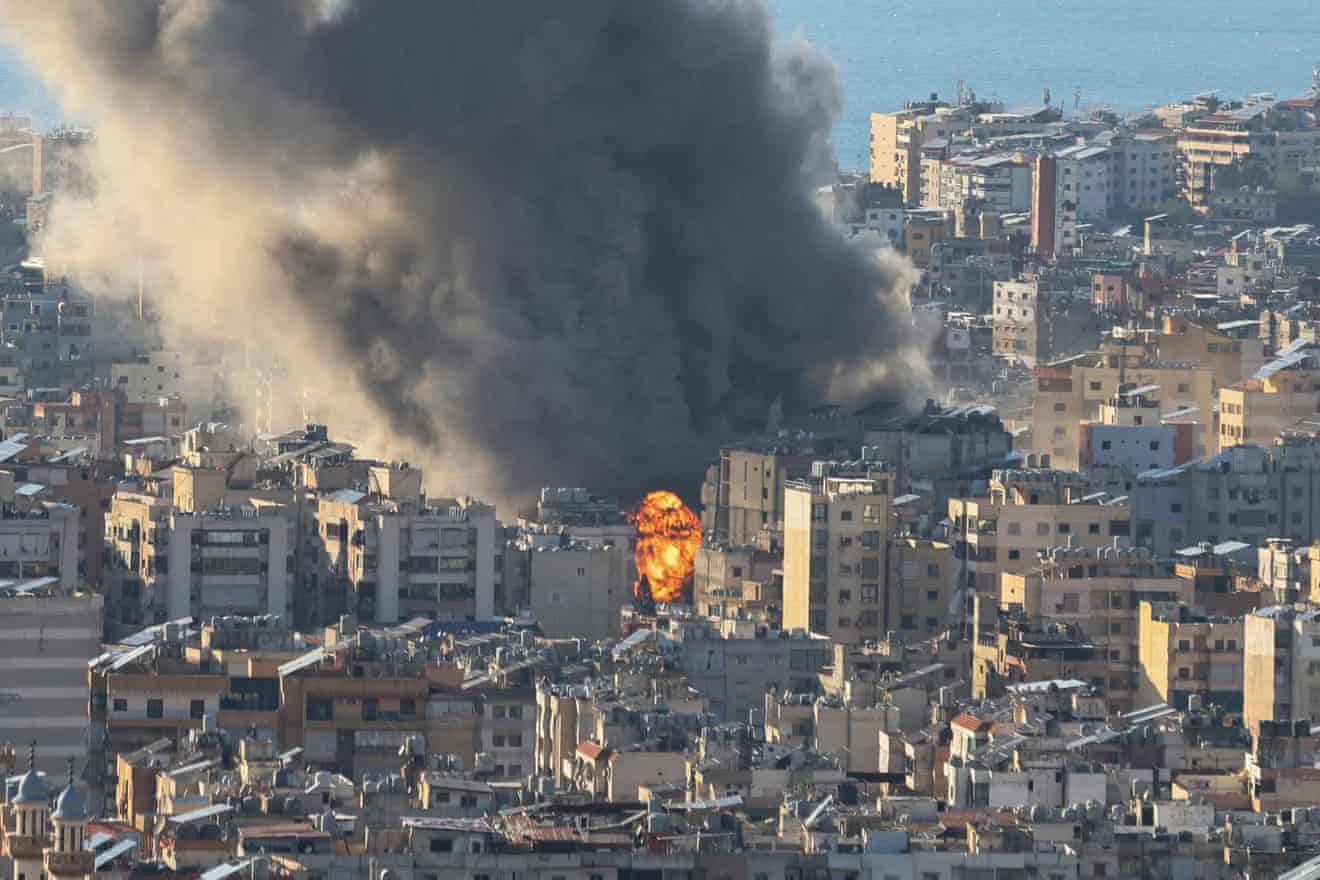
On 4 March 2026, the Middle East witnessed a significant expansion of hostilities as Israel bolstered its ground presence in southern Lebanon and drone strikes targeted the United States Embassy in Riyadh.
These twin developments have sent Brent crude oil prices surging toward a 14-month high of $83.50 per barrel, while the US Dollar Index has accelerated its ascent, reaching its strongest level since mid-January amid a classic “flight to safety” among international investors.
The strategic economy changed dramatically on Tuesday when the Israel Defense Forces announced a ground incursion into southern Lebanon, an operation described by military spokespersons as a forward defence operation to establish an additional security layer.
This move follows the massive call-up of approximately 100,000 reservists to Israel's Northern Command, a scale of mobilisation that analysts suggest points to a prolonged and intensive campaign rather than a temporary raid.
The incursion has already prompted the Lebanese military to withdraw from several forward positions along the border to avoid direct confrontation, while civilian populations have begun a mass exodus toward the already crowded northern city of Saida.
This escalation is not occurring in a vacuum but is a direct extension of the wider conflict involving the United States, Israel, and Iran. Following the reported death of Iranian Supreme Leader Ali Khamenei in earlier strikes, Hezbollah has intensified its rocket and drone barrages against northern Israeli targets, including Haifa.
The Lebanese government has attempted to distance itself from these unauthorised military activities by Hezbollah, even issuing a total ban on the group's military operations during an emergency Cabinet meeting. However, the ground reality remains dictated by the exchange of fire, which has already claimed at least 31 lives in Lebanon and 11 in Israel as of the latest reports.
Further south, the conflict took a highly symbolic and dangerous turn when two drones struck the United States Embassy compound in Riyadh, Saudi Arabia, on Monday. While Saudi authorities initially reported only minor material damage and a limited fire, internal State Department alerts indicate that the strike caused a partial roof collapse and structural damage.
Crucially, it has been revealed that the embassy's top floor, which houses one of the largest CIA stations in the Middle East, was among the primary targets hit. Although no CIA personnel were wounded, the attack marks a bold retaliation by suspected Iranian-backed proxies against American diplomatic and intelligence hubs in the Gulf.
The fallout from the Riyadh attack has led to a total shutdown of the US Embassy in Saudi Arabia, as well as missions in Kuwait and Lebanon, with American citizens urged to evacuate more than a dozen Middle Eastern countries immediately.
This disruption to diplomatic norms is being mirrored by a disruption to physical trade, as the Strait of Hormuz, the world's most vital artery for oil and gas, is effectively under threat. Tehran has reportedly warned that no tankers will be allowed to pass through the narrow waterway, prompting shipping giants like Maersk to halt transit through both the Strait and the Suez Canal.
The immediate economic casualty of this instability is the price of energy. Brent crude jumped by as much as 13% in early trading sessions this week, briefly touching $82 before settling near $83.50 on Wednesday morning.
The dual supply shock, caused by the potential closure of the Strait of Hormuz and the shutdown of key regional infrastructure like Saudi Arabia’s Ras Tanura refinery and Qatar’s Ras Laffan LNG facility, has removed nearly 20% of the global liquefied natural gas supply from the market.
Analysts now warn that if the Hormuz blockade remains in place, oil prices could comfortably exceed $100 a barrel, a scenario that would reignite global inflationary pressures.
In the currency markets, the US Dollar Index has surged 1.44% since 2 March, as traders dump riskier assets in favour of the greenback. The dollar's strength is being further supported by rising US bond yields, with 10-year notes climbing to 4.054%.
Investors are increasingly factoring in a higher-for-longer interest rate environment, as the energy-driven inflation spike makes it less likely that the Federal Reserve will cut rates in the near term.
This classic risk-off sentiment is punishing global equities, with major indices in London, Tokyo, and New York seeing sharp declines as the market recalibrates for a prolonged Middle Eastern conflict.
The intersection of military escalation in Lebanon and the targeting of American assets in Saudi Arabia has created a petro-geopolitical storm that shows no signs of dissipating.
With political leaders indicating a readiness for a multi-week or even multi-month campaign, the business-as-usual model for global trade and energy security is currently suspended. For the global economy, the stakes have moved beyond mere price fluctuations; they now involve a fundamental re-evaluation of the risks inherent in the world's most critical energy corridor.
Stay Informed: Visit our website for Breaking News and Insights.