
President Bola Tinubu has confirmed that the Nigerian National Petroleum Company Limited will be reformed and listed on the Nigerian Exchange, reviving a plan that the Petroleum Industry Act 2021 made a legal requirement five years ago but which successive administrations and NNPC's own leadership have consistently deferred without completing.
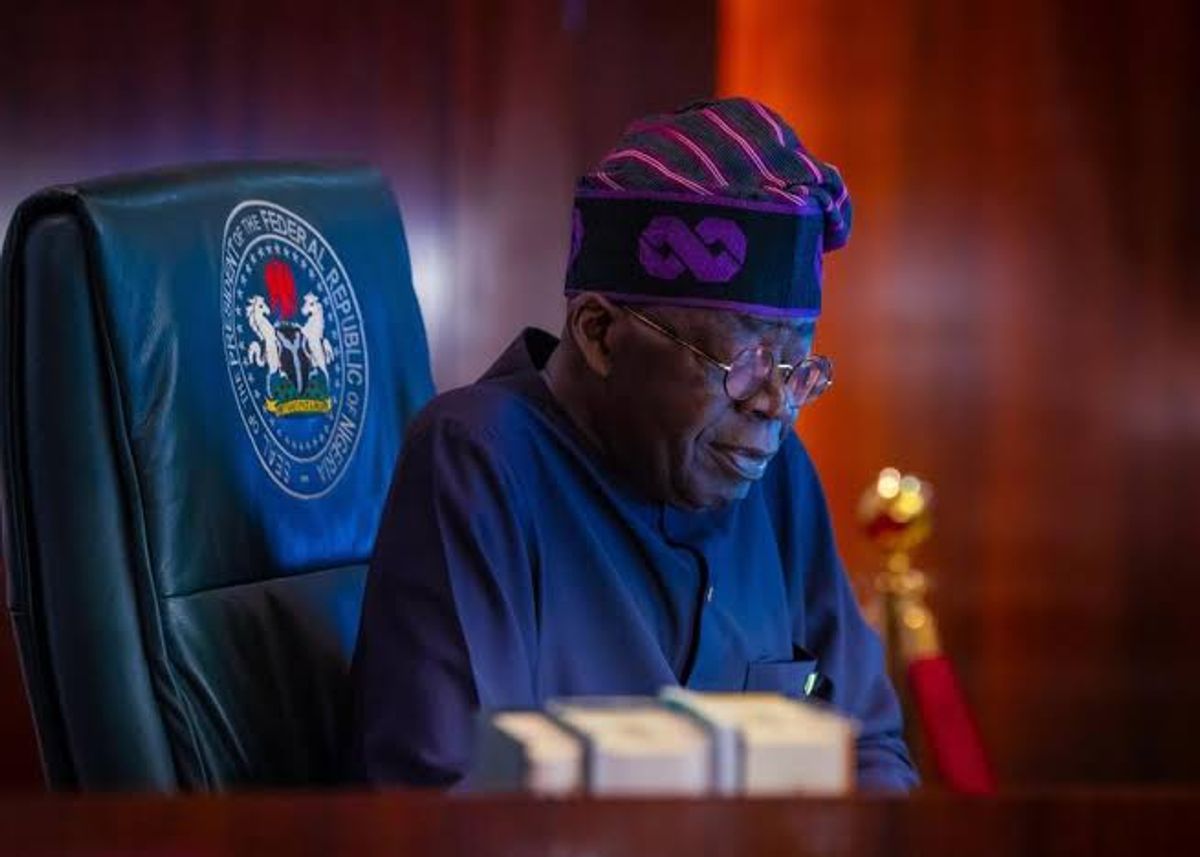
Tinubu made the announcement on Thursday, August 6, 2026, when he received the board and management of the Nigerian Exchange Group at the State House in Abuja, telling the delegation led by NGX Group Chairman Umaru Kwairanga and Group Managing Director Temi Popoola that "the NNPC will be reformed and listed in the capital market," enabling it to become a publicly traded company that allows Nigerians and other investors to buy and own shares.
The announcement follows a parallel disclosure from NNPC's own leadership. NNPC Chief Finance and Investor Relations Officer Olugbenga Oluwaniyi said the company had commenced an "IPO Beauty Parade," a strategic engagement with prospective partners to ensure compliance with capital market regulations ahead of a planned listing, adding that "NNPC Ltd is at the final stage of getting listed in the capital market, in keeping with the provisions of the Petroleum Industry Act 2021." NNPC Group CEO Bayo Ojulari had separately set a 2028 target for the listing in a July 12 interview.
The plan has a longer history than either the August announcement or the 2028 target suggests. The PIA 2021 required NNPC to list within six months of being passed. That deadline expired in early 2022 without a listing. The company's finance chief said in March 2026 that preparations were in the final stages, a formulation that echoed similar statements made in 2022, 2023 and 2024.
Simultaneously, NNPC has been pursuing a separate asset-level divestiture programme. According to a Reuters-cited internal document, NNPC has called for bids from private investors seeking to acquire stakes in selected oil and gas assets it owns outright as well as those held in partnership with international oil companies including Shell, Chevron, Eni and TotalEnergies. The company has previously outlined plans to divest at least 25% of its equity holdings in select fields through full divestments or stake reductions, as part of a portfolio optimisation strategy to concentrate resources on assets that generate stronger returns. Oil sector unions have opposed the plan, warning that rushed asset transfers could send negative signals to investors and weaken Nigeria's oil sector.
Together, the two tracks, a whole-company IPO and individual asset stake sales, represent the most serious attempt yet to open Nigeria's state oil company to private capital. They also represent two different theories of value: a company-level listing creates a market price for the whole enterprise and imposes public company governance disciplines, while asset-level stake sales generate near-term cash without diluting the parent's control.
The NGX Group briefed Tinubu on the rebound of the market from ₦30 trillion in 2023 to ₦160 trillion in 2026, a trajectory that the president appears to have read as evidence that the exchange is now equipped to absorb a transaction that would rank as the largest listing in Nigerian capital market history. With the Dangote Refinery IPO already targeting $5 billion in October, the prospect of NNPC joining the NGX on any timeline between now and 2028 would represent a reshaping of the exchange's composition unprecedented in its 65-year history. Whether Tinubu's statement on August 6, 2026 proves more durable than its predecessors is the question Nigeria's capital markets have been waiting five years to have answered.
Visit our website for Breaking News, Intelligence, and Insight.