
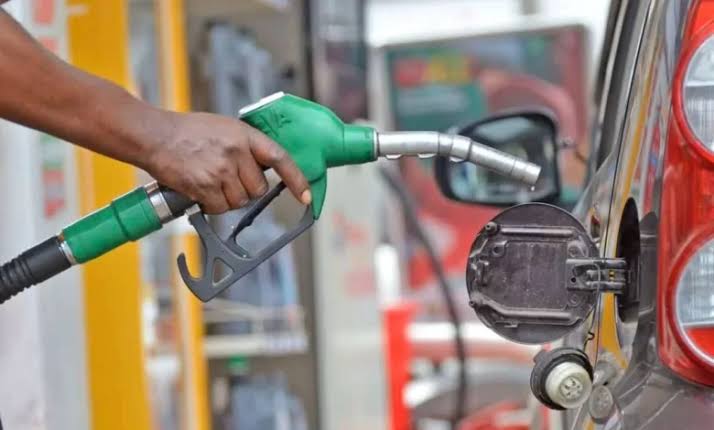
The prospect of Nigerian consumers returning to the ₦800 per litre petrol prices they paid before the Middle East crisis erupted in February has effectively collapsed after United States President Donald Trump declared the ceasefire with Iran over, sending crude prices sharply higher and reversing weeks of downstream price relief in the country.
Speaking at the NATO summit in Ankara, Turkey, Trump said he considered the ceasefire over and no longer wanted to deal with Iran, dismissing further negotiations as a waste of time. Brent and WTI crude prices immediately surged more than 4% to $77 and $73 per barrel, respectively, up from $72 and $68 per barrel the previous day.
The timing is punishing for Nigerian consumers who had only just begun to see meaningful relief. In the last three to four weeks, retail pump prices have dropped by at least ₦125 per litre, according to the Independent Petroleum Marketers Association of Nigeria, and on Wednesday, Dangote Refinery announced free delivery of petrol at ₦1,075 per litre in five states and the Federal Capital Territory. Depot owners, noticing the price volatility triggered by Trump's announcement, quickly increased automotive gas oil and diesel prices by 3% to ₦1,450 per litre.
The background to that relief matters. The conflict began on February 28, 2026, sending shockwaves through global energy markets, with Brent crude peaking at around $126 per barrel at the height of hostilities before falling more than 42% to around $70 after the ceasefire agreement eased fears of a prolonged Strait of Hormuz disruption. Before the Middle East hostilities, petrol averaged ₦800 per litre across Nigeria but remained around ₦1,300 during the conflict period, an increase of about ₦500 per litre even as oil prices began retreating toward pre-war levels.
PETROAN had said petrol prices could fall below ₦1,000 per litre once the Strait of Hormuz was fully reopened and crude returned to pre-conflict levels, noting that the market could gradually move back toward the ₦800 range if peace was maintained. That assumption has now been overtaken by events.
Energy experts had already warned that with fresh uncertainty introduced into the US-Iran peace framework, it was not certain that petroleum product prices would normalise soon. Trump's declaration removes even the conditional optimism that had underpinned those forecasts.
The structural problem beneath the geopolitical one remains unchanged. Dangote Refinery has been explicit that the expensive crude cargoes purchased at crisis-period prices are still working through its production cycle, meaning ex-depot reductions were always going to be gradual regardless of what happened in the Strait.
With crude now reversing course before those high-cost inventories have fully cleared, the arithmetic of getting to ₦800 per litre has become significantly more difficult. For the millions of Nigerians who benchmarked their budgets to the pre-war price, that number is now somewhere between a medium-term aspiration and a receding memory, depending on what Trump decides to do next.
Stay Informed: Visit our website for Breaking News, Intelligence, and Insight.