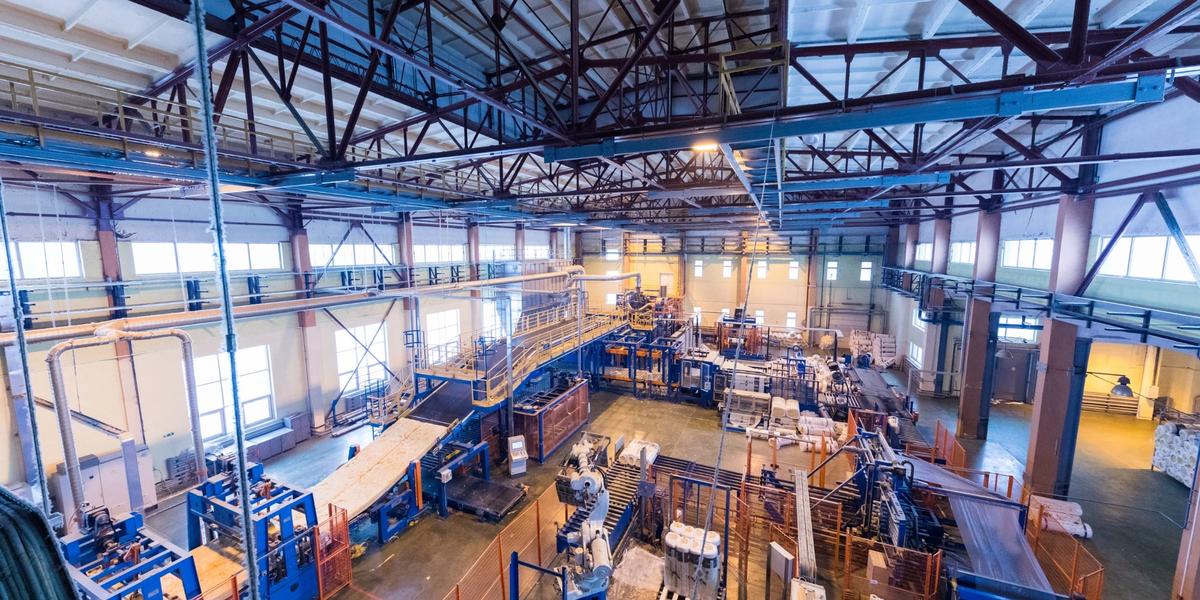
Egyptian Manufacturing Access
Niniola lawal
Click to view profile
The manufacturing sector across the northern region is undergoing a rigorous transformation driven by digital integration and sovereign production goals. Firms have moved beyond basic assembly to the design and construction of complex industrial systems that prioritise precision and local value addition. This shift is repositioning the region as a primary hub for high-tech manufacturing and industrial exports on the global stage.
The Dawn of Production-Led Prosperity
For decades, the regional economy was often viewed through the lens of consumption and transit. However, the current shift toward a production-led model is fundamentally altering the DNA of African companies. By prioritising the domestic manufacture of high-value goods, these firms are reducing their vulnerability to global supply chain shocks.
The physical infrastructure of these industrial giants is now being mirrored by a sophisticated digital layer. Modern facilities are increasingly integrating automated systems to manage everything from floor-to-floor logistics to real-time quality control. This fusion of heavy industry and high technology is what places these entities among the top African startups to watch as they scale their operations across the continent.
Digital Integration and the Industry 4.0 Leap
The most successful leading companies in Africa are those that have embraced the fourth industrial revolution with clinical efficiency. This has manifested as a surge in IoT adoption within the manufacturing sector to drive predictive maintenance and asset tracking. According to recent economic data, non-oil manufacturing activity in key northern hubs grew by 14.5% in the first quarter of the 2025/2026 fiscal year.
This growth is being fuelled by a strategic focus on high-productivity sectors like automotive components and pharmaceuticals. Expert company analysis in Africa suggests that firms incorporating smart sensors and cloud-based analytics are seeing up to a 30% increase in operational throughput. These technological updates or trends ensure that local factories can meet international standards while maintaining a competitive cost structure.
Sovereign Electronics and the Mobile Revolution
One of the most visible indicators of this industrial renaissance is the rapid expansion of the electronics sector. Regional initiatives have successfully attracted global giants to set up local production lines. Officials now project that the market will see the manufacture of over 15 million mobile phones in 2026, a significant jump from the 10 million units produced just a year prior.
This massive capacity expansion is a clear signal to international investors that the region is ready for high-tech manufacturing. By achieving a local added value of roughly 40% for these devices, firms are proving they can handle complex assembly and component sourcing. This burgeoning ecosystem is creating thousands of high-skilled jobs and positioning the region as a digital export hub for the wider Mediterranean and African markets.
Financing the Future of Industrial Expansion
The sheer scale of this transformation requires a level of capital investment that has historically been difficult to secure. However, current development plans target massive investment in the manufacturing sector for the 2026 period. This represents a 154% annual increase in specific territories, with the private sector expected to contribute over 83% of this total.
This influx of capital is directed toward deepening local manufacturing for imported components, particularly in the chemicals and furniture industries. Strategic directions now focus on establishing industrial complexes that offer ready-to-use units for smaller players. By lowering the barrier to entry, regional authorities are ensuring that the next generation of industrial titans can emerge from the startup ecosystem.
Scaling Through Strategic Localization
The ultimate goal of this industrial push is to create a self-sustaining cycle of innovation and export. Leading firms are no longer content with serving only their local markets; they are actively seeking to triple their exports over the next five years. This ambition is supported by new investment incentives that allow companies in underserved areas to deduct significant portions of their investment costs from taxable profits.
These moves are designed to foster a more balanced industrial structure that can withstand the ebbs and flows of the global economy. By focusing on value-added industries like green hydrogen inputs and electric vehicle components, these firms are future-proofing their operations. The result is a robust manufacturing base that serves as a beacon of stability and growth for the entire region.
Explore how regional manufacturing firms are leveraging Industry 4.0 to lead African companies into a new era of production-led economic growth.
Visit thisisbusiness360 for more.