Formalizing Informal Businesses for Growth

Deborah Osifeso
Click to view profile
Investing in Africa's emerging markets presents both challenges and exciting opportunities, especially since many businesses operate in the informal sector. These ventures, though not always formally registered, play a crucial role in shaping the continent’s economy, impacting everything from local supply chains to digital platforms. Their influence is undeniable, even though it's often hard to measure.
For global investors looking to tap into Africa's potential, it’s essential to understand the transition many informal businesses are undergoing. As they formalize their operations, these businesses unlock new possibilities. Formalization allows them to access vital resources such as credit, contracts, and partnerships that were previously out of reach.
The Scale of Informal Enterprise in Africa
Informal work accounts for a majority of economic participation in many African countries. For example, about 83% of non-agricultural employment in sub-Saharan Africa falls within the informal sector.
In West Africa, informal traders and farm operators move large volumes of produce that never enter formal records. This creates vast economic activity that is unregistered, untaxed, and often unsupported. Mapping this activity reveals deep entrepreneurial ecosystems that could be harnessed through structured engagement.
Why Formalization Matters for Growth
Formal status unlocks access to formal financial services, legal protections, and contractual rights. Only 43% of adults in sub-Saharan Africa have a formal financial account, limiting access to credit and saving products that firms need to scale.
Registered businesses can build credit histories, enter supply contracts, and participate in regional trade frameworks. For investors and operators alike, formalisation is a marker of risk mitigation and growth capacity rather than merely a bureaucratic step.
Barriers That Keep Businesses in Informality
Cost is often the first hurdle. High fees, repeated approvals, and unclear procedures discourage small operators from formal registration. This is especially true in regions where administration costs absorb more of the firm’s cash flow than the expected benefits of formal status.
Complex compliance also features prominently. Entrepreneurs juggling daily production and sales rarely have the time or support to learn tax codes, licensing rules, and reporting expectations. Without easy onboarding or support services, many opt to remain informal where visibility is low, but survival is higher.
What Works in Formalisation Programmes
Simplified registration portals and one-stop business windows increase formalisation uptake. Governments that streamline processes reduce the time and cost burdens on new entrants, thereby encouraging compliance. This approach has accelerated registration in several West African states.
Combining incentives with training yields even better results. When small firms receive financial literacy education alongside registration assistance, they stay compliant and build capacity to scale. These programmes also expand participation by women and youth, increasing inclusion while growing economic output.
Technology as a Catalyst for Formal Entry
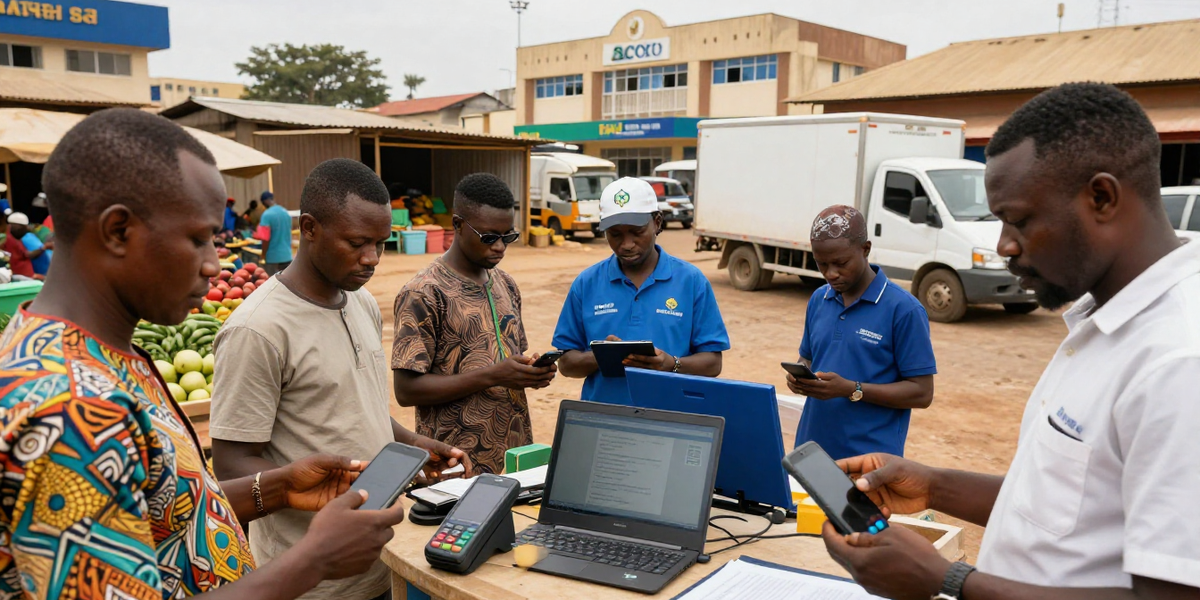
Digital tools now make business formalisation easier than traditional systems ever did. Mobile business registration, digital tax filing platforms, and simple compliance apps reduce friction that previously deterred small operators. Entrepreneurs can now access these services even from remote areas.
Mobile money adoption further supports this shift. In sub-Saharan Africa, over 66% of global mobile money transactions are processed on local platforms, reflecting widespread digital activity. These digital footprints also create transaction data that banks, investors, and partners can use to assess risk and opportunity.
Financing the Transition from Informal to Formal
Access to formal capital remains a core challenge for emerging enterprises. Blended finance models that combine grants, affordable loans, and technical assistance help businesses cover registration costs, adopt necessary systems, and build resilience. Investors who back these solutions improve both sustainability and returns over time.
Impact investors and development finance institutions increasingly support efforts to accelerate formalization. By pairing finance with business development services, they help small firms meet compliance requirements while building efficient operations. Formal enterprises, in turn, are more attractive to long-term partners and commercial lenders.
Strategic Considerations for Investors
For investors evaluating market entry in Africa, formalisation signals readiness for structured engagement. Formally operating businesses are easier to assess, value, and integrate into regional supply chains. Formal firms also provide clearer data, which improves risk assessment and strategic planning.
Partnering with local intermediaries such as business incubators, chambers of commerce, and compliance advisors strengthens entry strategies. These partners translate informal activity into structured opportunities that global investors can engage with more confidently. Such collaboration also accelerates value creation for local communities.
Practical Tips for Entrepreneurs and Investors
Entrepreneurs should prioritise basic record keeping and revenue tracking from day one. Digital tools for invoicing, receipts, and client management create credible documentation that simplifies compliance when needed. This practice also enhances operational transparency and investor appeal.
Investors supporting formalisation should integrate mentorship, digital tool adoption, and financial planning into capital deployment. Capital alone rarely solves structural barriers; combining funds with capability building improves adoption and operational success. This integrated approach also builds stronger ecosystems that benefit all participants.
Formalizing informal businesses unlocks scalable growth across Africa. Explore market trends, agribusiness insights, and investor strategies shaping formal enterprise expansion in emerging markets in Africa.
For more content like this. Visit our website.