Ports, Rail & Trade Corridors
Vera Ifechukwu
Click to view profile
Efficient ports, railways, and trade corridors are essential to Africa's transport and logistics industry, connecting producers to markets within the continent and beyond. Improved infrastructure reduces costs, accelerates trade flows, and strengthens economic resilience. This article will provide updates on trends in transport corridors and practical insights that help businesses, policymakers, and investors understand the changing dynamics of Africa’s trade landscape.
Strategic Importance of Ports for African Trade
Ports serve as gateways to global markets and as critical nodes in Africa’s transport network, facilitating exports and imports. Key maritime hubs link regional supply chains to international shipping routes, supporting both intra-African and external trade.
According to the African Development Bank, 90% of Africa’s trade flows through seaports, yet inefficiencies and congestion are estimated to cost African economies around $35 billion annually due to delays and extra handling costs. These figures underline why port modernisation remains a top priority for regional competitiveness.
Improving port capacity and efficiency through automation, expanded terminals, and streamlined customs processing enables faster cargo handling and strengthens regional logistics hubs that support trade with landlocked neighbours.
Rail Networks as Economic Enablers
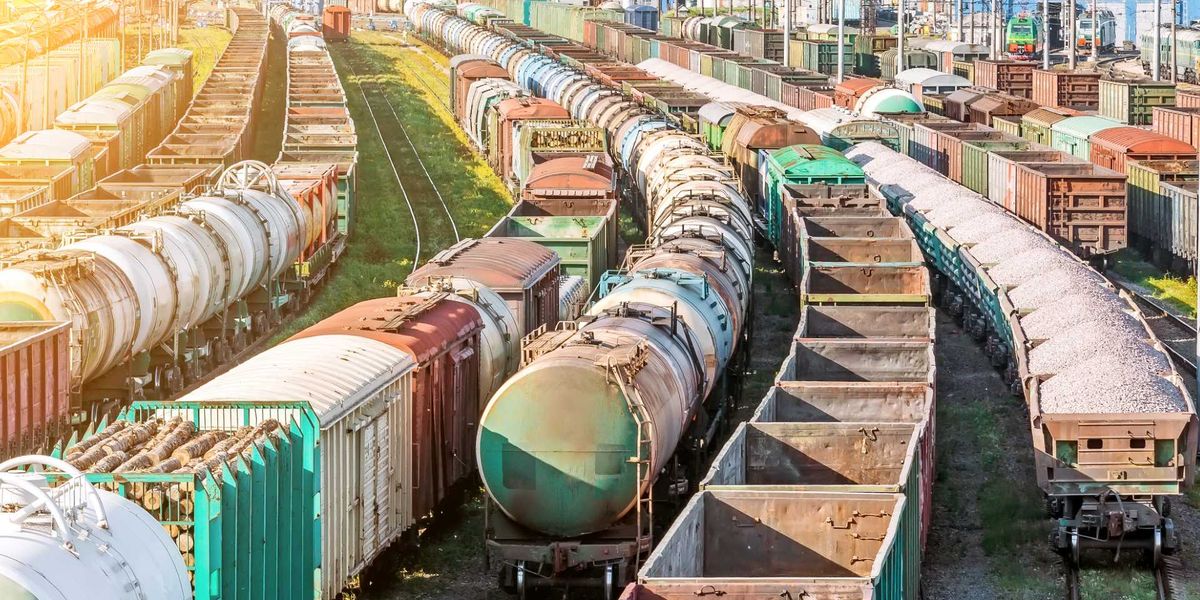
Rail infrastructure is increasingly recognised as a backbone of continental trade, offering cost-effective and more environmentally friendly freight movement compared to road haulage. Modern rail networks reduce delivery lead times and connect production regions to export gateways.
For example, the revival of key rail corridors, such as the Angola-DRC-Zambia Lobito Corridor, is projected to reduce logistics costs and dramatically expand transport capacity, enhancing access to Atlantic ports for mineral exports.
Investment in rail upgrades is expected to support trade efficiency and lower transport barriers. Upgrading rail infrastructure also helps diversify freight movement across modes, increase reliability, and integrate isolated markets into regional value chains that support growth across multiple industries.
Regional Trade Corridors Opening Market Access
Trade corridors that combine road, rail, and port links are key to unlocking Africa’s intra-continental commerce and reducing dependency on external routes. Well-connected corridors improve the movement of goods between cities, across borders, and to ports.
Freight demand projections indicate that intra-African trade volumes could increase significantly by 2030, requiring upgrades to more than 60 000 km of critical transport infrastructure. Analysts forecast increased freight flows that demand efficient corridors to remain competitive.
For businesses and governments alike, prioritizing corridor infrastructure supports reduced transit times, lower tariffs, and enhanced regional cooperation, thereby attracting investment and building resilient supply chains.
Case Study: West African Routes
In West Africa, major routes such as the Abidjan-Lagos Coastal Corridor play a central role in regional trade but face challenges related to congestion and administration. The corridor carries over 50 million tonnes of freight annually, representing more than 70% of ECOWAS GDP.
Despite its importance, heavy bureaucracy and informal checkpoints slow transit and increase costs for traders, emphasising the need for policy reforms and infrastructure investment that streamline movement and reduce barriers. Addressing these challenges enhances corridor performance, improves market access for businesses, and expands trade opportunities across West African economies.
Innovations Improving Trade Corridor Efficiency
Digital technologies and logistics platforms are transforming corridor performance by enabling real-time tracking, automated customs documentation, and enhanced coordination across modes. These innovations help diminish delays, reduce paperwork, and increase transparency.
For instance, digital freight platforms that integrate rail and port data improve shipment visibility and support faster clearance times. Enhanced connectivity across infrastructure assets also attracts private capital and supports data-driven decision-making.
By embracing digital tools and encouraging data sharing among stakeholders, the African industry can reduce bottlenecks and enhance competitiveness in regional and global markets.
Practical Tips for Businesses and Stakeholders
Businesses involved in transport and logistics should prioritise multimodal planning that fully integrates ports, rail, and road networks to optimise cost and delivery times. Partnerships with corridor management bodies and logistics providers help improve coordination and access to key routes.
Investing in staff training on customs compliance, documentation, and digital tools enhances operational efficiency. Engaging with policymakers to support regulatory reforms that simplify border procedures can also reduce delays and costs. Strategic participation in corridor development discussions positions companies to leverage infrastructure improvements and expand market reach.
For more insights and trends shaping the transport and logistics industry in Africa, and how ports, rail, and trade corridors can transform business opportunities. Visit our website: www.thisisbusiness360.com