Renewable Energy Investment Paths: Your Gateway to Africa's Clean Energy Boom
Andy Akinbamini
Click to view profile
Africa’s renewable energy sector offers outstanding business opportunities for investors looking to tap into one of the world’s most dynamic clean energy markets. With abundant solar and wind potential still largely underdeveloped, the continent presents significant room for expansion and long-term growth.
Investing in Africa’s renewable sector involves exploring a range of entry options, from large-scale utility projects to decentralized energy solutions that serve homes, businesses, and remote communities. The sector continues to gain momentum as more governments, private companies, and international partners prioritize sustainable energy development across emerging markets in Africa.
Utility-Scale Solar and Wind Projects
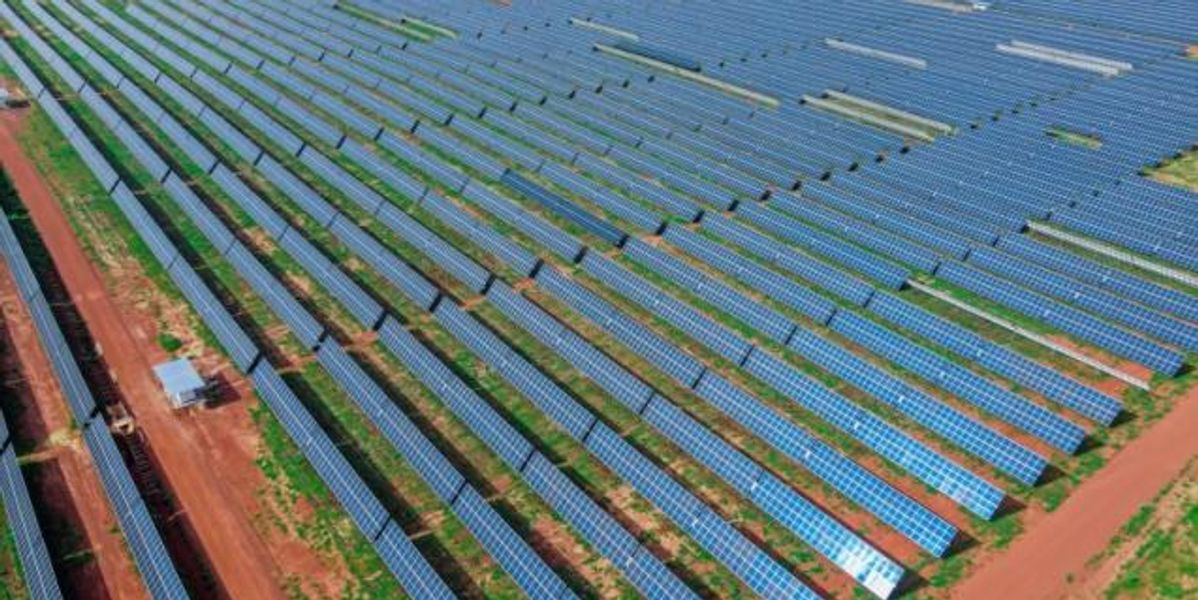
Large solar and wind installations represent the most established investment opportunities in renewable energy across Africa's leading markets. South Africa, Egypt, Morocco, and Kenya have structured procurement programmes that provide clear rules and guaranteed purchase agreements, attracting international capital.
South Africa alone accounts for 17% of Africa's renewable capacity through its successful REIPPPP framework, whilst Morocco's Noor Ouarzazate complex demonstrates the continent's ability to deliver world-class concentrated solar power projects.
Off-Grid and Distributed Energy Solutions
Growth opportunities in Africa extend beyond utility-scale projects into distributed renewable systems serving unelectrified communities and commercial customers. Pay-as-you-go solar home systems have connected millions of households through innovative mobile payment models that eliminate upfront costs.
Mini-grids powered by solar, wind, or hybrid configurations provide reliable electricity to remote villages and industrial operations, generating steady returns for patient investors who understand local market dynamics and customer payment behaviours.
Development Finance and Blended Capital
Market entry in Africa for renewable investors increasingly involves partnerships with development finance institutions that provide concessional capital to de-risk projects. DFIs contribute $10-12 billion annually to African clean energy, offering long-term debt at below-market rates, currency hedging, and political risk guarantees.
Blended finance structures combine DFI concessional funding with private equity and commercial debt, reducing overall capital costs whilst maintaining acceptable risk-adjusted returns for institutional investors seeking exposure to emerging markets in Africa.
Green Hydrogen and Emerging Technologies
Emerging markets in Africa are positioning themselves at the forefront of green hydrogen production, leveraging abundant renewable resources and export infrastructure. Namibia's $9.4 billion green hydrogen project aims to produce 300,000 tons annually by the late 2020s, whilst South Africa explores repurposing fossil fuel infrastructure for hydrogen exports.
Battery storage, smart grids, and energy-efficiency upgrades create complementary opportunities for technology-focused investors who can deliver innovative solutions to address Africa's reliability challenges.
Regional Investment Hotspots
How to invest in Africa varies significantly by geography, with North and Southern Africa offering more mature regulatory frameworks compared to emerging Sub-Saharan markets. Egypt, Morocco, South Africa, and Kenya provide the most established pipelines with proven procurement mechanisms and creditworthy off-takers.
Countries like Ghana, Senegal, Tanzania, and Namibia offer higher-risk, higher-reward opportunities that require deeper local partnerships and longer development timelines, but they also offer first-mover advantages in rapidly growing markets with supportive government policies.
Structuring Your Market Entry
Investment opportunities in renewable energy require careful structuring to balance risk and return whilst navigating Africa's diverse regulatory environments. Direct equity in project companies offers control and potentially higher returns but demands substantial capital and technical expertise.
Private equity funds focused on African renewables provide diversification whilst leveraging professional management teams with local market knowledge. Infrastructure debt, green bonds, and co-investment alongside DFIs offer lower-risk exposure suitable for conservative institutional mandates seeking stable, long-term cash flows from operational assets.
Unlock Africa's Renewable Energy Potential Today
The opportunity to invest in Africa's renewable transformation is accelerating as technology costs decline, policy frameworks strengthen, and capital markets mature. With the continent requiring $30 billion annually to meet electrification targets by 2030, early movers who position themselves strategically will capture disproportionate value in growth opportunities in Africa.
Discover renewable energy investment opportunities in Africa. Learn more about how to invest in solar, wind, and emerging markets across the continent. Visit our website.