The African Energy Outlook
Vera Ifechukwu
Click to view profile
The energy industry in Africa plays a foundational role in economic development and social progress, powering homes, businesses, and industries across the continent. From fossil fuels to renewables, African nations are balancing energy demand with sustainability goals and innovation strategies.
This article provides updates on trends in power capacity, energy access, and investment, highlights challenges, and offers practical advice for businesses and stakeholders seeking growth opportunities. The focus is on how the industry is transforming to meet rising needs while showcasing Africa’s potential.
Electricity Access and Ongoing Challenges
Access to reliable electricity remains one of the most pressing challenges for many African communities, impacting quality of life, productivity, and economic participation. Millions of people still lack access to modern energy services despite progress in policy and infrastructure.
According to energy access data, only about 58% of Africa’s population has access to electricity, leaving around 626 million people without basic power services, and the number is projected to rise under current trajectories.
Renewable sources now increasingly contribute, but gaps in grid reach and infrastructure persist. Energy poverty slows business growth and limits industrial expansion, making targeted investment and diversified solutions essential for broader access and development.
Renewable Energy Growth and Capacity Expansion
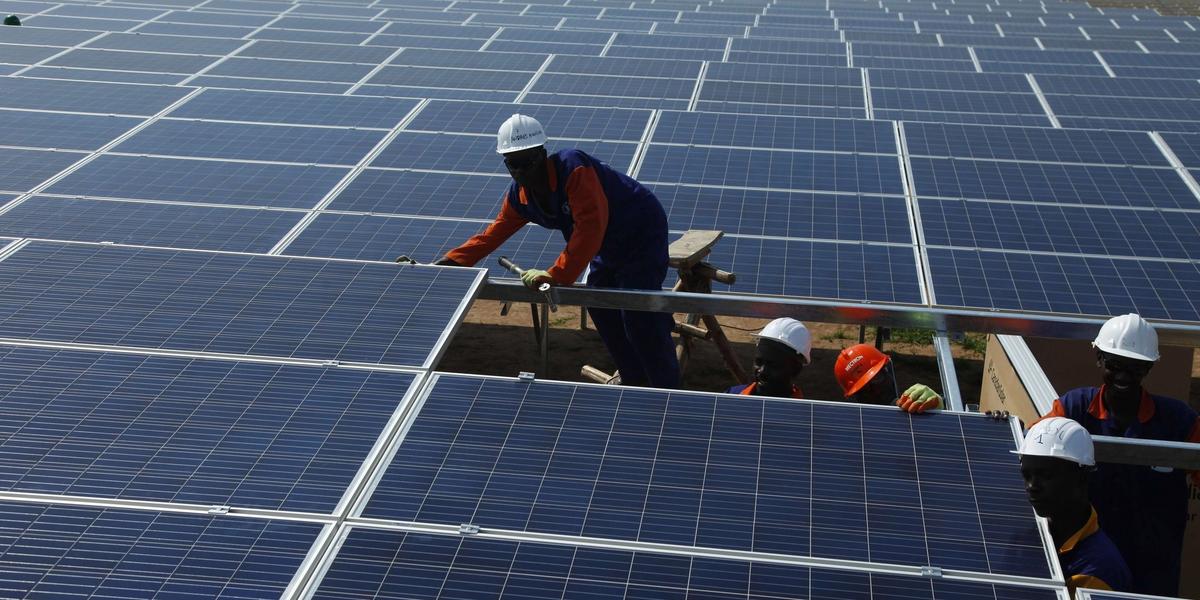
The renewable energy sector in Africa is expanding, driven by solar, wind, and hydropower projects that extend power capacity and reduce dependence on fossil fuels. These sources also help countries diversify energy portfolios while lowering long-term costs.
In 2024, Africa’s renewable energy capacity grew significantly, adding 4.2 GW, representing about 6.7% year-on-year growth and bringing total capacity to around 67 GW. Hydropower remains the largest contributor, but solar and wind projects are increasingly prominent. These additions signal momentum for clean energy adoption, offering opportunities for investment, jobs, and climate resilience across multiple regions.
Investment Trends and Market Dynamics
Investment trends in Africa’s energy sector present a complex picture: rising interest in renewables alongside ongoing capital needs for fossil fuel and infrastructure development. The continent has vast potential but remains underfunded relative to its size and needs.
Current figures show Africa receives only 2% of global clean energy investments despite hosting 20% of the world’s population and significant renewable potential. Public and private funding are crucial to scaling both traditional and clean energy projects to address access gaps.
Foreign direct investment remains a key contributor, with renewables accounting for a rising share of energy investments, though much of the equipment and technology is imported.
Role of Oil, Gas, and Transition Fuels
Fossil fuels remain an important part of Africa’s energy mix, particularly for nations with abundant oil and gas resources that feed domestic demand and export markets. Oil and gas investments are poised for a resurgence as explorers pursue new production opportunities.
Projections suggest Africa’s oil and gas production could reach around 11.4 million barrels per day by 2026, bolstered by investment in offshore and onshore projects across Nigeria, Angola, and other producing nations. Natural gas is also viewed as a transition fuel that can support cleaner power generation and reduce reliance on more carbon-intensive sources such as coal in some regions.
Innovation and Off-Grid Solutions
Energy Industry Landscape technologies and off-grid solutions are making electricity more accessible in remote and underserved areas, reducing reliance on large centralised grids. Mini-grids, solar home systems, and distributed renewable systems are helping extend energy access to rural populations.
Projects deploying renewable mini-grids aim to provide reliable power to millions of people outside traditional grid coverage, also boosting local economic activity and social services. Digital technologies further enable smart metering, demand management, and remote system monitoring, improving efficiency and lowering operational costs for providers and consumers alike.
Practical Advice for Investors and Businesses
Businesses exploring the energy industry in Africa should prioritise partnerships that blend local knowledge with technical expertise to navigate regulatory and market complexities. Engaging with community stakeholders helps ensure deployment strategies align with local needs and build trust.
Investors should consider a diversified energy mix, balancing opportunities in renewables, transition fuels, and off-grid solutions that address both access gaps and growth potential. Analysing policy incentives, such as tax breaks and favourable tariffs, can enhance investment returns.
Explore the energy industry in Africa, including key trends, capacity growth, access challenges, and investment dynamics shaping power markets today.
Visit our website.