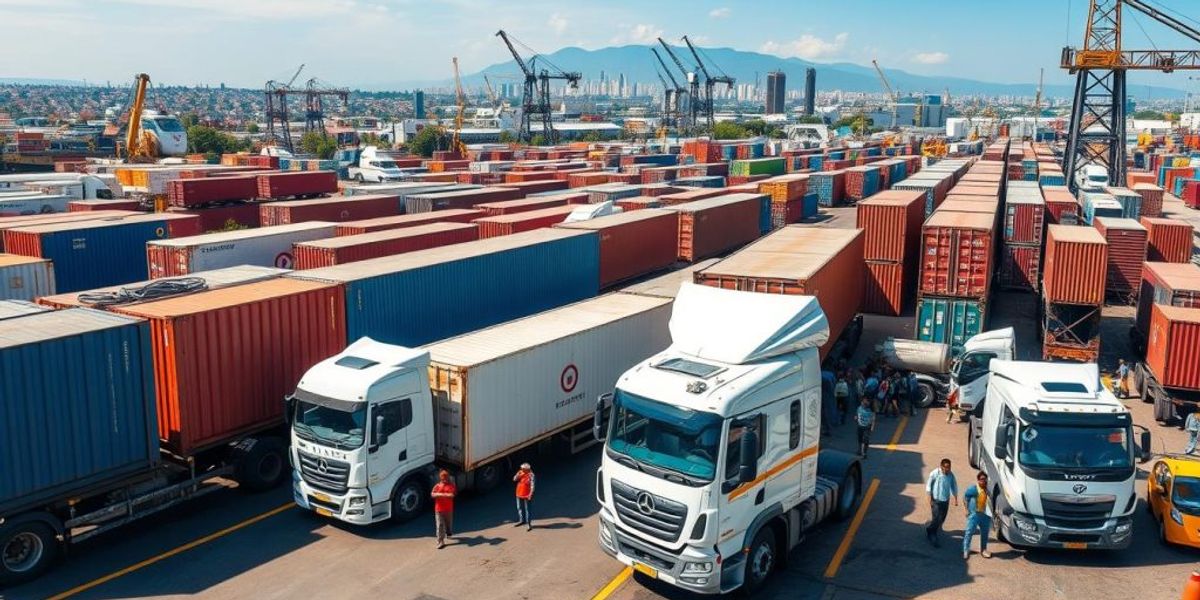
Transport & Logistics in Africa
Vera Ifechukwu
Click to view profile
The transport and logistics industry in Africa is a critical pillar of economic growth, enabling the movement of goods, people, and services efficiently within and across borders. Countries and private players are investing in roads, railways, ports, and digital systems to make supply chains more competitive and resilient.
Emerging trends provide updates on how technology and infrastructure improvements are addressing long-standing challenges. These changes are vital to showcase Africa’s potential as a global trade corridor and regional economic hub.
Connecting the Continent through Megaprojects
The push to improve Africa’s transport corridors is reshaping how markets link and trade flows expand. Large projects aim to bridge gaps that have historically limited the efficient movement of goods.
For example, the ongoing development of the Trans-African Highway Network will span more than 56 000 km and reduce transport costs that currently account for up to 40% of commodity prices in some landlocked nations.
Improved connectivity not only lowers freight costs but also opens up new regional value chains, encouraging companies and investors to scale operations across borders.
Market Growth and Economic Potential
The logistics sector’s value and activity levels show strong momentum as trade volumes and technology adoption increase across Africa. The industry is expanding and attracting strategic capital.
According to industry forecasts, the freight forwarding market in Africa is projected to reach more than US$157 billion by 2025, with goods volumes exceeding 500 billion tonne-kilometres. This growth reflects expanding trade activity, rising consumer demand, and the strategic importance of efficient logistics for economic inclusion.
West Africa as a Logistics Hotspot
Regional markets across Africa are showing differentiated growth in transport and logistics due to infrastructure investments and policy reforms under the AfCFTA and regional integration strategies.
The West Africa freight and logistics market is estimated at over USD 27 billion in 2025 and expected to reach USD 37 billion by 2030. This trend highlights growing demand for road, sea, and air cargo services and reflects opportunities for local businesses and international partners to scale operations.
Infrastructure Investment Boosting Efficiency
Investment in transport infrastructure is key to tackling bottlenecks that slow down supply chains and increase costs. Ports, railways, and roads are central to this effort. Several African countries are planning upgrades and inviting private participation to strengthen logistics capacity.
South Africa’s state-owned logistics operator is investing billions into modernising rail and port infrastructure to improve freight mobility and reliability. Upgrades that prioritise maintenance and resilience help reduce delays, lower transport costs, and support consistent export growth across sectors.
Technology and Digital Innovation
Transport and logistics firms across Africa are increasingly using technology to streamline operations and improve visibility. Automation, route optimisation, and digital platforms are key trends reshaping the sector.
For instance, digital freight services and e-logistics platforms are improving cross-border documentation, customs clearance, and cargo tracking, making trade more transparent and efficient. Such innovations are reducing friction, enhancing service quality, and expanding capacity for businesses of all sizes.
Practical Tips for Business Growth
Businesses operating in Africa's transport and logistics industry should prioritise multimodal solutions that integrate road, rail, and maritime services to optimise delivery times and costs. Leveraging data analytics and real-time tracking helps reduce bottlenecks and increase customer satisfaction.
Partnering with local infrastructure developers and government agencies can unlock access to new corridors and funding sources. Firms should also explore digital tools that strengthen last-mile delivery and cross-border settlements.
Frequently Asked Questions
What role do transport and logistics play in Africa’s economy?
It connects producers to markets, reduces trade costs, and supports economic diversification and job creation.
Which infrastructure projects are transforming logistics in Africa?
Major corridors like the Trans-African Highway Network and deep-sea port developments are improving connectivity across regions.
How fast is the logistics sector growing?
The freight forwarding market alone is projected to exceed US$157 billion by 2025.
What are the major trends shaping logistics operations?
Digital platforms, integrated transport networks, and partnerships with private investors are enhancing efficiency and capacity.
Explore how the transport and logistics industry in Africa is evolving with massive growth potential, infrastructure upgrades, and trends reshaping intra-continental trade. Visit our website.