Discover how African infrastructure and property value intersect to double real estate returns. Learn current market trends and smart investment strategies.
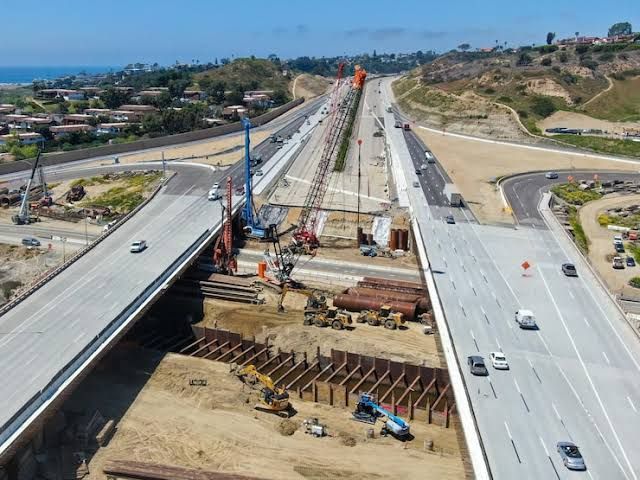
Public investment is quietly fueling the fastest real estate wealth boom in modern African history. Across major urban hubs, new transport corridors and utility grids are turning quiet lands into goldmines. Investors who understand this dynamic can secure high-yield assets long before general buyers notice. Strategic state spending builds foundational value, while private investors capture the exponential market growth that follows.
How Public Transit and Roads Multiply Capital Value
Transportation access drastically cuts daily commute friction across expanding African megacities. When travel times fall, tenant demand spikes overnight, allowing property owners to adjust rental rates upward. According to economic analysis published by MDPI Housing Studies, infrastructure investments contribute over half of Africa's total GDP growth in recent years, proving that transport links directly underpin regional commerce.
Residential homes situated near modern rail stations experience significantly faster rental uptake and higher overall lease yields. Meanwhile, highway corridor expansion projects unlock vast stretches of suburban land, making early land acquisitions extraordinarily profitable for forward-thinking investors.
At the same time, research from the World Bank Infrastructure Division shows Sub-Saharan Africa requires an annual infrastructure investment of 7.1% of GDP to meet expanding urban demands, highlighting the massive capital gap that early private real estate investors can exploit. Urban rail initiatives like the Lagos Blue Line Rail demonstrate how rapid transit access directly boosts surrounding land valuations along major transit lines.
Emerging Hotspots and Smart Cities Dynamics
The modern surge in Real Estate Development focuses heavily on resilient urban design and sustainable community living. Governments and private consortiums are integrating digital networks, drainage channels, and off-grid energy systems into master plans.
Data from the flagship Knight Frank Africa Research report indicates that prime urban nodes with integrated infrastructure consistently outperform unmanaged markets by driving up long-term capital retention. Master-planned Smart Cities command premium valuations over unmanaged urban sprawl because they offer superior living standards. Furthermore, advanced stormwater drainage systems protect long-term capital value during seasonal heavy rains, preserving physical structures and maintaining road accessibility.
Massive industrial developments like deep-sea ports, special economic zones, and refineries drive steady, high-income housing demand for corporate executives and skilled technical staff. Smart investors align their property search with verified municipal master plans to track where market trends are heading next.
Practical Tips to Capitalize on Market Trends
To maximize return on investment, savvy buyers must adopt proactive research habits. First, review official state development maps regularly to locate future ring roads, bypasses, and rail extensions before public bidding concludes. Second, verify project funding sources and construction timelines to ensure public infrastructure contracts are actively funded, thereby avoiding stagnant development zones.
Third, secure strategic land parcels during the initial announcement phase when government contract awards are published to capture maximum appreciation. Fourth, partner with seasoned real estate advisors who track local zoning shifts, government acquisitions, and land titles daily.
Our specialized advisory team provides up-to-date market analysis to help you make informed investment decisions. To explore customized property advisory services, learn more about our solutions on This Is Business 360. To provide updates and analyze market trends across fast-growing regions, our team continuously evaluates emerging high-yield corridors for high-net-worth individuals, institutional investors, and diaspora buyers seeking sustainable growth.
Frequently Asked Questions
How fast does infrastructure affect nearby property value? Land appreciation usually starts immediately after major project announcements, but the largest value spike occurs once physical construction reaches 80% completion.
Which infrastructure project offers the highest ROI? Mass transit rail lines and major highways yield the highest direct returns by dramatically increasing daily accessibility for urban workers.
What are the risks of investing near public projects? Project delays and temporary construction noise are common risks, but working with market experts helps mitigate these timing hazards effectively.
Transform Your Real Estate Portfolio Today
Ready to position your capital in high-growth infrastructure corridors? Partner with our market experts to identify high-yield property deals across prime African locations.
- Call Us: +234 806 496 8725
- Visit Our Website:www.thisisbusiness360.com