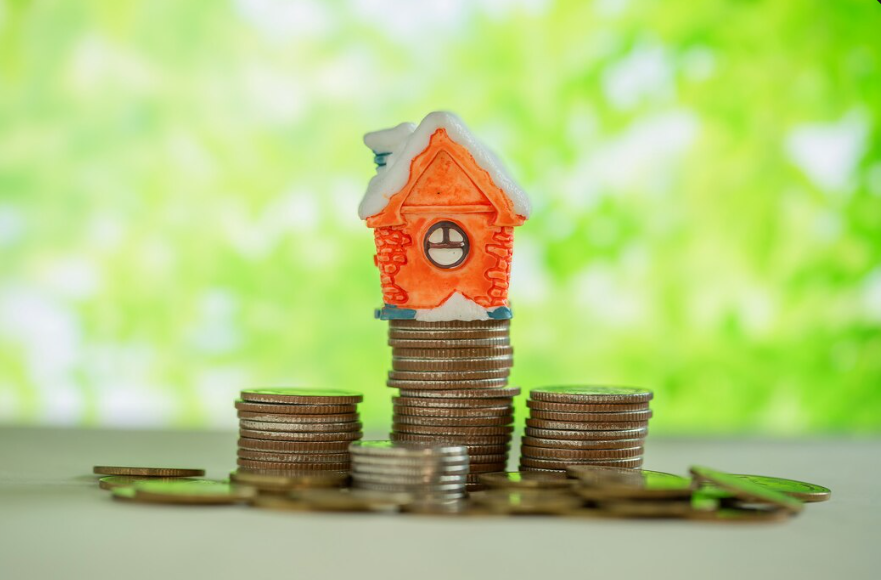
Learn how property inflation in Africa drives housing price increases. Discover causes, trends, and smart investment strategies in 2026.
Africa's real estate market is shifting fast. Property values are climbing across major cities. Property inflation in Africa is no longer a background concern. It is now a frontline economic reality. From Lagos to Nairobi, from Accra to Cairo, housing prices in Africa are hitting families hard. This article unpacks the drivers of inflation in Africa's property sector. By the end of this guide, you will understand market trends and causes, and know practical steps to protect your investment.
1. What Is Property Inflation and Why Does It Matter in Africa?
Property inflation means the steady rise in the cost of buying, renting, or building homes. In Africa, this trend is accelerating at an alarming rate in urban centers. When inflation rises, purchasing power drops, making homeownership a distant dream for many.
Real Estate markets in cities like Lagos, Nairobi, Johannesburg, and Abidjan are feeling this pressure intensely. According to the Estateintel Report, property values in key African cities rose by up to 20% in recent years. This is a wake-up call for buyers, developers, and policymakers across the continent.
2. Key Drivers of Housing Price Increase in Africa
Understanding the root causes helps investors and homebuyers navigate the market wisely.
- Rapid Urbanization
Africa has the fastest urban growth rate in the world. Millions relocate to cities every year. High demand for housing, with limited supply, drives prices sky-high quickly.
- Currency Depreciation
Weak local currencies against the US dollar spike construction material costs sharply. Developers pass these costs directly to buyers, fueling housing price increases in Africa.
- Limited Housing Supply
Africa faces a housing deficit of over 51 million units, according to the African Union Development Agency. Visit AUDA-NEPAD Housing Policy for continental housing gap data and policy updates. When supply cannot meet demand, prices rise steeply and consistently over time.
- Foreign Investment and Speculation
Increased foreign interest in African real estate drives prices beyond local affordability levels. Speculative buying creates artificial demand, inflating property values in prime city areas.
- Rising Construction Costs
Building materials like cement, steel, and glass have become significantly more expensive. Property inflation in Africa is partly a direct result of global supply chain disruptions.
3. How Property Inflation Affects Different Groups in Africa
Homebuyers
First-time buyers are priced out of major city markets like Lagos and Nairobi. Mortgage rates rise with inflation, making monthly repayments increasingly unaffordable.
Renters
Landlords transfer rising property costs to tenants through frequent rent hikes.
Rental prices in Accra, Cape Town, and Kigali have surged sharply in 2024 and 2025.
Developers and Investors
Inflation creates both challenges and opportunities for shrewd property developers. Areas with lower inflation indices offer better real estate investment returns.
4. Practical Tips to Protect Yourself from Property Inflation in Africa
You do not have to be a victim of rising property prices. Here are actionable strategies.
Tip 1: Buy Early in Emerging Markets
Identify growing urban fringes before prices peak in the city center. Early investment in up-and-coming areas yields the best returns long term.
Tip 2: Monitor Exchange Rates
Currency movement directly impacts the cost of building and buying property. Hedge your investment by diversifying across multiple property types and regions.
Tip 3: Work with a Certified Real Estate Professional
Qualified agents provide insights on pricing, negotiation, and legal processes.
Find credible professionals through the Estate Surveyors and Valuers Registration Board of Nigeria (ESVARBON) or relevant national bodies in your country.
Tip 4: Understand Government Housing Policies
Stay updated with affordable housing schemes and mortgage policies in your country. Some governments offer subsidies, grants, or low-interest loans for homebuyers.
Tip 5: Consider Off-Plan Properties
Buying property before construction completion often locks in lower, pre-inflation prices. This strategy is widely used by smart investors across Africa's major cities today.
Frequently Asked Questions (FAQ)
Q1: What causes property inflation in Africa? Urbanization, currency depreciation, limited housing supply, and foreign investment are major causes. Global factors such as supply chain disruptions also drive up construction costs across the continent.
Q2: Which African cities have the highest property inflation rates? Lagos, Accra, Nairobi, and Luanda consistently rank among the most expensive African cities. Rapid population growth and economic activity make these markets highly competitive.
Q3: How does the increase in housing prices in Africa affect renters? Landlords pass higher property costs to renters, driving up monthly rental prices. Many low-income households are forced to relocate to cheaper city outskirts as a result.
Q4: Can I still invest in real estate during high inflation in Africa? Yes. Strategic investments in emerging zones, off-plan properties, and diversified assets tend to perform well. Working with a qualified real estate consultant significantly reduces risk and maximizes returns.
Q5: What should first-time homebuyers know about property inflation in Africa? Start early, research growing areas, track exchange rates, and seek professional guidance. Access government-affordable housing schemes, where available, to reduce the financial burden.
Ready to Make Smarter Real Estate Decisions? Get expert property insights, market trends, and investment strategies tailored for Africa in 2025.
Visit us now: www.thisisbusiness360.com
Call/WhatsApp: +234 806 496 8725