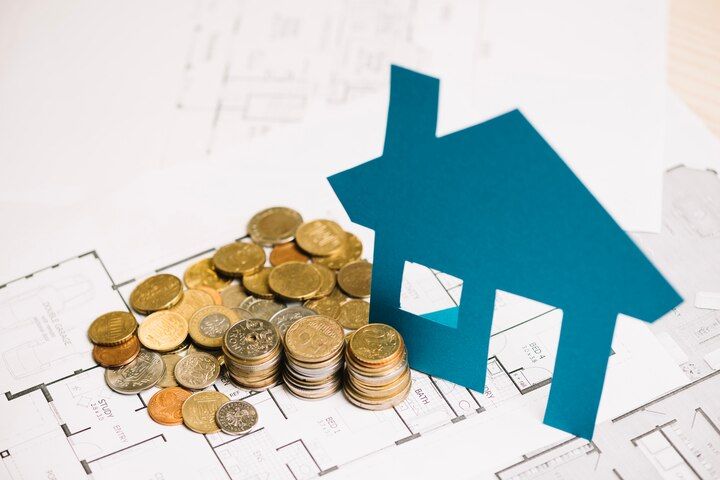
Master property inflation in Africa. Learn how rising costs impact your purchasing power, and discover smart timing strategies to protect your wealth today.
High inflation is completely rewriting the rules for how we buy homes and protect our money right now. With skyrocketing everyday costs quietly eating away at traditional savings accounts, leaving cash sitting in the bank feels like a losing battle.
Because of that, more and more people are turning back to tangible basics and are investing in physical real estate to protect their hard-earned wealth from losing value. If you're trying to secure your financial footing this year, understanding these shifts isn't just smart; it's exactly how you keep your future from being eroded by rising costs.
The Reality of Property Inflation in Africa
Inflation directly changes how much your money can buy. When the cost of building materials rises, developers pass those expenses onto buyers. This chain reaction drives up the prices of both new builds and existing homes.
For investors, tracking these shifts helps you protect your capital. You can read a detailed analysis of inflation's effect on local markets to see how prices shift. When currency values drop, physical land holds its intrinsic worth. Many experts now consider local real estate to be Africa's hardest currency in 2026 because it outpaces inflation. Recent indicators back up this trend, with the Central Bank of Nigeria's headline inflation data showing general living and construction pressures holding strong at 15.93%.
How Rising Costs Impact Your Purchasing Power
When inflation climbs, your cash loses its value over time. Saving money in a standard bank account often means you lose wealth daily.
- Higher Material Costs: The prices of cement, steel, and finishes are rising rapidly.
- Reduced Loan Affordability: Banks increase interest rates, making mortgages more expensive for everyday buyers.
- Increased Rental Yields: Landlords raise rents to keep up with the cost of living.
To beat these challenges, you must understand property inflation cycles in African markets before deploying capital. Buying early helps you avoid being priced out of fast-growing neighborhoods. The impact is evident across multiple regions; for instance, the Uganda Bureau of Statistics index reported that inflation in formal urban residential property recently reached a significant 10.5%.
Smart Timing Strategies for Buyers and Investors
Timing the market requires watching economic indicators and urban growth patterns. Waiting too long during an inflationary surge usually means paying much higher prices later.
- Buy Off-Plan Properties: Purchasing before construction finishes allows you to lock in lower prices.
- Target High-Demand Hubs: Cities expand quickly, driving consistent rental demand.
- Focus on Tangible Assets: Real estate offers a physical buffer that paper stocks cannot match.
Many people wonder if real estate is a good hedge during tough economic times. Historical data shows that property values generally match or exceed inflation rates over time.
Key Market Trends Reshaping the Continent
Rapid urbanization keeps demand high even when prices rise. Young professionals move to cities daily, creating a massive need for quality housing.
- Urban Migration: More people move to commercial centers, keeping vacancy rates very low.
- Foreign Investment Inflows: Diaspora buyers use strong foreign currencies to purchase local assets.
- Commercial Conversions: Developers turn residential spaces into co-working offices to maximize returns.
You can explore why property inflation is driving demand to see which specific cities grow fastest. Learning these patterns helps you choose areas with the highest potential gains.
Reviewing historical data reveals how inflation is reshaping property investment strategies in Africa in the long term. For a broader look at asset classes, check the debate on real estate vs stocks to balance your portfolio. Academic researchers also provide deep insights into sustainable development through this MDPI study on urban housing.
Frequently Asked Questions
Does property inflation affect all African cities equally? No, major commercial hubs grow much faster than rural areas. Capital cities experience higher demand and quicker price increases.
How can beginners hedge against rising property costs? Look for reputable developers offering flexible payment plans. Paying in installments helps you lock in current prices.
Is it better to buy land or developed buildings during inflation? Both work well, but developed buildings generate immediate rental income. Land offers lower entry costs but requires longer holding times.
Ready to secure your wealth and build a profitable property portfolio? We provide updates on the latest real estate opportunities.
- Call us today: +234 806 496 8725
- Visit our website:www.thisisbusiness360.com