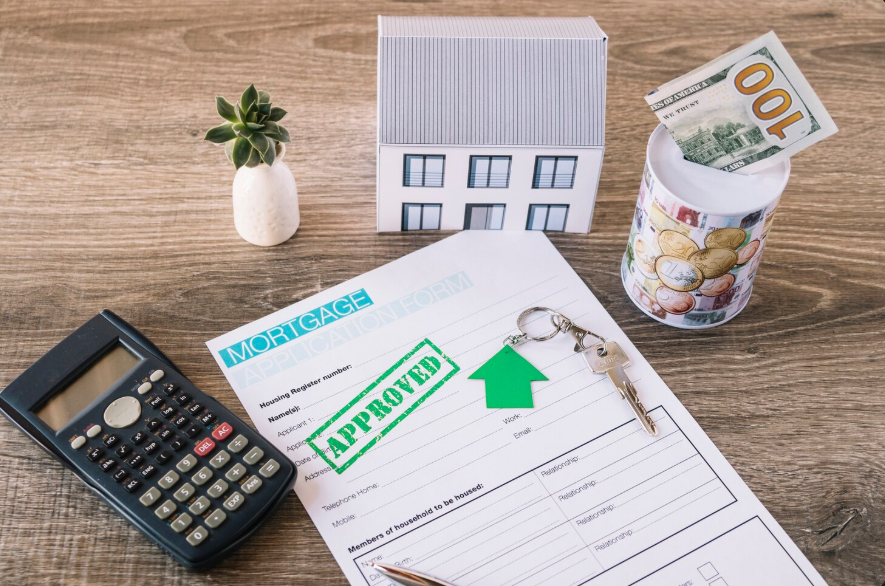
Master Capital Gains Tax on property sales. Learn how to legally minimize your tax bill and protect your real estate returns in 2026.
Selling a piece of real estate brings an exciting financial milestone. However, a major portion of your hard-earned profit could easily vanish without proper tax planning. Understanding Capital Gains Tax on property sales is the ultimate way to safeguard your investment returns this year.
This straightforward guide breaks down complex tax rules into clear, actionable steps. Whether you are a first-time seller or an active investor, you will learn how to navigate real estate taxes smoothly. Many individuals dive into the property market without calculating the hidden costs of compliance.
When you finalize a sale, the gross revenue often looks incredibly lucrative. Unfortunately, failing to account for statutory obligations can lead to unexpected cash flow shortages at closing. By learning the rules early, you place yourself in a position to negotiate better deals and maximize your take-home returns.
What is Capital Gains Tax in Real Estate?
Capital Gains Tax (CGT) is a direct levy charged on the profit made from selling an asset. When the value of your property increases, the government taxes that increase in value. You do not owe tax on the total money received from the buyer. Instead, you pay only a percentage of the actual net gain you realized during your ownership period.
To determine your exact liability, you must establish the asset’s original cost base. This baseline includes the initial purchase price along with associated acquisition fees. The tax authorities then compare this baseline against the final disposition value.
Global standards vary significantly across different continents and legal jurisdictions. For instance, the comprehensive Investopedia tax framework shows how different countries handle diverse asset classes. In Nigeria, the standard CGT rate is 10% of net profit.
Key Market Trends and Tax Regulations
Keeping up with current market trends is vital for anyone trading assets. Real estate values fluctuate rapidly due to inflation, infrastructural development, and urban migration. These valuation shifts directly impact your potential tax liability when it comes time to liquidate your portfolio holdings.
Local statutes strictly govern these property transactions within municipal jurisdictions. According to the structural guidelines on the DLA Piper Real World platform, corporate sellers face different compliance checks than individual citizens.
Furthermore, regulatory updates mean tax authorities are tracking property registries much more closely now. It is essential to monitor these regulatory shifts to avoid surprise audits. You can find more detailed legislative breakdowns via the Royal Heritage Law review and the Merit Abode property tax analysis.
Recent data highlights massive revenue shortfalls due to tracking gaps. A comprehensive LOGRI property tax reform study shows that property taxes contribute less than 0.1% of Gross Domestic Product (GDP) on average in Nigeria. By comparison, developed economies often collect close to 2 percent of their GDP from property levies. The same research indicates that taxpayer compliance remains incredibly low. For example, compliance rates fall below 25% in key states like Kaduna due to incomplete property records.
Strategic Tips to Minimize Your Property Sales Tax
You do not have to lose all your profits to the tax collector. Several legal strategies can help lower your overall bill. Savvy investors consistently use these methods to protect their capital and reinvest in larger projects. First, you must keep meticulous records of every transaction. Save every receipt for structural renovations, legal fees, and agent commissions.
These development expenses can be legally deducted from your final selling price, which directly reduces your taxable profit margin. Additionally, you should explore specific local exemptions. For example, many regions offer relief if the property serves as your primary personal residence. You can study the Above Advisory guide or the Digitax blog insights for deep strategic examples.
Common Mistakes to Avoid When Filing
Failing to plan for real estate taxes can lead to steep financial penalties and ruin your investment track record. Many sellers mistakenly believe that cash transactions remain completely invisible to federal revenue agents. However, modern tracking systems link land registries directly to banking networks.
One frequent error is ignoring secondary local levies. Sellers often forget about governor’s consent fees, stamp duties, and registration costs required to legally transfer titles. Another danger is failing to meet strict filing deadlines, which automatically incur severe daily fines from the Internal Revenue Service.
Lastly, understating your profit to evade tax leads to strict legal audits. For regional compliance steps, review the Keepam fiscal summary and the CTA Tax structural guide. Consulting a professional advisor ensures your documentation aligns perfectly with modern statutory requirements.
Frequently Asked Questions
Do I pay tax if I sell property at a loss? No. You only owe this specific tax when you realize a clear financial profit from a sale.
Are primary residential homes exempt from CGT? Many legal jurisdictions exempt private family homes from capital gains levies. Always verify your local state regulations first.
What expenses can I deduct from my property sale profit? You can legally deduct direct building costs, legal fees, advertising expenses, and agent commissions.
Take Action: Secure Your Real Estate Profits Today
Navigating property taxes requires precision, updated knowledge, and the right strategic partners. Protect your investments from costly compliance mistakes. We provide updates on tax law changes to help you maximize your investment returns. Contact our expert consulting team right now for personalized guidance.
- Call Us Directly: +234 806 496 8725
- Visit Our Website:www.thisisbusiness360.com