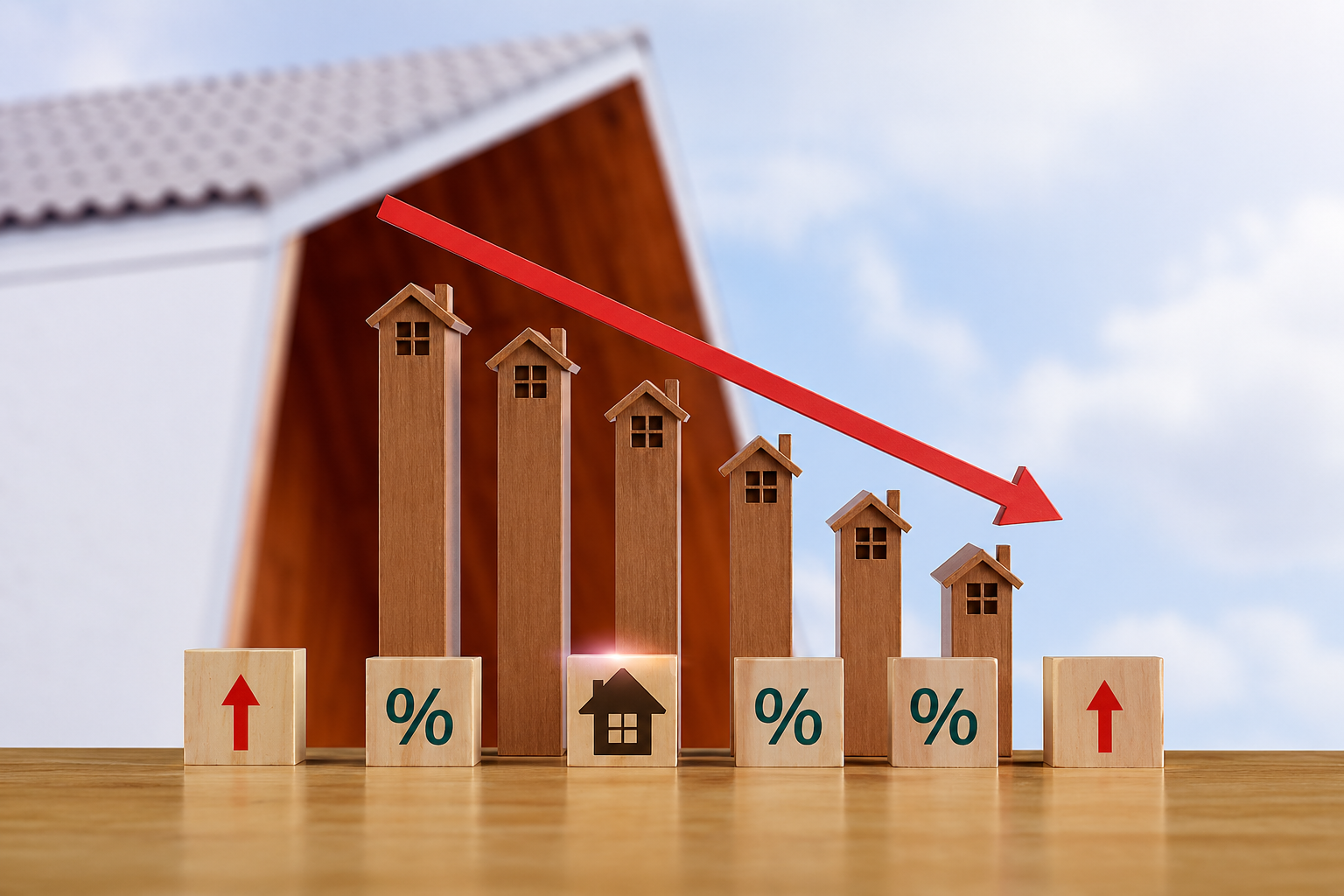
Discover why property inflation benefits Africa and how savvy investors turn rising costs into long-term wealth. Explore market trends and expert real estate tips for 2026.
Inflation often feels like a financial burden that erodes your purchasing power. However, for the strategic real estate investor, rising prices can actually become a powerful wealth-building engine. If you act now, you can lock in current valuations before the next market surge. This year, 2026, marks a pivotal moment for securing high-yield assets.
How Inflation Acts as an Investor’s Ally
In many global markets, real estate is viewed as a “hard asset.” This means its value tends to rise alongside, or even faster than, the cost of living. When the prices of goods and services rise, the replacement cost of buildings also increases. Recent data support this resilience; property investments now account for 22.3% of total investment allocations in key African markets, outperforming stocks and mutual funds.
- Debt Devaluation: Fixed-rate mortgages allow you to repay debt with “cheaper” currency as inflation rises.
- Price Appreciation: Property values in emerging hubs often outpace standard inflation rates significantly.
- Wealth Preservation: Real estate maintains intrinsic value even when paper currency fluctuates.
- Psychological Hedge: Tangible brick-and-mortar assets provide a sense of security during economic shifts.
Capturing Property Inflation Benefits Africa Market Trends
The African continent presents a unique landscape for property appreciation. Rapid urbanization and a growing middle class create a high demand for housing. Understanding these market trends helps you position your portfolio for maximum growth. High-demand areas show resilience even when other sectors struggle.
- Supply Shortages: High construction costs limit new builds, making existing homes more valuable.
- Rental Yields: Landlords adjust rents to reflect the current climate. In premium locations, investors are seeing yields of 15% or more on serviced apartments.
- Tangible Assets: Land is a finite resource that cannot be printed or devalued by central banks.
- Urban Growth: Cities like Lagos and Nairobi continue to expand, driving up land prices consistently.
Strategic Tips for Investing During High Inflation
To truly see how property inflation benefits Africa, you must focus on high-growth corridors. Look for areas with planned infrastructure projects. According to current market trends, early land acquisition in peri-urban zones has delivered an appreciation of 500-1000%within a decade in several West African cities.
- Focus on Prime Locations: Urban centers show the strongest resilience against currency dips.
- Diversify Your Assets: Mix residential rentals with commercial spaces to balance risk.
- Review Your Leases: Ensure rental agreements allow for adjustments based on economic indicators.
- Prioritize Maintenance: Keeping a property in top shape ensures it commands the highest price.
- Monitor Infrastructure: Follow road and rail projects to identify the next big investment zone.
Understanding the Hedge Against Uncertainty
Economic volatility often scares away the average person. However, professional investors look for a "bend not break" during uncertainty. By owning land, you are essentially holding a currency that everyone needs. This approach builds long-term stability.
- Value Growth: Real estate historically outperforms savings accounts during inflationary cycles.
- Fixed Costs: Buying now locks in your biggest expense while your income potential grows.
- Market Resilience: The need for shelter and business space remains constant across sectors.
- Tax Advantages: Real estate often offers unique benefits that help preserve total returns.
FAQs on Inflation and Real Estate
- Does inflation always lead to higher property prices? Generally, yes, because the cost of labor and materials to build new homes rises.
- Is it better to buy or rent during high inflation? Buying is typically better. It allows you to own an asset that grows in value while debt stays fixed.
- How do I start investing in a volatile market? Start by researching the regional impacts of inflation on local property sectors.
- What are the risks of property inflation? High interest rates can follow inflation. It is vital to have a solid financing plan.
- Can inflation affect rental income? Yes, inflation drives up rental rates as demand for existing housing increases.
Take Action Today
The best time to invest was yesterday; the second-best time is today. We provide updates on the latest opportunities to help you navigate the changing economy. Don’t let your capital lose value in a bank account. Our team is ready to support your buying journey.
Learn more about smart asset management at Titan Wealth. You can also explore local market insights to sharpen your strategy. Check out our investment guide for more tips. Visit our services page to see current listings. See how we help investors grow.
Call: +234 806 496 8725
Visit our website:www.thisisbusiness360.com