

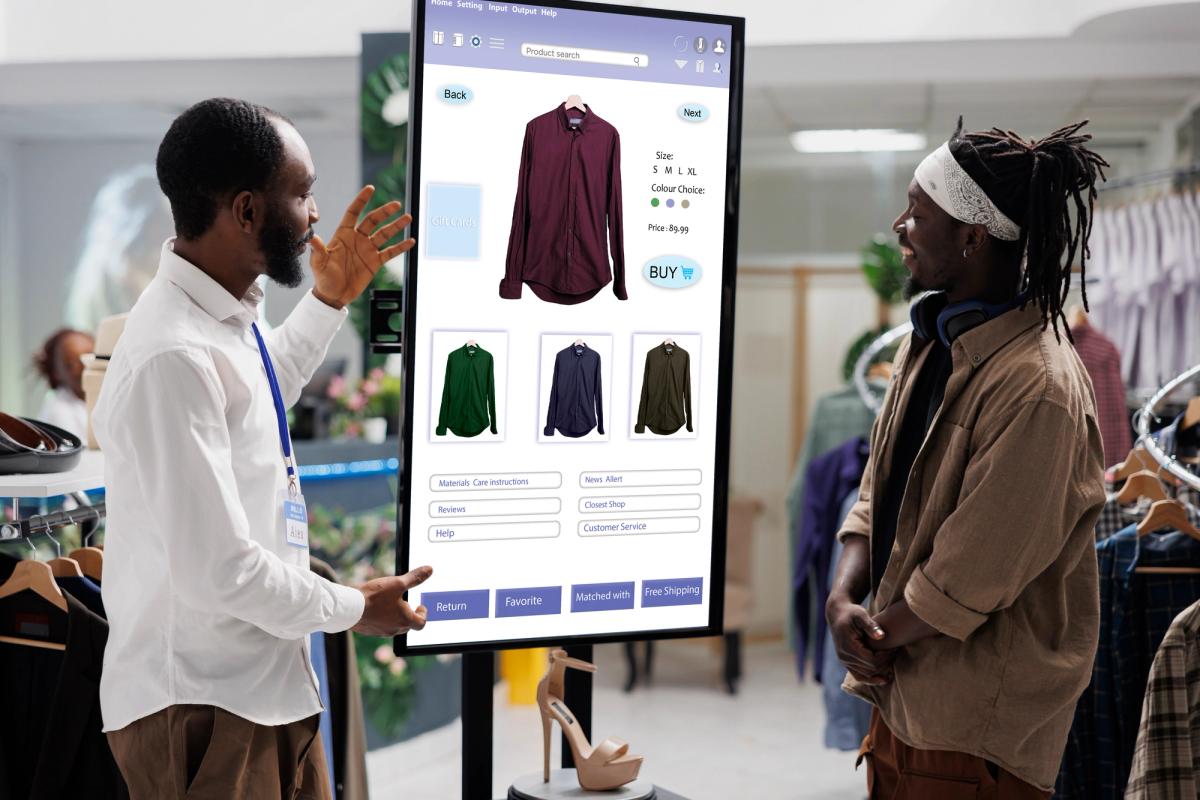
Build an omnichannel experience that keeps modern customers coming back. Learn the strategies, tools, and tips that turn browsers into loyal buyers today.
The omnichannel experience is no longer a cutting-edge strategy reserved for global retail giants with massive budgets. It is the new baseline expectation for any business that wants to stay relevant, competitive, and genuinely connected to the modern customer.
Today's shoppers move fluidly between social media, mobile apps, websites, and physical stores before making a single purchase decision. Businesses that meet them consistently across every one of those touchpoints are the ones earning trust, repeat business, and lasting commercial advantage.
What Omnichannel Really Means for Your Business
Omnichannel is not simply selling through multiple channels. It is creating a seamless, connected experience where a customer can discover your brand on Instagram, research on your website, ask a question via WhatsApp, and pick up in-store without encountering a single moment of friction or inconsistency. Every channel works together, sharing data and context, so the customer never has to repeat themselves or start the journey over from scratch.
Harvard Business Review research on omnichannel shoppers found that customers who used four or more channels spent more per shopping visit than those using a single channel, demonstrating that integration directly impacts purchase value. This insight should reshape how businesses think about channel investment: each additional touchpoint you connect adds commercial value beyond simple reach expansion.
The Core Pillars of a Strong Omnichannel Strategy
Building an omnichannel experience requires more than technology. It demands strategic alignment across your entire customer journey, from first impression to post-purchase loyalty.
- Unified Customer Data
Every channel your business operates in generates valuable customer behavior data. An omnichannel strategy connects that data into a single customer view, enabling personalized communication, relevant product recommendations, and faster service regardless of which channel the customer uses next.
Salesforce's State of the Connected Customer report highlights that the majority of customers expect companies to understand their needs across interactions, making unified data not just operationally useful but commercially necessary for customer retention.
- Consistent Brand Experience
Visual identity, tone of voice, pricing, and promotional offers must be consistent across every channel. Customers who encounter a different price online than in-store, or a brand that looks completely different on social media versus its website, lose confidence quickly. That loss of confidence translates directly into abandoned carts and lost sales.
- Seamless Inventory Visibility
Customers expect to check product availability online before visiting a store, and they expect that information to be accurate. Shopify's retail research confirms that real-time inventory visibility across channels is one of the most impactful capabilities for reducing friction in the omnichannel customer journey.
Practical Steps to Build Your Omnichannel Experience
Staying current with evolving market trends in customer behavior is essential for any omnichannel strategy to remain effective beyond its launch. Here is where to start:
- Audit your current channels: Map every touchpoint a customer uses to interact with your business and identify where the experience breaks down or becomes inconsistent.
- Invest in integrated technology: A solid CRM, an inventory management system with real-time updates, and a unified communication platform are the infrastructure backbone of any omnichannel operation.
- Train your team across channels: Your customer service team must understand the full customer journey, not just the channel they personally manage, to deliver genuinely connected experiences.
- Close the loop with feedback: McKinsey's customer experience research shows that consistency across every interaction is the single strongest driver of customer satisfaction, and regular feedback collection helps you identify where consistency is breaking down before it costs you customers.
For more strategies on growing your business across digital and physical channels, explore the expert resources available at ThisIsBusiness360.
Frequently Asked Questions
What is the difference between multichannel and omnichannel retail? Multichannel means selling through multiple channels independently. Omnichannel means those channels are fully integrated, sharing data and delivering a consistent customer experience across every interaction, regardless of where it happens.
How much does it cost to build an omnichannel strategy? Costs vary significantly by business size and existing infrastructure. Many affordable SaaS tools now make omnichannel integration accessible for SMEs without enterprise-level budgets, particularly platforms like HubSpot that combine CRM, marketing, and sales tools in one integrated environment.
Where should a small retail business start with omnichannel? Start with your two highest-traffic channels, typically your website and your most active social platform, and focus on making the transition between them seamless for the customer before expanding to additional channels.
Build the Experience Your Customers Already Expect
The businesses winning customer loyalty in today's competitive market are not necessarily the largest or the most established. They are the most connected, the most consistent, and the most deliberate about meeting their customers wherever those customers choose to engage. Building a strong omnichannel experience is one of the highest-return investments any growth-focused business can make right now.
Ready to build a smarter, more connected business strategy? ThisIsBusiness360 is here to help.
- Call us today: +234 806 496 8725
- Visit our website: www.thisisbusiness360.com
Your customers are already moving across channels. Make sure your business is moving with them.