

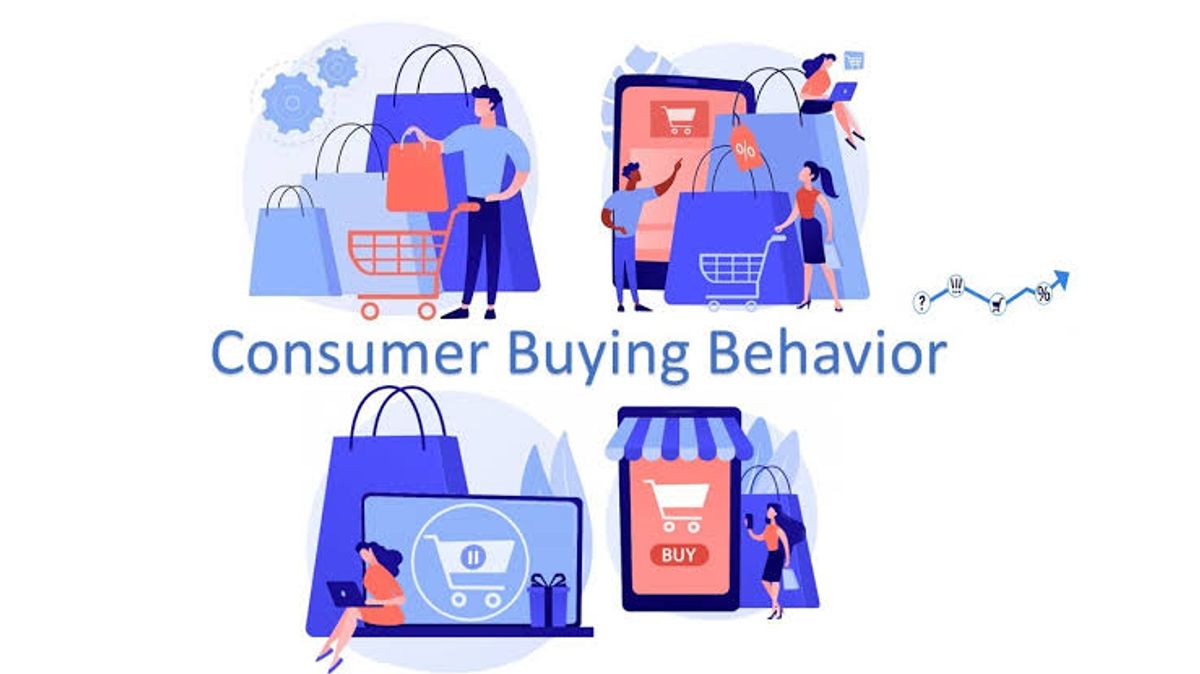
Understand customer buying behavior in the digital age and discover proven strategies to align your marketing with how modern consumers think, search, and buy.
Understanding customer buying behavior is no longer a luxury reserved for large corporations with big research budgets. It is a practical necessity for every business that wants to attract the right customers, communicate the right message, and consistently close more sales.
The way people discover, evaluate, and purchase products has changed dramatically over the past decade, and businesses that align their marketing with how customers actually behave online are the ones growing fastest. Ignoring these patterns means spending time and money on strategies that simply do not connect with today's buyers.
How the Digital Age Has Transformed the Buying Journey
Customers today go through a far more complex decision-making process than previous generations did. Before making a purchase, most buyers conduct multiple searches, read reviews, compare prices across several platforms, and seek recommendations from people they trust. According to Think with Google's consumer insights research, the modern buying journey involves numerous digital touchpoints before a customer ever reaches a checkout page.
This means a single advertisement or social media post rarely closes a sale on its own. Building awareness, nurturing trust, and staying visible across multiple channels are what move a prospect from a curious browser to a confident buyer.
The shift toward digital-first behavior has also significantly compressed decision timelines. Customers who once spent days deliberating a purchase now make decisions within hours, armed with more information than ever before. McKinsey's research on consumer decision journeys shows that the consideration phase, where buyers evaluate their options, is where most purchase decisions are actually won or lost.
Businesses that show up consistently and credibly during this phase with helpful content, strong reviews, and clear product information have a decisive advantage over those that only push promotional messaging.
Key Factors That Influence Customer Buying Decisions
Social Proof and Peer Validation
Nothing influences a buying decision more powerfully than knowing that other people have made the same choice and been satisfied with it. BrightLocal's consumer review research confirms that the overwhelming majority of online shoppers read reviews before making a purchase, and most trust them as much as a personal recommendation.
Displaying genuine customer reviews, star ratings, and user-generated content at every stage of your customer's digital journey reduces hesitation and builds the kind of confidence that converts browsers into buyers without requiring additional persuasion.
Price Transparency and Perceived Value
Modern customers are exceptionally price-aware. They compare options across multiple platforms before committing, and they are quick to abandon a purchase when they encounter unexpected costs at checkout. Baymard Institute's checkout research identifies unexpected extra costs as the single biggest driver of cart abandonment in e-commerce globally.
Being transparent about pricing, shipping costs, and any applicable fees from the very first interaction builds trust and keeps customers moving through your funnel without unpleasant surprises that send them straight to a competitor.
Mobile Experience and Convenience
The majority of buying journeys now begin on a smartphone, and any friction in the mobile experience creates an immediate drop-off in engagement. Google's mobile commerce research highlights that speed, simplicity, and intuitive navigation are the defining factors in whether a mobile visitor stays long enough to buy.
If your website loads slowly, your product pages are hard to navigate on a small screen, or your checkout process requires too many steps, you are losing customers at the exact moment their buying intent is highest.
Applying Consumer Insights to Your Marketing Strategy
Staying current with market trends in consumer behavior gives businesses a meaningful edge in crafting campaigns that resonate and convert. Here are practical strategies to align your marketing with how your customers actually behave:
- Map your customer's full buying journey from the first search to the final purchase, and identify every touchpoint where your brand can show up with relevant, helpful content that progressively builds trust.
- Use Google Analytics 4 to track how visitors move through your website, where they drop off, and which pages drive the most conversions, then optimize accordingly.
- Invest in content that addresses your customers' questions at every stage of their decision-making, from awareness articles that introduce solutions to detailed comparison content that helps them choose with confidence.
- Make your pricing, shipping terms, and return policy visible and easy to find before customers reach checkout to eliminate the friction that causes last-minute abandonment.
- Build a consistent review collection process that generates a steady flow of fresh, authentic feedback across your Google Business Profile and website product pages.
- Explore deeper consumer insights and business growth strategies at ThisIsBusiness360, where African business owners access expert resources across marketing, sales, and digital strategy.
Frequently Asked Questions
What is customer buying behavior and why does it matter? Customer buying behavior refers to the process and factors that influence how people decide to purchase a product or service. Understanding it matters because it allows businesses to create marketing strategies, website experiences, and product offerings that align with what customers actually want, need, and respond to at each stage of their decision-making process.
How has digital technology changed the way customers buy? Digital technology has given customers access to unlimited information, price comparisons, peer reviews, and alternative options within seconds. This has made buyers more informed, more selective, and less loyal to brands that fail to provide a consistently helpful and frictionless experience.
How can small businesses practically use consumer behavior insights? Start by reviewing your website analytics through Google Analytics 4 to understand where visitors come from, what they engage with, and where they leave.
Know Your Customer, Grow Your Business
Every effective marketing decision starts with a clear understanding of the person you are trying to reach. When you know how your customers search, what reassures them, what stops them from buying, and what finally convinces them to act, you can build a marketing strategy that works with human behavior rather than against it. That alignment is what separates businesses that grow predictably from those that guess and hope.
Call +234 806 496 8725